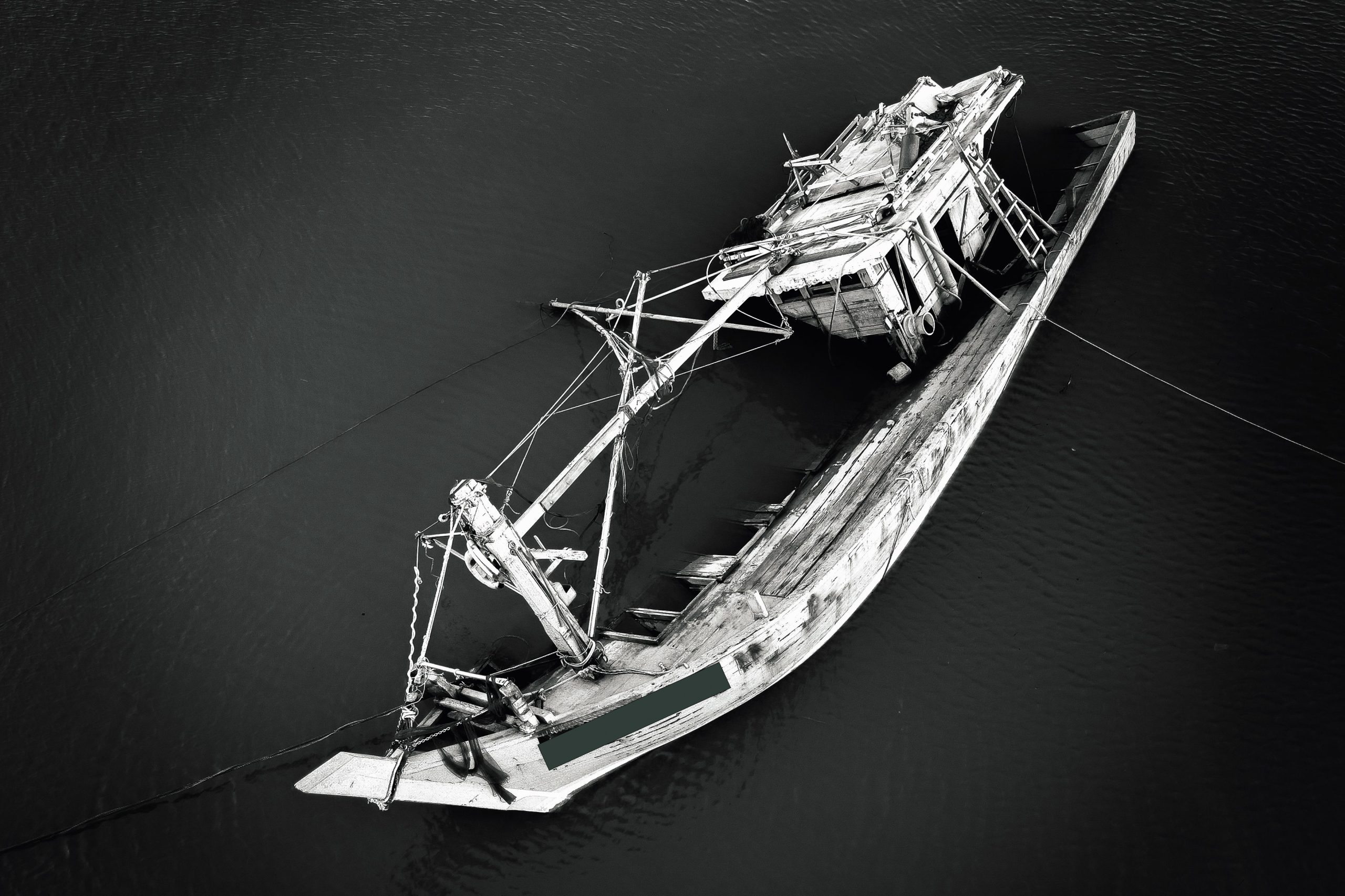
Survivors of the recent Vietnamese boat tragedy have recounted harrowing details regarding the incident, attributing the disaster to rough seas and a sudden shift in weight among passengers when the boat turned.
The ill-fated vessel, which set sail from Vietnam’s Hòn Mây Rút Ngoài island, was carrying 32 Indian passengers along with four crew members. Tragically, the boat capsized shortly after departure, leading to the death of fifteen individuals, including ten from Tamil Nadu, three from Andhra Pradesh, and two from Kerala. The bodies of the deceased are anticipated to arrive back in India on Monday.
Survivor Accounts
One of the survivors, S. Nirmalkumar from Palani, shared his experience with The Hindu. He vividly described the moments leading up to the capsizing, stating, “It was around 12 noon. Lunch had been arranged on a nearby island. Everyone on the boat was wearing a life jacket.”
Nirmalkumar further explained, “Since the sea was rough, the boat had been rocking ever since it departed. Although there were only 36 people on board, it felt overloaded. At one point, the operator made a sharp turn, causing the boat to tilt. This shift caused the weight to move entirely to one side, leading to a loss of balance. Within three minutes of leaving, and just 300 meters from the shore, the boat capsized.”
He added, “The operator and guide jumped into the water as the boat began to tilt. Realizing the danger, I jumped in too, along with many others seated at the front. Unfortunately, those at the back couldn’t escape and were trapped inside when the boat flipped over.”
Calls for Better Medical Response
Ramasubbu, another survivor aged 51, revealed that more lives could have potentially been saved with timely medical assistance at the accident scene. “When the speeding boat turned, people on one side fell onto the other. This uneven weight led to the capsizing. After seeing others jump, I leaped into the water as well. Those who were rescued from under the boat were still alive when pulled out,” he recounted.
However, Ramasubbu stressed a critical issue: “There were not enough doctors on the shore; only one or two were present. Additionally, there were just one or two oxygen cylinders available. By the time some of the critically injured were taken to the hospital, many had already passed away.”
This tragic incident highlights not only the need for improved safety measures while boating but also the importance of adequate medical response in emergencies. As investigations continue, the focus remains on how to prevent such disasters in the future.