Franz Kafka’s novella, The Metamorphosis, presents the unsettling transformation of an ordinary man into a giant insect, symbolizing alienation and the dehumanizing pressures of modern life. Over a century later, a similarly disturbing symbol has emerged in India with the formation of the Cockroach Janta Party (CJP). This movement expresses the disillusionment of a generation uncertain whether their years of education and relentless effort in a competitive environment will yield stable job opportunities.
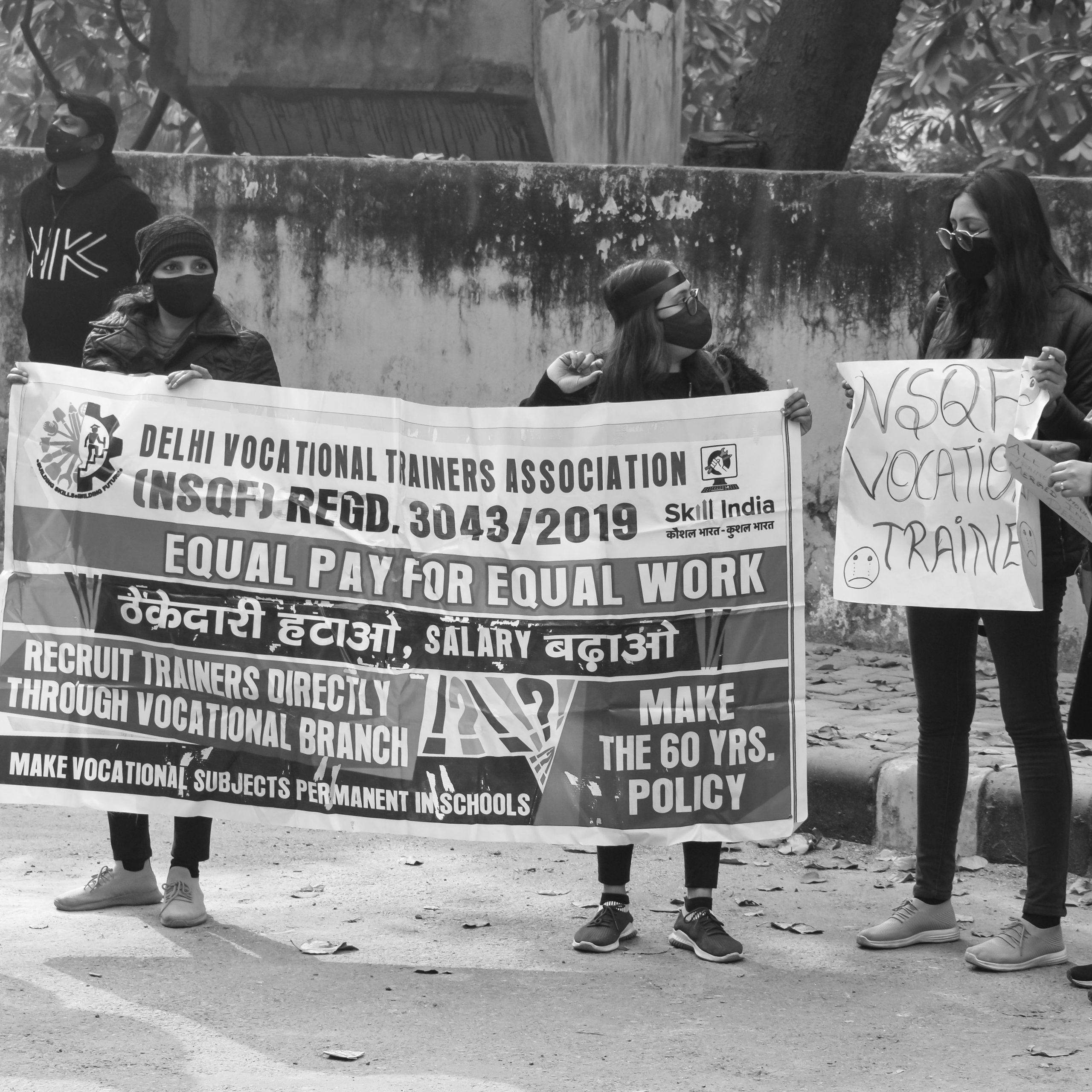
What began as a satirical commentary on joblessness quickly morphed into one of India’s most significant youth-led movements. Identifying as “the voice of the lazy and unemployed,” the CJP gained prominence through social media memes mocking issues such as job scarcity, exam paper leaks, inflation, and perceived government indifference, eventually leading to organized street protests.
The Silent Crisis of Employment
This protest resonates with a generation already grappling with dwindling job prospects and soaring educational costs. It raises a fundamental question: what happens when an economy generates millions of graduates annually yet fails to produce enough quality jobs?
Veteran economist Arun Kumar, a retired professor at JNU, remarked, “This unemployment crisis has created a huge gap between expectations and reality.”
Kumar elaborated, noting that young people earn degrees in anticipation of well-paying jobs, yet when these jobs do not materialize, they often find themselves trapped in a cycle of repeatedly preparing for competitive exams. Many sit for these tests four to six times, encouraged by parents who value the stability of organized sector jobs.
However, the growing privatization of education has intensified competition, creating an environment ripe for unethical practices, such as paper leaks. Institutions promote high success rates, driving students toward dubious methods to gain an edge. Kumar connects these developments to the broader issue of unemployment and the lack of quality jobs within the organized sector.
The Growing Disparity in Employment
Historically, India has invested heavily in expanding access to higher education. With an exponential rise in universities and enrollment, millions of families view education as the pathway to upward mobility. According to the State of Working India 2026 report by Azim Premji University, the number of young graduates has surged from approximately 5 million in 1983 to around 63 million in 2023, an increase of nearly 13 times.
Yet, this rapid escalation in the number of graduates has not translated into corresponding employment opportunities. Reports estimate that graduate unemployment among Indians below 25 is now nearing 40%. In fact, graduates now make up nearly two-thirds of the unemployed population in the country, with the number of unemployed graduates skyrocketing from less than one million in 1983 to about 11 million in 2023.
The mismatch between the output of graduates and available jobs has widened significantly since the mid-2000s. The expansion of higher education has far outstripped the growth of quality employment, leading to a reality where obtaining a college degree no longer guarantees job security.
Unemployment Rates on the Rise
Data from the government’s Periodic Labour Force Survey (PLFS) indicates that unemployment among the youth has risen to 16.2%, the highest recorded since monthly tracking began. The youth unemployment rate has climbed from 13.8% in April 2025. While seasonal factors and academic cycles might cause fluctuations, the broader trend shows increasing instability in the job market across all demographics.
Simultaneously, the Labour Force Participation Rate (LFPR) among young people has dropped from 42.7% to 40.3%, signifying that fewer young individuals are actively seeking employment. Typically, a decline in participation might lead to reduced unemployment rates, but instead, joblessness continues to rise, indicating that the economy is incapable of generating sufficient opportunities.
The Structural Challenges of Employment
Analysis of employment trends reveals that educational attainment alone does not ensure quality jobs. While many graduates find work, often it does not align with their qualifications. Kumar emphasizes the stark divide between the organized and unorganized employment sectors, with approximately 94% of the workforce employed in the unorganized sector, which offers significantly lower wages and job security compared to its organized counterpart.
For instance, a courier might earn around Rs 10,000-12,000 a month, while a postman can earn approximately Rs 70,000. The disparity drives competition for organized sector jobs, leading to heightened pressure on job seekers. According to PLFS data, among every 100 young graduates, only 50 are employed. 15 are still searching for jobs, while 35 have exited the labor force altogether.
Expectations Versus Opportunities
Many graduates find themselves in jobs that offer little financial stability. Of those employed, only 26% hold regular salaried positions, and a mere 4% have jobs that come with proper contracts and benefits. The rest are engaged in self-employment, unpaid labor, or casual jobs that barely support them.
The narrative surrounding education and employment has shifted dramatically; merely obtaining a degree is no longer correlated with attaining a secure job. Families are spending increasing amounts on private coaching for entrance exams, with students now allocating nearly 25% of their education budgets on this, a rise from about 18% in 2018. The competition for spots in prestigious colleges has transformed education into a significant financial investment.
The Impact of Economic Growth and Global Factors
India’s youth challenge is exacerbated by technological changes and globalization. For instance, automation may displace millions of jobs in management and coding. Meanwhile, overseas employment opportunities have dwindled due to stricter immigration policies in major countries.
Despite possessing a youthful demographic and a growing economy, the structural gaps in job quality remain. The Reserve Bank of India’s KLEMS database reported that the economy generated 4.7 crore jobs in 2023-24, but this number alone does not convey the reality faced by many young workers. Employment labels can obscure the true quality of work being created.
Historically, India’s informal sector has offered a safety net for underemployed individuals. Yet, recent data signals a decline in job generation in this sector as well. The Annual Survey of Unincorporated Sector Enterprises (ASUSE) revealed that only 74.5 lakhs jobs were created in 2025, sharply lower than the previous year.
Searching for Stability in Government Employment
The demand for government jobs has intensified, as they routinely offer secure benefits that the private sector often lacks. Government roles remain desirable due to their consistent salaries and benefits that provide a safety net for families. The desperation for stable employment is highlighted when highly qualified individuals apply for low-level positions.
Kumar pointed out, “The real issue is the lack of decent employment opportunities. In Uttar Pradesh, we saw over two lakh applicants for peon positions, many of whom held advanced degrees like PhDs and MTechs.”
Symbolizing Frustration and the Way Forward
The NEET-UG 2026 paper leak emerged as a focal point for discontent, amplifying issues pervasive in India’s educational system. The movement around the Cockroach Janta Party has served as a rallying cry for a generation disappointed by unfulfilled promises. Protests expanded from specific exam grievances to a wider discourse on education, employment, and the financial sacrifices made by families.
The cockroach has become a symbol of resilience and survival, aptly reflecting the sentiments of many youth who feel marginalized despite their academic achievements. The protests represent a growing acknowledgment of the disconnect between educational investments and employment realities.
As India continues to expand its educational landscape and economic potential, bridging the gap between aspirations and opportunities must be prioritized. Without addressing these critical issues, the frustration seen in current protests may resonate long into the future.