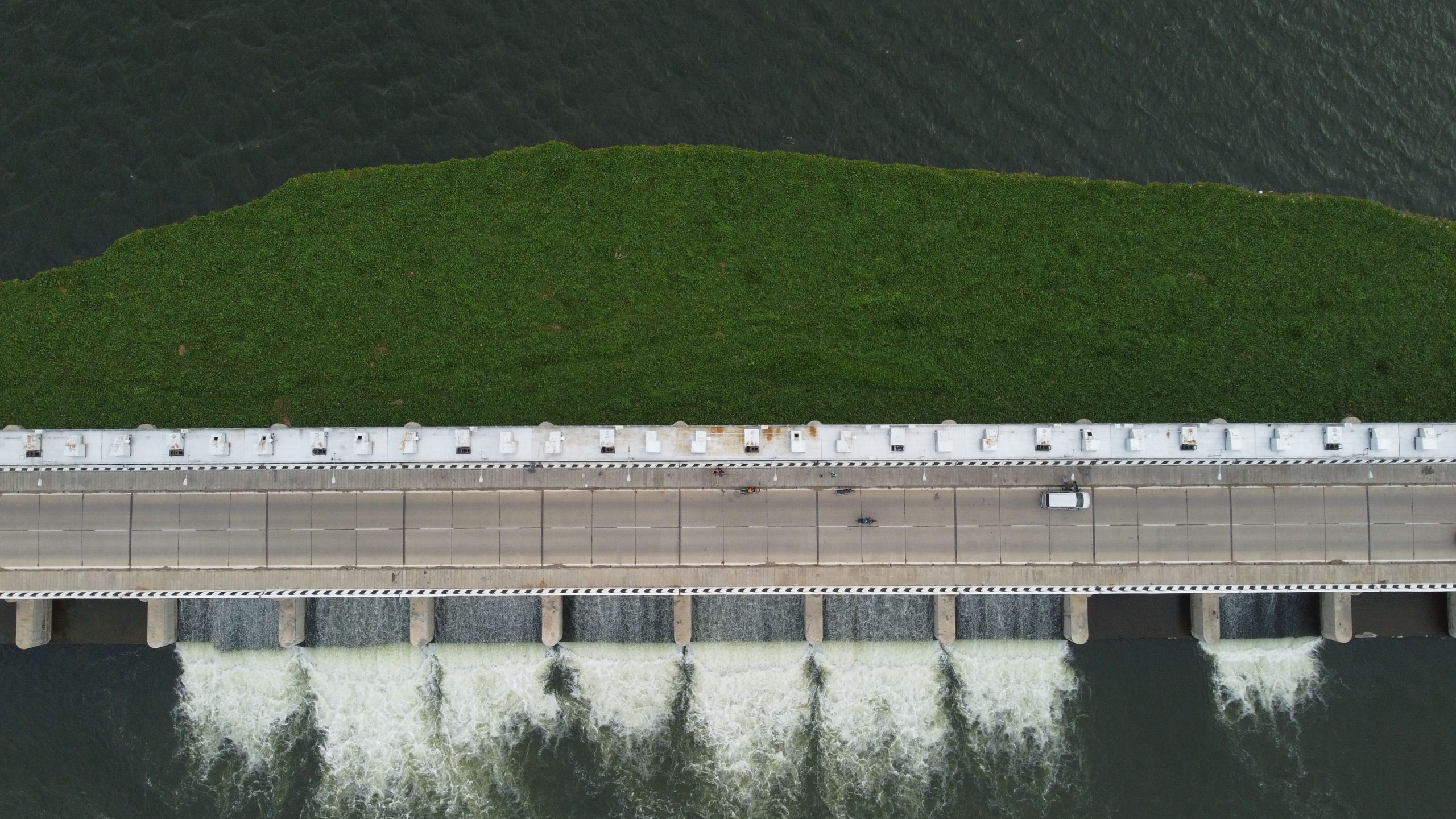
The ongoing controversy surrounding the Mekedatu dam has intensified political tensions in Tamil Nadu, with both the ruling and opposition parties engaging in a fierce dispute instead of uniting against Karnataka’s proposed project on the Cauvery River. This issue has escalated further, emerging as a contentious focal point following various legal and political maneuvers, which have highlighted the fractures within Tamil Nadu regarding the strategy to counter Karnataka’s initiatives.
Electricity Minister R. Nirmalkumar has publicly criticized the DMK, suggesting that they are aligning with Karnataka Chief Minister DK Shivakumar and undermining the position of Tamil Nadu Chief Minister C. Joseph Vijay. His remarks underscore the growing rift among state leaders on how to approach this pivotal concern. Meanwhile, B. Manickam Tagore, the president of the Tamil Nadu Congress, defended the stance of Shivakumar, arguing that it is natural for the Karnataka CM to protect the interests of his state, while expressing his unwavering commitment to representing Tamil Nadu above partisan lines.
This political clash reflects broader issues regarding water disputes in the region, an area fraught with historical tensions. As the Mekedatu dam proposal threatens to exacerbate existing grievances, the potential for collaboration across party lines seems increasingly distant. The outcome of these political exchanges may significantly influence the future handling of inter-state water resource management in South India.