KULGAM: A palpable sense of panic has engulfed the region as migrant labourers in south Kashmir have halted work in response to the shocking killings of two of their colleagues. The incident, which took place mere 2 km away from their location, has left many contemplating whether to stay and earn or leave for their safety.
On Saturday around 11 am, Sunil Kumar, aged 34, along with fellow worker Renku Yadav, ventured out of brick kiln No. 515 in Hablishi village to purchase essential supplies like atta and pulses, having run out of food. However, they were quickly urged to return by the kiln owner, highlighting the fear gripping the community.
The fear stemmed from an attack on Friday evening, where terrorists fatally shot two labourers – Deepak Ratrey, 24, and Bhupendra Bhaina, 28, both hailing from Chhattisgarh – at a nearby brick kiln in Kilam. This incident has once again raised alarms about the uptick in targeted killings of non-residents in Kashmir. In 2022, similar attacks led to the deaths of at least ten migrant labourers.
Targeted Attacks on Migrants
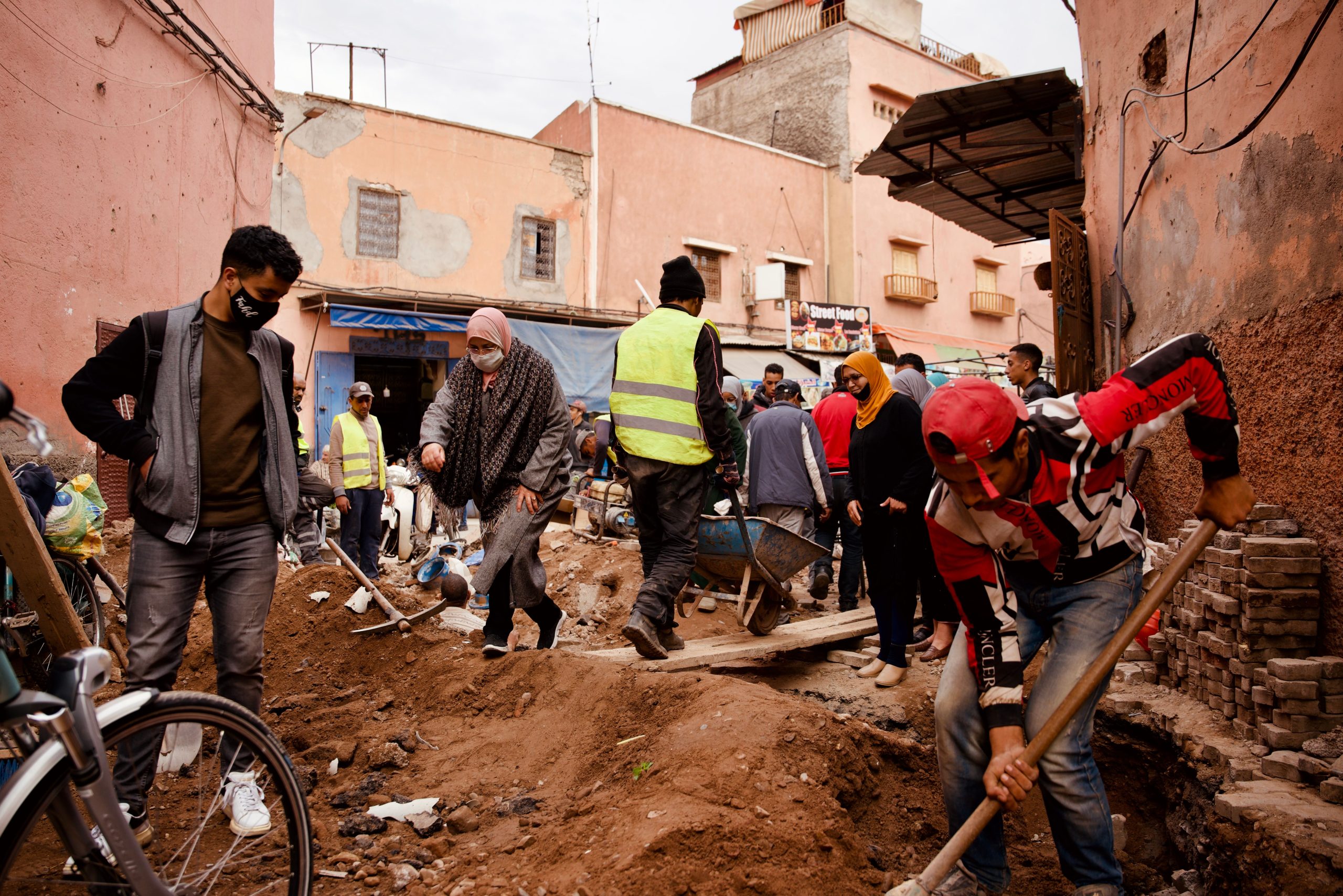
Migrant workers are often seen as “soft targets” by terrorists, especially during the months from March to November when these seasonal labourers arrive in Kashmir for various demanding jobs in construction, agriculture, and brick kilns.
Kumar resides adjacent to the kiln in a shelter pieced together from bricks without cement, a temporary abode during the brick-making season. With a decade of experience working in Jammu and Kashmir, Kumar expressed how life had become relatively peaceful in recent years. “We work during the day, cook in the evening, listen to songs, and talk to our families,” he reminisced.
Despite the dangers, Kumar noted, “We have seen such attacks in Kashmir, but what can a labourer do? We have to earn a living.” He had arrived from Lucknow on July 16 with twelve other men, each earning a monthly wage of ₹18,000.
Concerns from Brick Kiln Owners
The owners of brick kilns are wary of a repeat of previous years when similar attacks triggered mass departures of migrant workers, severely impacting businesses reliant on seasonal labour. “We came here for three months, and we don’t think the situation is so bad that we should leave immediately,” stated Kumar, trying to reassure himself and his colleagues.
Zakir Ansari, a 23-year-old from Bareilly, shared that he and nine others arrived in Kashmir in early July through a contractor. “Our families called all night worried, but we reassured them that we were safe,” he said, noting that security personnel had visited their location to confirm their safety.
Government Response and Political Reactions
In light of these tragic events, Lieutenant Governor Manoj Sinha convened a security review and directed officials to ensure the safety of migrant workers. Chief Minister Omar Abdullah condemned the killings and announced compensation of ₹10 lakh each for the victims’ families, in addition to ₹6 lakh provided by the district administration.
The political climate has also shifted following these killings. NC president Dr. Farooq Abdullah has questioned the timing of such attacks, especially when the demand for the restoration of Jammu and Kashmir’s statehood rises. This statement sparked criticism from BJP and PDP officials, with BJP’s Sunil Sharma labeling the remarks as “very strange.” In contrast, PDP functionary Iltija Mufti urged against politicizing this moment of grief.