news editor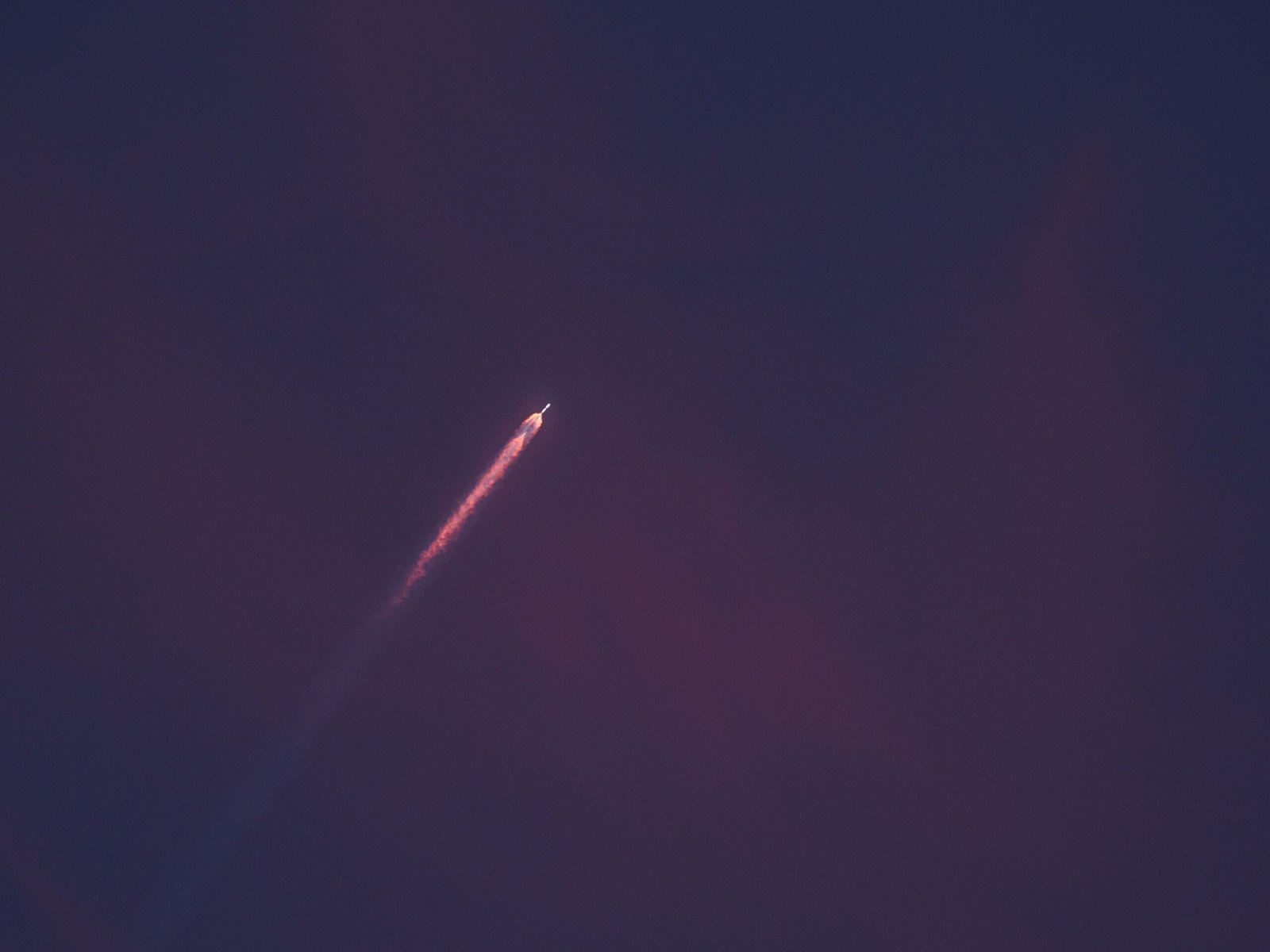
NEW DELHI: In a significant announcement, ISRO Chairman V. Narayanan disclosed on Saturday that India is gearing up for its inaugural uncrewed Gaganyaan mission. This comes at the same time as the advancement of Chandrayaan-4, aimed at lunar sample return, and Chandrayaan-5, a collaborative long-duration mission with Japan which will feature a heavier rover.
While delivering the 17th Air Chief Marshal L. M. Katre Memorial Lecture in Karnataka, Narayanan emphasized, “We are now working on the first uncrewed mission this year. Once we review the outcomes, we will revisit the plans for a crewed mission.”
He further elaborated, stating, “Gaganyaan is a technology-intensive mission. We must conduct the human-rating of the vehicle. Before sending actual crew members, we need to complete three uncrewed missions, and we are currently progressing towards the first one. Details about the specific dates will be announced shortly.”
Lunar Missions: Chandrayaan-4 and Chandrayaan-5
Regarding India’s aspirations in lunar exploration, Narayanan mentioned that Chandrayaan-4 will mark India’s first mission aimed at returning lunar samples. Additionally, Chandrayaan-5, developed in partnership with Japan, will deploy a 350-kg rover designed to operate for nearly 100 days, significantly more than the 25-kg rover of Chandrayaan-3, which had a 14-day operational lifespan.
Strengthening Indigenous Capabilities
On another front, Narayanan addressed India’s cryogenic engine program, noting that technology denial by other nations has ultimately fortified indigenous capabilities. “Today, I express my gratitude to the countries that denied us the technology. We have successfully developed three cryogenic propulsion systems,” he affirmed.
Moreover, Narayanan highlighted a recent milestone: the successful hot test of the semi-cryogenic engine power head test article (PHTA) that achieved a thrust level of 175 tonnes. “This test, conducted without the thrust chamber, utilized nearly 90% of the thrust load. It represents a significant achievement, and we are now preparing for the engine test,” he added. He mentioned that satellites are ready and that further details regarding the engine test schedule would be available soon.