News Editor
UK’s New Policy on Israeli Settlements Draws Widespread Criticism
The United Kingdom finds itself at the center of a diplomatic storm following its latest policy decision to impose trade restrictions on goods from Israeli settlements in the West Bank. This move by the UK government has sparked significant backlash from both local and international quarters, including the United States, the Israeli government, and members of the British Parliament.
In a significant shift in Britain’s foreign policy, the recently appointed Foreign Secretary Ed Miliband announced the decision, emphasizing the UK’s renewed commitment to supporting Palestinian rights and the longstanding goal of a two-state solution. Miliband articulated the government’s stance in Parliament, indicating the UK’s intention to take stronger measures against the ongoing expansion of Israeli settlements, which have been a focal point of international controversy.
The policy decision has not gone unnoticed. The US ambassador to Israel, Mike Huckabee, expressed concern that such a move could strain UK-US trade relations and accused Miliband of harboring anti-Israel sentiments. Within the UK, reactions have been mixed. While some Labour MPs view the move as a necessary step towards peace, others, alongside Conservative MPs, dismiss it as merely symbolic posturing that could provoke unforeseen consequences.
Israeli authorities and various Jewish community leaders in the UK have voiced objections, warning that the sanctions could lead to increased tensions and potential threats to the safety of Jewish communities. The US administration has also hinted that the new measures might hamper economic ties between the two longstanding allies.
Despite the uproar, the UK government remains steadfast in its approach, arguing that concrete action is crucial to preserving the viability of a sovereign Palestinian state alongside Israel. This policy decision arrives amidst a broader effort by Labour to recalibrate its foreign policy and align itself more closely with international human rights standards.
As the UK navigates this complex geopolitical landscape, it remains to be seen how this policy will unfold and what further diplomatic repercussions it may entail. The situation highlights the ongoing difficulties in balancing international diplomacy with domestic political considerations, as well as the enduring complexities of the Israeli-Palestinian conflict.
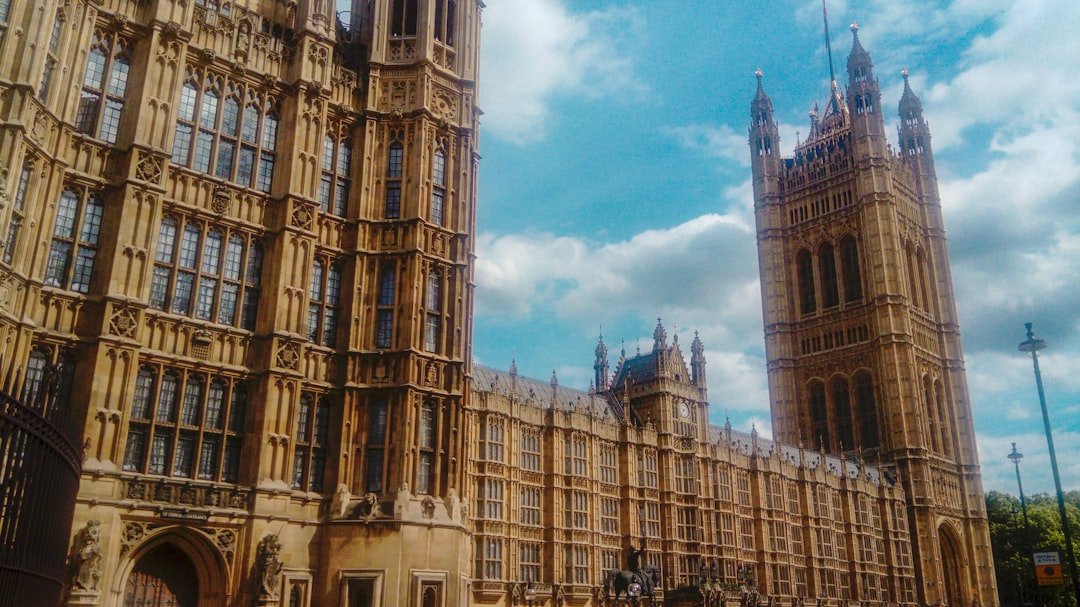
Photo by Sebastian Fränkle on Unsplash