News Editor

UK Government Prepares Energy and Fertiliser Stocks Amid West Asia Turmoil
The geopolitical tensions in West Asia have prompted the UK government to take proactive measures by securing sufficient energy and fertiliser stocks. The developments in the region threaten to push up oil and freight costs, which could exert pressure on the British currency and economic stability.
West Asia, a vital region for global energy supplies, is experiencing increased instability due to ongoing conflicts. As a result, governments worldwide, including the UK, are closely monitoring the situation to mitigate potential economic disruptions.
In response to these tensions, the UK has ensured that its reserves are adequately stocked to cushion the blow from any short-term supply chain disturbances. This preparation is particularly crucial as any disruption in oil supply from West Asia would likely escalate global energy prices.
The challenge doesn’t only lie in direct energy costs. Rising freight costs could also affect the national economy by increasing the import prices of various goods, exacerbating the current financial strain on businesses and consumers alike. Additionally, the British pound is at risk of facing downward pressure if energy prices surge worldwide, affecting the trade deficit and making foreign investments less attractive.
The government’s preparedness is aimed at stabilizing the market by ensuring no immediate shortages in energy and fertiliser, thus keeping industries functioning smoothly. However, experts warn that such stability may be temporarily maintained, as prolonged disruptions in West Asia could lead to sustained high prices and inflation.
Beyond national borders, the UK’s actions signal its readiness to remain resilient against global economic shocks. This is crucial not only for maintaining domestic economic equilibrium but also for reassuring international partners and investors of the UK’s market stability during geopolitical crises.
While the present measures provide a temporary safety net, the government continues to advocate for diplomatic solutions to defuse tensions in West Asia and avoid severe impacts on the global energy market. Close surveillance and adaptive strategies remain pivotal as the situation evolves.
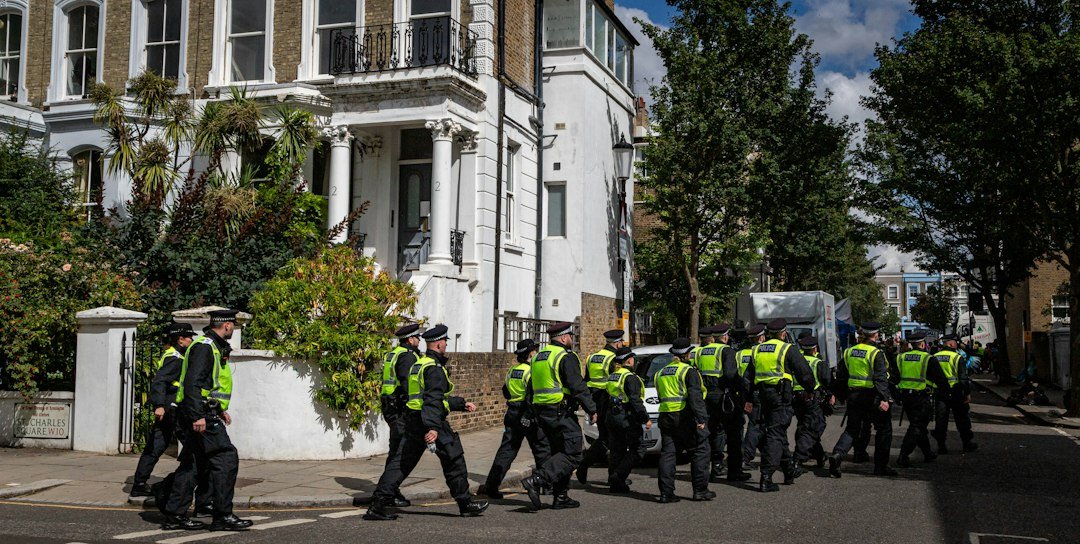
Photo by Marcin Nowak on Unsplash