News Editor

EU Demands UK Commit to University Fee Reductions for European Students
As diplomatic efforts intensify between the European Union and the United Kingdom, a significant point of contention continues to revolve around university tuition fees for European students in the UK. The EU is advocating for the UK to reinstate discounted university fees for its students, a practice that was in place before Brexit. This issue is becoming a pivotal aspect of broader negotiations slated for a high-profile summit this month.
During a recent discussion among senior EU diplomats, a number of member states expressed disappointment with any delay in addressing these educational costs. They are urging for this matter to be settled contemporaneously with upcoming agreements in food and drink, carbon markets, and youth exchange initiatives. Some EU leaders argue that without resolving the tuition fees, the progress of other valuable UK-EU trade deals should also be stalled.
Scheduled for November 20 in Brussels, the summit will see UK politician Andy Burnham engaging with EU leaders, including Ursula von der Leyen and António Costa. The aim is to solidify several significant agreements, but the unresolved debate over tuition fees casts a shadow over these prospective treaties, which hold substantial economic importance for the UK.
The EU is pushing for a reversal to conditions where EU students paid the same tuition fees as UK students rather than the much higher international rates. These international rate hikes mean considerable financial burdens for those aiming to study in the UK. Sources within the negotiation circles report that there are mixed feelings, with some EU countries from central and eastern Europe opposing any delay on this issue.
At the heart of the EU negotiations is the establishment of a new “Yes” exchange program designed to foster educational, working, and living opportunities across the Channel for young people. A core belief is that the erosion of such people-to-people links post-Brexit is a significant loss not only culturally but also diplomatically. There is a widespread consensus among EU officials that any exchange program would be of negligible value if affordable education in the UK is not part of the package.
Negotiators from the EU suggest leveraging the prospect of lucrative bilateral agreements, such as the food and drink trade deal, which the UK keenly wants implemented, to broker a satisfactory resolution on tuition fees. The economic benefits to the UK from the agreements in talk are projected to be in the billions, yet EU negotiators caution they hinge on the UK’s educational commitments.
The outcome of this tuition fee negotiation may also affect other key areas, including the UK’s potential reintegration into important cooperative markets such as European electricity and carbon trading systems. As the summit approaches, the pressure mounts on British officials to clarify their stance and enter negotiations with a more definitive approach toward educational fee adjustments.
Amidst these diplomatic complexities, British officials remain publicly non-committal, yet behind the scenes, various stakeholders underscore the need for a firm resolution that could unlock broader trade and market cooperation benefits.
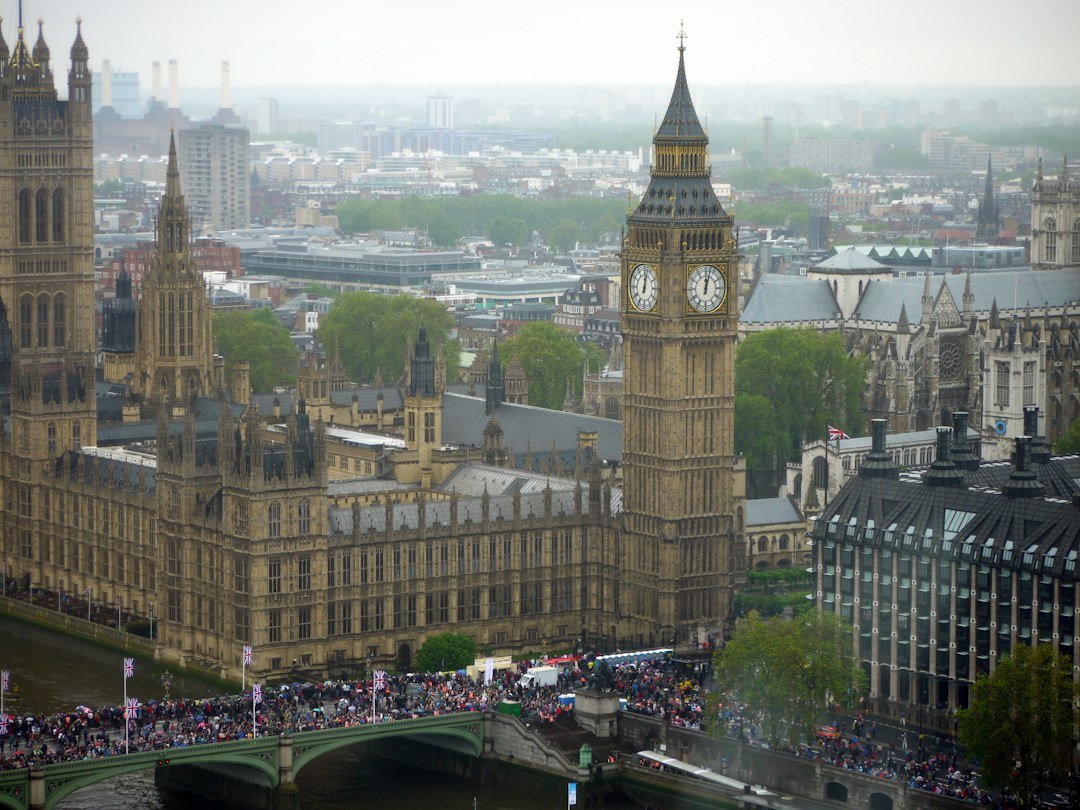
Photo by Mike Newbry on Unsplash