News Editor
Pralhad Joshi on Security Measures for CJP Protest
Union Minister Pralhad Joshi has stepped forward to justify the government’s preventive security measures prior to a scheduled protest by the Chief Justice of Pakistan (CJP) in India. According to Joshi, the government has a duty to maintain public order and cannot simply stand by during potentially disruptive events.
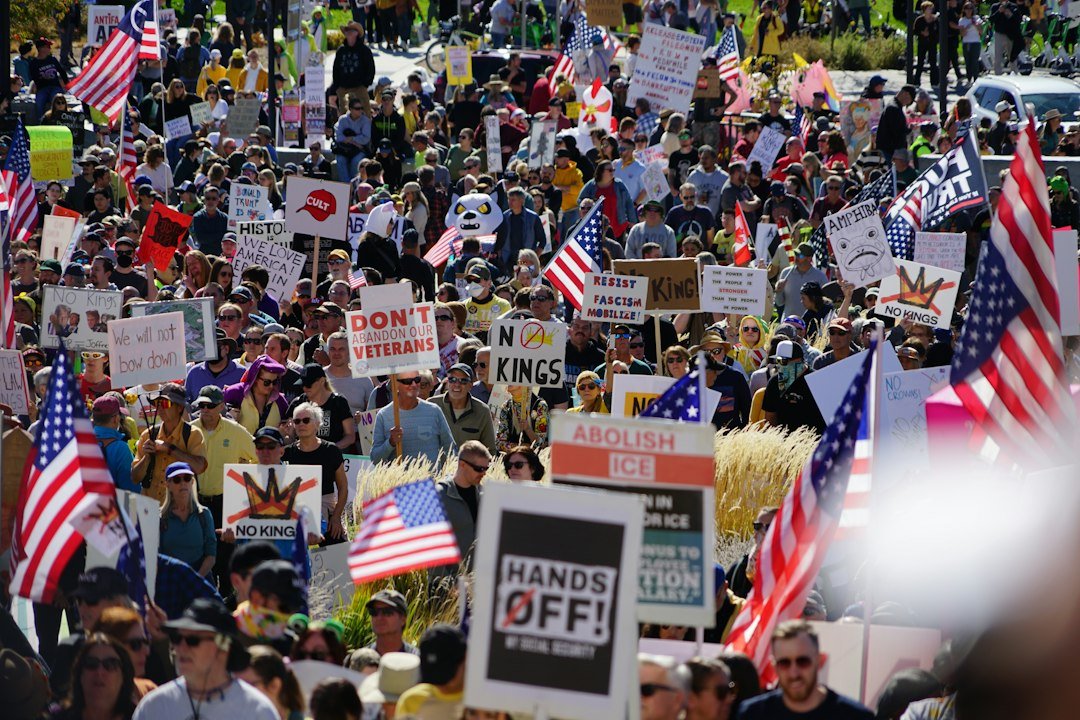
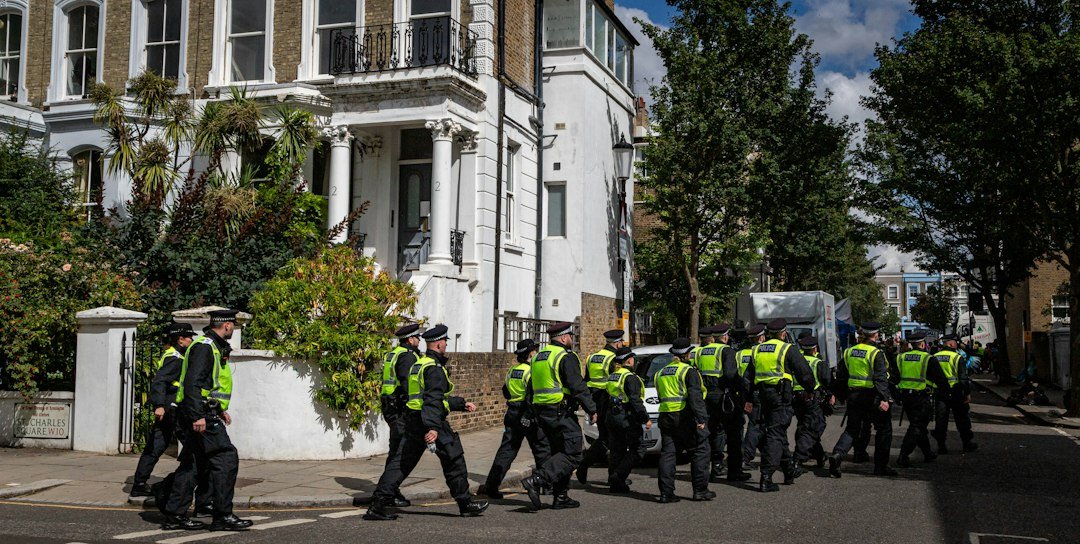
The impending demonstration, expected to garner substantial public interest, has led authorities to implement heightened security protocols. This step has been viewed by some as necessary to ensure the safety and security of citizens and public property. However, it has also faced criticism from those who believe that such measures could infringe on democratic rights and stifle peaceful protest.
Balancing Security and Democratic Rights
Joshi argued that the administration’s proactive measures are in line with its responsibilities to safeguard both the public and governmental infrastructure. He emphasized that the government must strike a delicate balance between upholding law and ensuring that citizens can express their views peacefully and safely.
Concerns about potential violence or disruption have prompted these security strategies. “The government cannot be a bystander,” Joshi stated, highlighting that overlooking possible risks is not an option for the administration.
Response From Opposition and Public
The response to the security measures has been mixed. Opposition leaders have voiced concerns that the steps taken might intimidate protesters or dissuade public involvement. They argue for the necessity of upholding democratic traditions by allowing individuals to express dissent without fear.
Meanwhile, a segment of the public supports the government’s approach, recognizing the importance of averting any scenarios that could lead to chaos or harm. The opposing viewpoints underline the ongoing debate in India about the appropriate extent of security measures in response to public gatherings.
A Proactive Approach
Joshi’s statements reflect a focus on prevention, stressing that the preparation is not an attempt to suppress dissent but to manage safety effectively. This approach aims to prevent the escalation of any situation into violence, allowing peaceful expression to occur within a secure environment.
As the protest date approaches, all eyes remain on how these measures will unfold and whether they will withstand the dual scrutiny of ensuring safety and respecting civil liberties. The government’s execution of these strategies will largely determine public perception of its ability to manage civic peace while honoring democratic principles.
Photo by Amaan Abid on Unsplash