News Editor
Guido Crosetto, Italy’s Defence Minister, has expressed significant dissent against the idea of the United States limiting satellite and intelligence aid to Ukraine. In a recent interview, Crosetto described such a directive as “a complete mistake” that could hinder efforts to bring about peace in Eastern Europe.
Criticism of US Policies
The Italian minister’s remarks are part of a broader criticism from Italian leadership regarding how the US is handling its support for Ukraine amidst ongoing tensions with Russia. These concerns were amplified following US President Donald Trump’s apparent reluctance to continue providing certain technological and early-warning assistance, which have been crucial for Ukraine’s defense capabilities.
Concerns Over Continued Conflict
Crosetto warned that reducing support might embolden Russia’s President Vladimir Putin, potentially prolonging the conflict rather than facilitating diplomatic resolutions. He highlighted how perceived weakness from Ukraine, exacerbated by a lack of US support, could lead to Putin feeling assured of military success.
Italy’s Stance on the Ukraine Conflict
Italy, under the leadership of Prime Minister Giorgia Meloni, has consistently supported Ukraine since the onset of the conflict with Russia. Meloni notably critiqued Trump’s engagement in energy deals with Russia, describing them as dangerous and counterproductive to peace efforts.
Crosetto reinforced Italy’s commitment to Ukrainian support, stating that military and humanitarian aid from Italy would persist as long as Meloni’s government remains in power. However, he acknowledged the challenges faced domestically, as public opinion in Italy shows waning support for continued military aid, and future legislative approvals for such assistance could face hurdles.
Domestic Challenges and Political Dynamics
As elections near, with polls suggesting a potential leadership shift toward the far-right Futuro Nazionale, the Italian government might confront increased difficulty in sustaining its support strategy for Ukraine. The party’s leader, Roberto Vannacci, who holds more sympathetic views towards Russia, reflects a growing sentiment within Italy questioning the utility and wisdom of continued support for Ukraine.
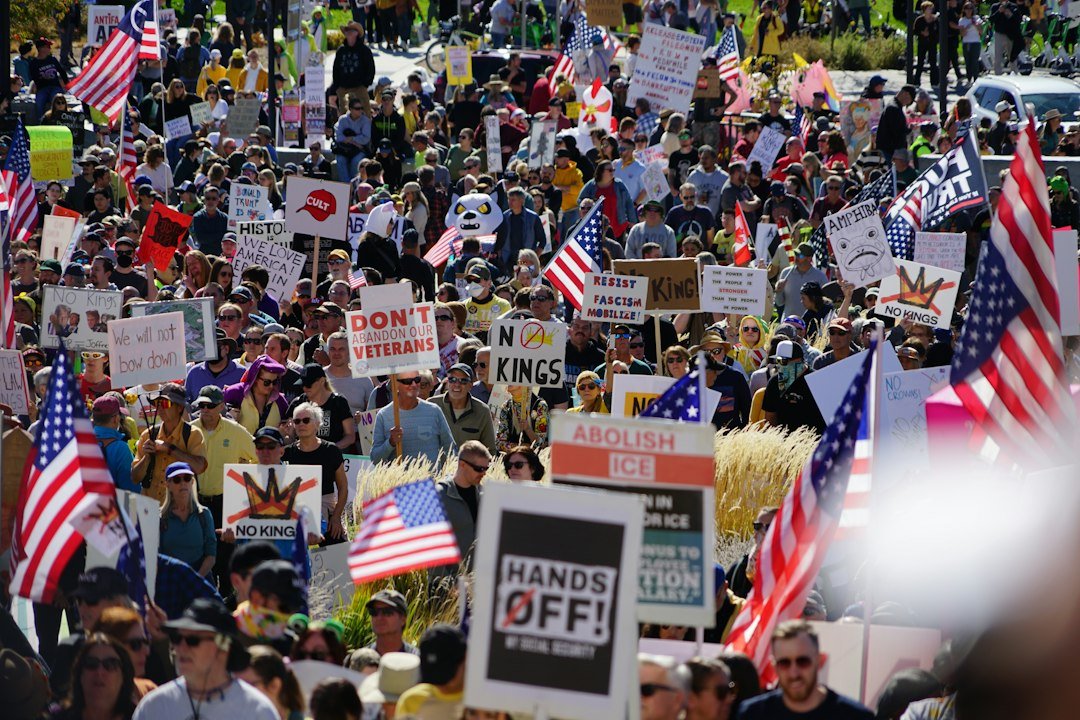
Amidst these discussions, Italy is grappling with economic pressures, highlighted by recent protests against high energy costs and resource allocation priorities. Public demonstrations in Rome and southern Italy underscore discontent, with citizens demanding a redirection of resources from military spending to essential services like education.
Despite these challenges, the Italian government remains resolute in its wider European commitment, aiming to balance domestic concerns while maintaining solidarity with Ukraine against Russian aggression.