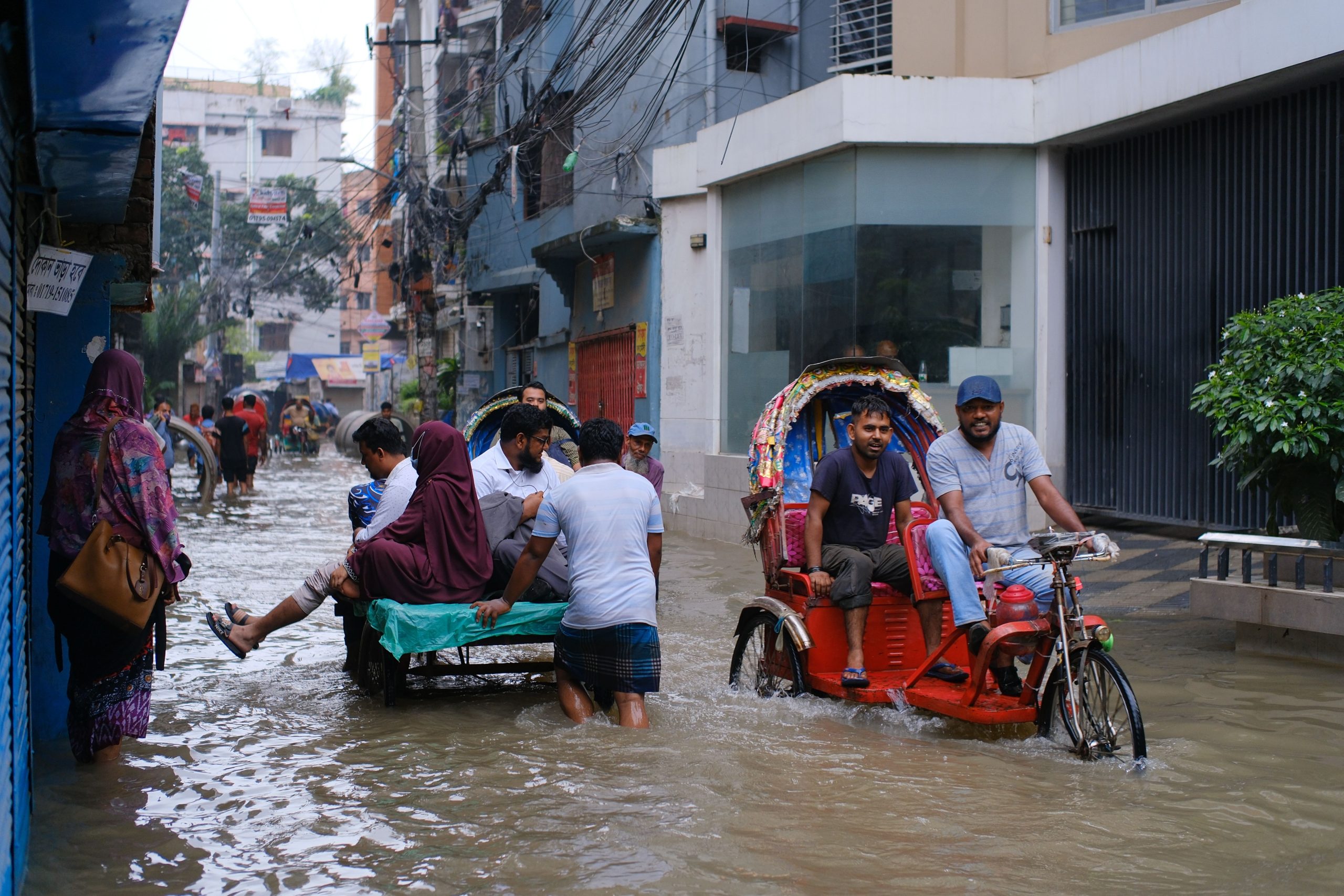
Assam continues to endure the ramifications of devastating floods, with the death toll currently standing at 82 and approximately 1.78 lakh people affected across seven districts. Though floodwaters have begun to recede in certain areas, the damage is profound, with thousands displaced and agricultural lands inundated.
The Assam State Disaster Management Authority (ASDMA) reported a slight improvement in the flood situation, noting a decline in the number of affected individuals from over 1.92 lakh to 1.78 lakh. However, 349 villages across the districts of Golaghat, Sivasagar, Charaideo, Jorhat, Bajali, Dhemaji, and Sonitpur remain impacted.
Severity of Impact Across Regions
The district of Charaideo has been particularly hard-hit, with over 75,000 individuals affected, trailed closely by Sivasagar, which has more than 58,000 individuals impacted. Furthermore, nearly 15,060 hectares of agricultural land are still submerged, and reports indicate substantial losses of livestock.
Currently, 44 relief camps are providing shelter to around 15,000 displaced people, while 17 relief distribution centres extend assistance to more than 5,500 residents. The Assam government has urged district administrations to hasten the identification of affected families for initiating financial aid starting August 3.
Community Efforts and Government Initiatives
One notable rescue story surfaced from the Nepali Khuti area in Sivasagar, where locals utilized six homemade boats to rescue over 1,000 individuals from five villages after floodwaters surged unexpectedly on July 19. Residents reported families being stranded on rooftops and trees as water levels rose rapidly.
“Volunteers tirelessly worked through the night to evacuate those stranded, often with little food or water available,”
remarked a local resident.
Chief Minister Himanta Biswa Sarma embarked on a tour of the most adversely affected districts on Sunday to oversee relief operations and prepare for a comprehensive damage assessment set to begin on August 9. The government has also mandated that officials guarantee a steady supply of relief kits, assess damages to educational institutions before the schools reopen on August 10, and devise restoration plans for damaged Namghars (Vaishnavite prayer centers).
Long-term Solutions and Ongoing Support
During his visit to erosion-affected areas in Dibrugarh, the chief minister announced plans to consult experts from IIT-Guwahati to devise a long-term strategy for addressing the erosion issues along the Brahmaputra River. Sarma described riverbank erosion as one of Assam’s significant geographical challenges, claiming that the state loses valuable land annually. The proposed IIT initiative will also complement a government-funded Rs 90 crore erosion mitigation project.
Meanwhile, Agriculture Minister Pijush Hazarika visited Charaideo to evaluate post-flood rehabilitation efforts, launching community paddy nurseries and seedling distribution programs aimed at helping flood-impacted farmers resume cultivation without delay during the current agricultural season.
Community and Government Contributions
Support for communities affected by the floods is growing throughout Assam. Actor Randeep Hooda participated in a relief drive organized by Global Sikhs in Sivasagar, distributing essential supplies and serving meals to affected families. He cautioned that prolonged waterlogging could lead to disease outbreaks and encouraged contributions to relief efforts nationwide.
The Central Government has approved Rs 379.35 crore through the State Disaster Response Fund (SDRF) to assist in Assam’s flood response. Sarma expressed gratitude to Prime Minister Narendra Modi and Union Home Minister Amit Shah for their support and the deployment of Inter-Ministerial Central Teams to aid relief and rehabilitation efforts.
Although water levels have started to decline in some parts of the state, the crisis persists. Thousands remain displaced, farmland is still submerged, and many families face the daunting task of rebuilding homes and livelihoods. Moving forward, the government is concentrating on immediate relief, compensation, agricultural recovery, and developing long-term strategies to tackle the recurring issues of flooding and erosion along the Brahmaputra.