Defence Minister Rajnath Singh stated on Monday, July 13, 2026, that India is establishing new standards in medical research by creating indigenous solutions for global health challenges, particularly through advancements in gene therapy and nuclear medicine.
Speaking at the 22nd convocation ceremony of King George’s Medical University in Lucknow, Mr. Singh emphasized that India’s healthcare system is becoming increasingly self-reliant. “Today, India’s health system has emerged as more self-reliant, accessible, affordable, modern and people-centric compared to earlier times,” he remarked. He highlighted the country’s progress in developing innate solutions for global health issues.
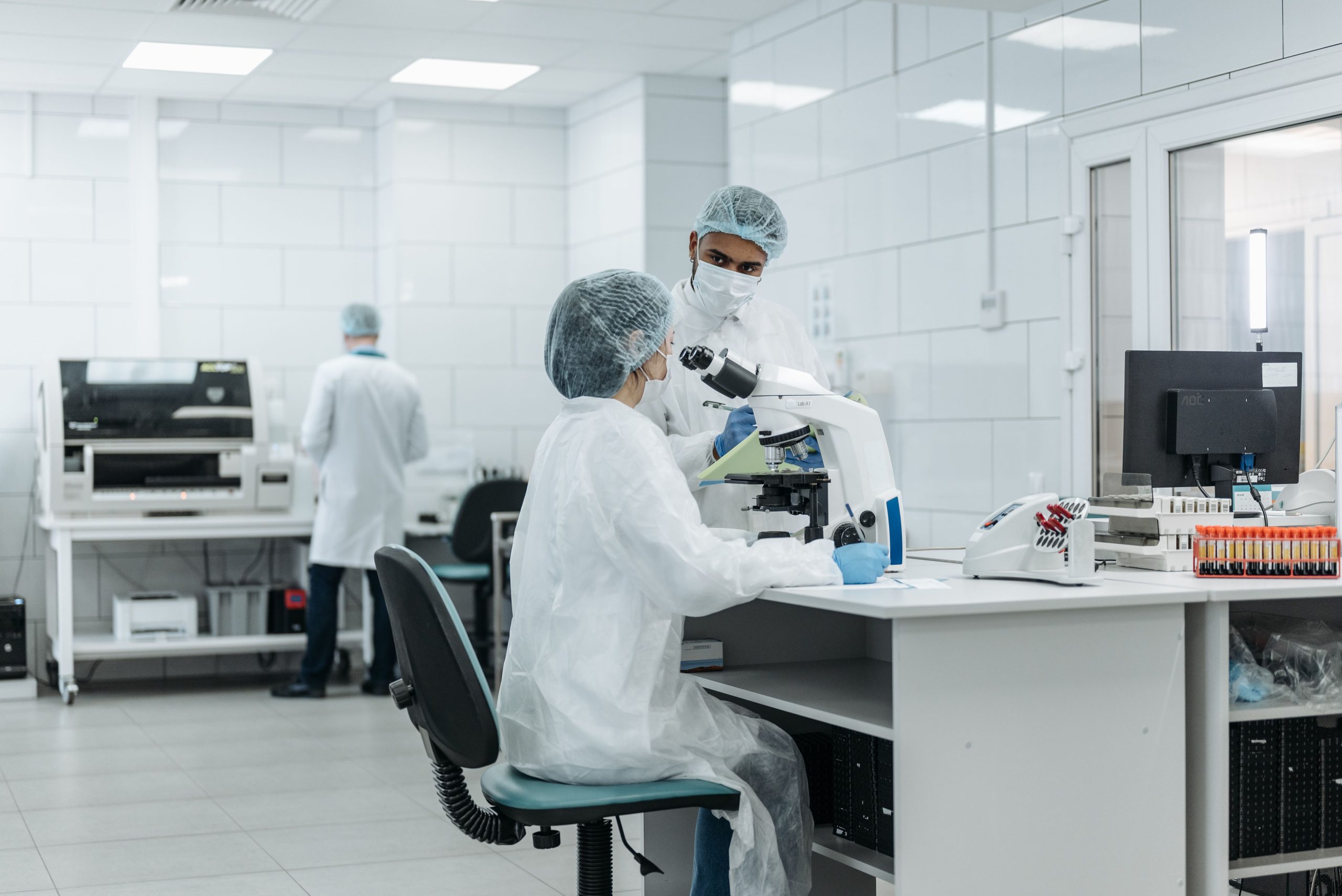
The Minister noted that Indian scientists have successfully demonstrated an indigenous gene therapy for treating haemophilia, and that a team in Pune has made significant strides with a state-of-the-art nanomedicine aimed at combating breast cancer. He mentioned that the ‘Production Linked Incentive’ scheme has further accelerated the indigenous manufacturing of medical equipment.
In 2024, India introduced Nafithromycin, touted as the first indigenous macrolide antibiotic, which is expected to be highly effective in treating Community-Acquired Bacterial Pneumonia. Additionally, he revealed that in 2023, India launched its first indigenous MRI machine, characterized as affordable, lightweight, ultrafast, and high-field, marking a substantial move towards self-reliance in the healthcare arena.
Mr. Singh also pointed out that more than 19,000 Jan Aushadhi Kendras are making high-quality medicines available to the public at very affordable prices. He encouraged medical professionals to prioritize their health, especially given the stressful work environment they operate in, which could affect their well-being.
Furthermore, he commended Chief Minister Yogi Adityanath for the notable enhancements in healthcare services in Uttar Pradesh over the past nine years. He highlighted that prior to 2017, there were only 17 medical colleges in the State, whereas today, there are 81 operational medical colleges, along with two functional AIIMS facilities. This signifies that Uttar Pradesh has surpassed the ‘One District-One Medical College’ goal.
He concluded by stating, “The quality of healthcare services can only improve if there is an adequate number of doctors and specialists available. With this vision in mind, our government has undertaken an unprecedented expansion of medical education.”