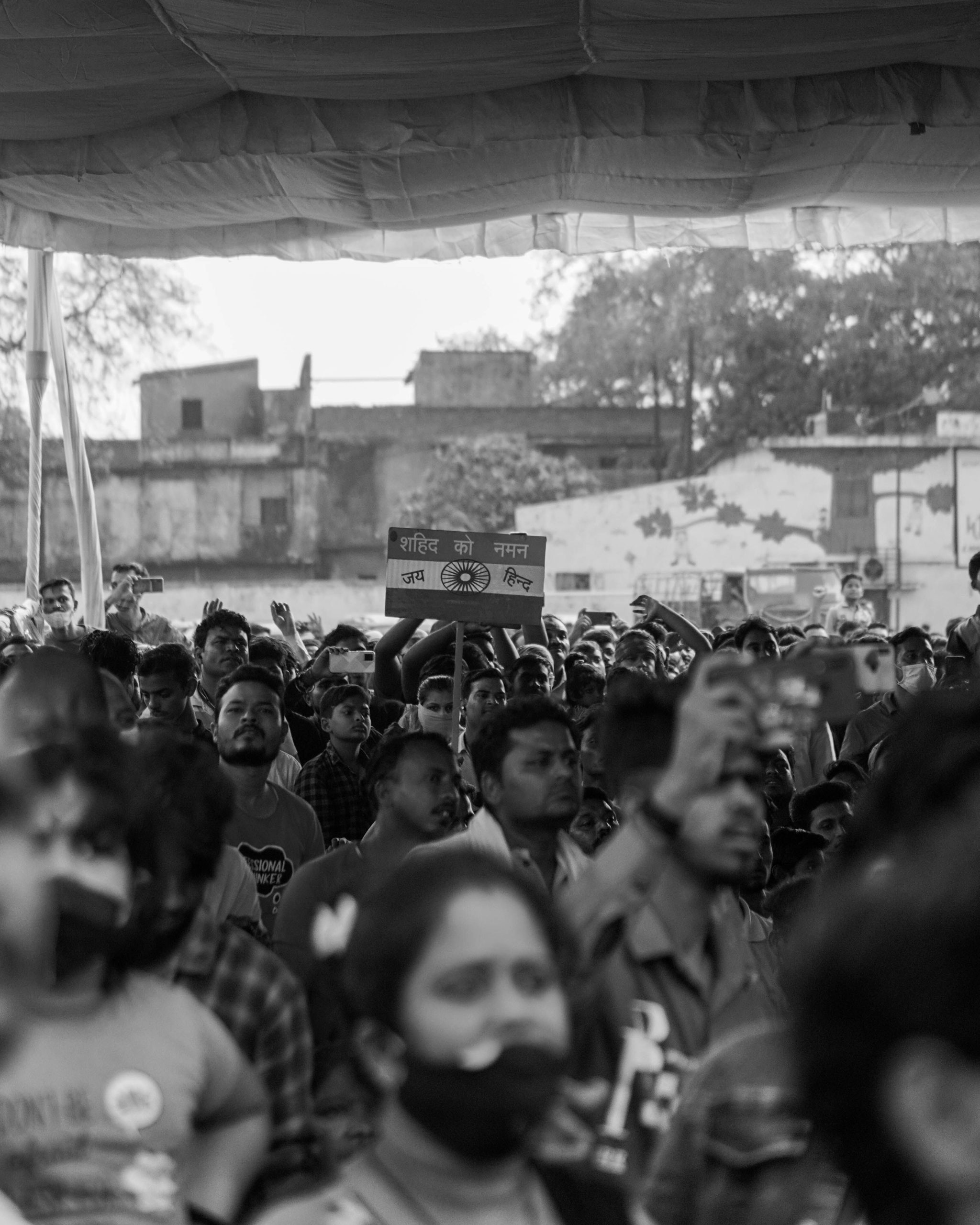
In a notable turn of events, the Cockroach Janta Party (CJP) has rapidly emerged as a significant force in Indian politics, primarily driven by viral outrage and the fervent energies of three distinct individuals. Their combined skills and political experiences have propelled a satirical online movement into a nationwide protest that culminated in the resignation of Union Education Minister Dharmendra Pradhan.
While the transformation of satire into widespread activism offers a straightforward explanation for this burgeoning student movement, it doesn’t sufficiently capture the complex dynamics at play. On May 15, 2026, Chief Justice of India Surya Kant’s controversial comments comparing unemployed youth engaging in activism to “cockroaches” sparked an immediate backlash. Seizing this moment, Abhijeet Dipke, an Indian student based in Boston, initiated a satirical online platform for fellow “cockroaches,” turning an insult into a rallying cry for disenchanted youth. Remarkably, within the first day, 50,000 people joined the cause, and this figure grew exponentially to over one million in just five days, with the movement’s Instagram account amassing more than 22 million followers.
The Trio Behind the Movement
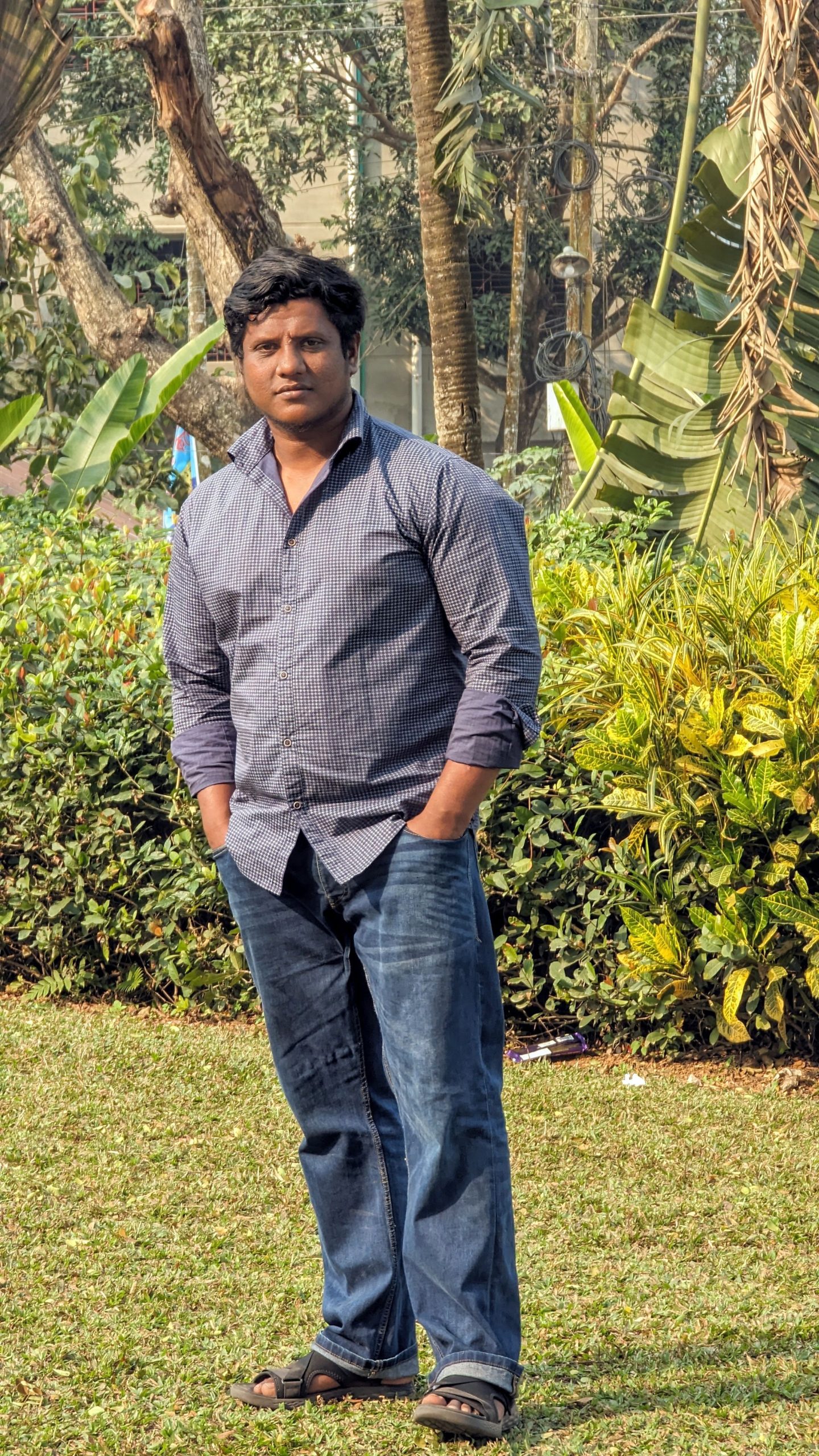
Beneath the captivating social media facade, the movement is fundamentally backed by three key figures: Abhijeet Dipke (30), Ashutosh Ranka (30), and Saurav Das (27). Their collaborative efforts stem from differing backgrounds and temperaments, which have proven crucial to their success. Those familiar with the movement describe Dipke as politically savvy yet occasionally emotional, embodying the heart of the protest.
On July 18, following the removal of activist Sonam Wangchuk from Jantar Mantar, Dipke proposed that the movement escalate its objectives. Rather than just demanding Pradhan’s resignation, he advocated for the resignation of Prime Minister Narendra Modi. Dipke is known for his love of A.R. Rahman’s music and his ability to connect with protesters on a personal level, often sharing light-hearted moments and humor amidst serious discussions.
In contrast, Ranka is characterized as decisive, albeit sometimes authoritarian, with a tendency to lose his temper. He serves as the strategist for the movement. Das, the youngest member of the trio, is recognized for his friendly demeanor and outreach capabilities. While he can occasionally hesitate, his skills in connecting with the public have been instrumental.
Political Connections and Backgrounds
All three share a history with the Aam Aadmi Party (AAP), a link they do not shy away from. Both Dipke and Ranka have previously worked with the party, while Das has maintained close ties with former Delhi Chief Minister Arvind Kejriwal.
Dipke hails from Chhatrapati Sambhajinagar, Maharashtra, in a Dalit family, though his caste identity played a secondary role in the protests. He identified himself as a student leader who happens to be a Dalit, emphasizing his activist identity. After enduring an ink attack at Jantar Mantar, he succinctly declared, “Blue is my colour. Jai Bhim.” His academic journey took him from journalism studies in Pune to a Master’s in Public Relations at Boston University. Dipke’s previous experience in political communications with the AAP’s social media team underlines his expertise in mobilizing support.
Ranka’s path diverges from many others in the protest scene. Hailing from Jaipur, he earned a degree in Materials Science and Engineering from IIT-Kanpur. His early involvement in public life was marked by his presidency at the Students’ Gymkhana. He gained practical political experience as a Delhi Assembly Fellow during 2019–20, collaborating with Atishi’s team amid the pandemic before pursuing a Master’s at the London School of Economics. Ranka has openly stated his ambition to engage in Rajasthan politics, having recently challenged Education Minister Madan Dilawar to address student issues.
Das emerged as the movement’s public spokesperson, utilizing his background in journalism to shape narratives and keep the cause prominent in media discussions. Born in Puducherry, he possesses bilingual skills and graduated from Amity University in 2019, where he studied Journalism and Mass Communication. A notable piece he authored for The Caravan has gained recognition, while he is also involved in climate advocacy through his initiative, Climate Action Front. His viral videos celebrating Pradhan’s resignation encapsulate a generational shift in political expression, though not without drawing criticism.
Remarkably, none of these leaders had orchestrated a protest of this magnitude before the CJP made its mark near Jantar Mantar. Their leadership resonates with a broader youth movement galvanizing around pressing issues. For now, they assert that the CJP will remain a pressure group rather than morph into a political party, navigating the complexities of their evolving political landscape.