The Banchhada community in Madhya Pradesh presents a stark contrast to many Indian families regarding the upbringing of their daughters. Instead of focusing on nurturing sons, they invest heavily in their daughters, providing them with better nutrition and clothing. However, this investment serves a disturbing purpose: the expectation that daughters will enter sex work and contribute to the family’s income. Once labeled a ‘criminal tribe’ by the British and now classified as a Scheduled Caste, the Banchhadas continue to exist on the periphery of society, as both government and NGOs grapple with the challenge of breaking this cycle of exploitation, reports Mehul Malpani.
To protect the privacy of those affected, the identities of all sex workers, former sex workers, and their families have been altered.
In a poignant setting, Savitri, a 40-year-old former sex worker, sits in her daughter’s room, decorated with educational materials. “I began to hate my profession when my daughters were five and seven,” she recalls. Determined to spare them from her life’s hardships, she made a vow: “They would live with dignity.” Although Savitri continued in the trade for a few years due to familial obligations, she eventually left. Now, a decade later, her elder daughter works with an NGO and is studying for police exams, while the younger is preparing for medical entrance tests.
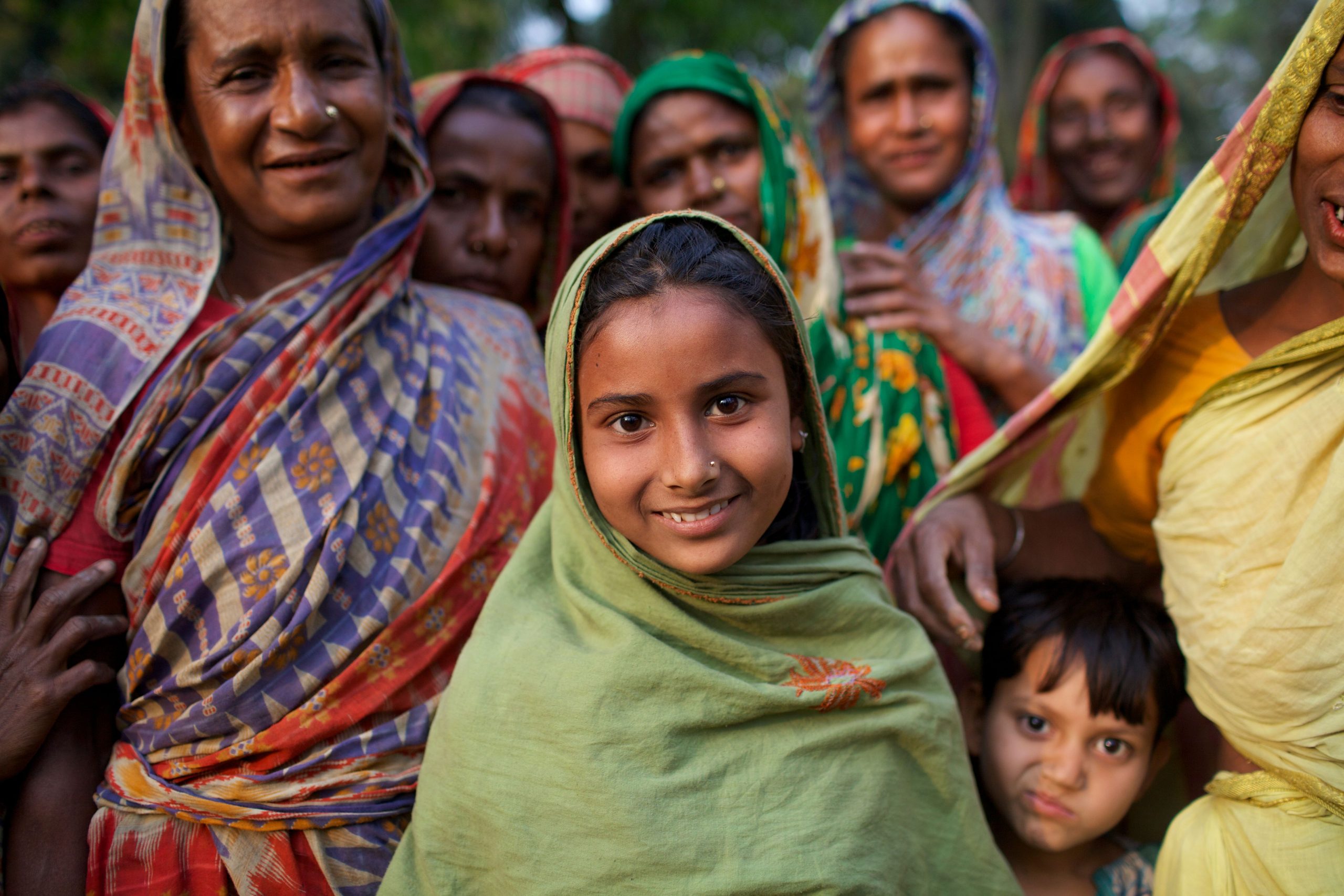
The Banchhada community, with a population of about 25,000 across 78 villages in Mandsaur, Neemuch, and Ratlam districts, finds itself entrenched in a system where young girls often inherit the expectation to engage in sex work. Contrary to many Indian families who celebrate the birth of sons, the Banchhadas mark the arrival of daughters with joyous rituals, offering sweets and firecrackers. As these girls grow, they receive better nourishment than boys, are adorned in costly clothing, and are often not pressured to marry, unlike traditional practices throughout much of India.
Tragically, the rationale behind this nurturing is rooted in a grim reality: Banchhada girls are pushed into sex work upon reaching puberty, shouldering the burden of financial support for their families, often with relatives acting as pimps.
Akash Chouhan, founder of the Jan Shaurya Social Welfare and Development Society, an NGO in Neemuch, estimates that around 10,000 women from the Banchhada community, including approximately 3,000 girls, are caught in this web of exploitation. “Many girls are compelled to drop out of school after Class 8 or 9 to enter sex work,” he shares. “Community elders shield these practices under the guise of tradition.”
Radhika, a sex worker from the community, emphasizes the psychological conditioning that begins in childhood. “I quit school myself after Class 9 and began working,” she reveals. “But if a girl refuses, her family resorts to physical or emotional coercion to force her into sex work.”
A drive along State Highway 156 reveals a sobering reality. Girls lined along the roadside wear bright lipstick, while older women observe from their porches, beckoning potential clients. A notable incident in Neemuch’s Jaitpura village uncovers the transactional nature of this grim trade, as an elderly woman openly offers potential clients options from her granddaughters, marking the price for services.
Many girls, regardless of age, claim to be around 20, despite having been in sex work for several years. Furthermore, roadside dhabas function as facilitators by brokering these transactions, categorizing them by various factors like location and service duration, with prices ranging from ₹300 for brief encounters to ₹10,000 for younger individuals.
Shivangi, a former sex worker turned government employee, recounts chilling experiences from her past, emphasizing the physical and sexual violence she endured. She eventually transitioned out of the profession after engaging with an NGO, learning about life beyond her community.
The Banchhada community possesses a complex history, once labeled ‘criminal’ during British rule under the Criminal Tribes Act of 1871. Narendra Chouhan, another NGO founder, emphasizes that the origin of this exploitative practice can be traced back to that era when community women were bartered for the release of imprisoned men.
Since their de-notification in 1952 and classification as a Scheduled Caste, the entrenched cycle of exploitation persists. Many families, seeking to maintain financial stability, push their daughters into sex work, often migrating from Rajasthan to Madhya Pradesh.
Despite occasional government initiatives aiming to remedy the plight of the Banchhadas, members face societal stigma that permeates all aspects of life, including education and employment. Kanupriya, a counselor with Jan Shaurya, summarizes their struggles, noting numerous job rejections tied to social identity.
According to Aditi Garg, former Mandsaur Collector, administrative efforts to bridge these opportunities have faced resistance from private schools concerned about their reputations. Nonetheless, efforts have been made to secure job placements for women from the community in government settings, demonstrating a measure of progress.
However, challenges persist. Many youths are hindered from obtaining vital governmental documents such as caste certificates, often leaving them without access to essential benefits. The district administration is advocating policy changes to enhance prospects for the community, although resistance remains.
Community leaders like Narendra stress that many girls feel they have no alternatives beyond sex work, as societal pressures and stigmatization hold them captive. The lack of viable paths out of their current circumstances casts a dark shadow over efforts to improve their situation.
Furthermore, systemic issues undermine efforts to rehabilitate these individuals. Girls who are rescued and rehabilitated often return to sex work as they age out of the support structures, revealing the difficulty in matching the financial benefits of sex work with legitimate income opportunities.
Yet, initiatives led by NGOs, such as educational programs aiming to empower children of the Banchhada community, are fostering hope for the next generation. In Sagargram, a coalition of youth has successfully halted local sex work and alcohol consumption by standing firm against familial pressure.
As Shobhita Thakur’s award-winning short film, *Khilawadi*, illustrates, it brings to light the heart-wrenching realities faced by Banchhada women. The film’s narrative centers on a girl who aspires to become a doctor yet grapples with the societal restrictions imposed on her life.
Within the Banchhada community, dowry customs reflect the disturbing intersection of economic expectation and gender. The groom’s family compensates for the loss of the girl’s potential income, often with sums that increase over time, highlighting the continued commodification of women.
Activists assert that pervasive societal norms lead girls to resist marriage in favor of the immediate rewards of sex work—luxurious items and creature comforts. Yet, as women age, many find themselves transitioning to different roles within the sex work framework, unable to escape the cycle as societal structures and pressures retain their grip.
The consequences can be dire, as experiences of violence are seldom disclosed within families, and many continue to bear the physical and psychological scars of their profession. Even the slightest attempts to break free from these cycles face resistance from caste panchayats, reinforcing the problem of generational exploitation.
While awareness campaigns exist, they often devolve into superficial displays, failing to produce substantial change. Activists and community members advocate for more significant actions that alleviate stigmas and provide tangible alternative livelihood options.
In conclusion, the Banchhada community’s narrative is one of resilience intermingled with systemic challenges that perpetuate a cycle of exploitation. While there are glimmers of hope among the younger generation, the societal forces at play demand urgent attention, intervention, and a commitment to genuine reform.