News Editor
Recent allegations against President Donald Trump regarding comments he made about Iran have sparked a contentious debate across the political spectrum. The White House has firmly denied claims by Democrats who suggest that Trump’s remarks implied readiness for Iran to target major U.S. cities like Los Angeles and San Diego.
Contentious Remarks at a Rally
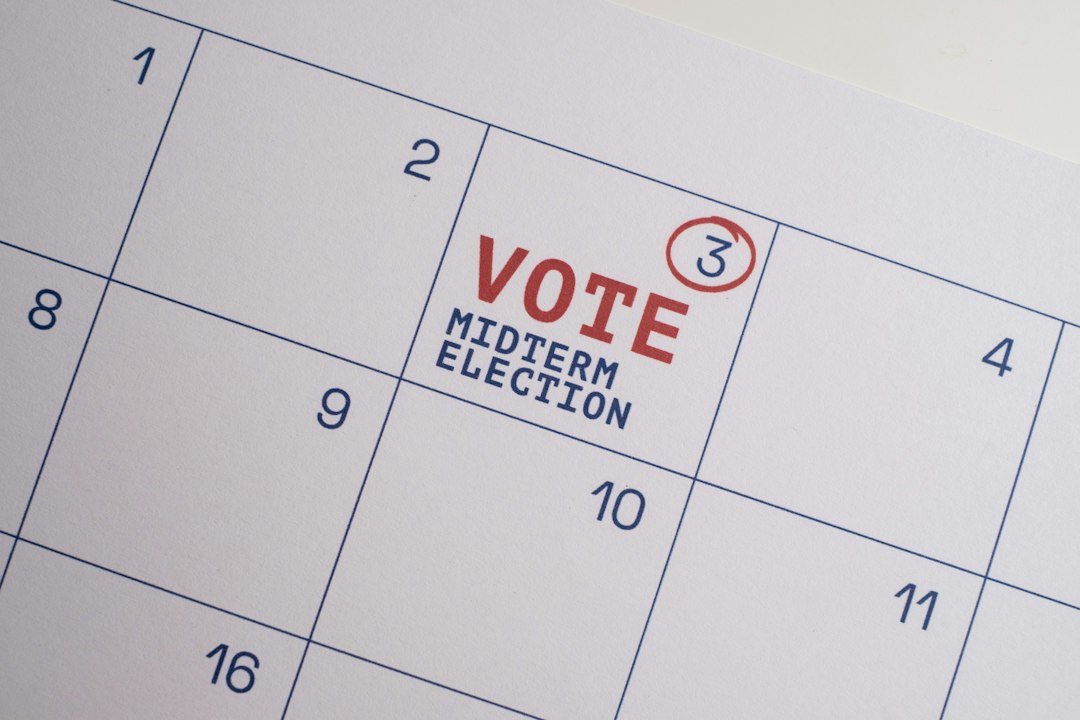
During a rally in Nebraska amid the midterm election campaign, Trump commented on the threat posed by Iran, suggesting that high oil prices were a necessary sacrifice to prevent Iran from becoming a nuclear power. In his speech, Trump seemingly referenced the potential danger to U.S. cities if Iran were to acquire nuclear capabilities. However, these comments were met with sharply different interpretations.
Democratic Outrage
Leading Democrats, including California Governor Gavin Newsom and U.S. House Minority Leader Hakeem Jeffries, criticized Trump’s language, interpreting it as a suggestion for foreign aggression against American cities. Newsom expressed outrage, labeling Trump’s remarks as “deranged and dangerous,” particularly highlighting the gravity of casual references to nuclear threats.
White House Response
The White House, in an effort to clarify the president’s stance, countered these interpretations. According to Communications Director Steven Cheung, Trump’s comments were intended to underscore the importance of preventing a nuclear-capable Iran, rather than suggesting an attack on U.S. cities. The administration described the backlash as a “media mischaracterization” and maintained that the president was emphasizing the protective measures being undertaken.
Pre-Election Tensions
As the midterm elections approach, these miscommunications have added to the already tense political landscape. The Republican party faces potential setbacks related to domestic issues like inflation and the contentious international discourse surrounding Iran. Trump’s campaign trail comments and their subsequent interpretations demonstrate the heightened sensitivity to national security discussions within the electoral context.