News Editor
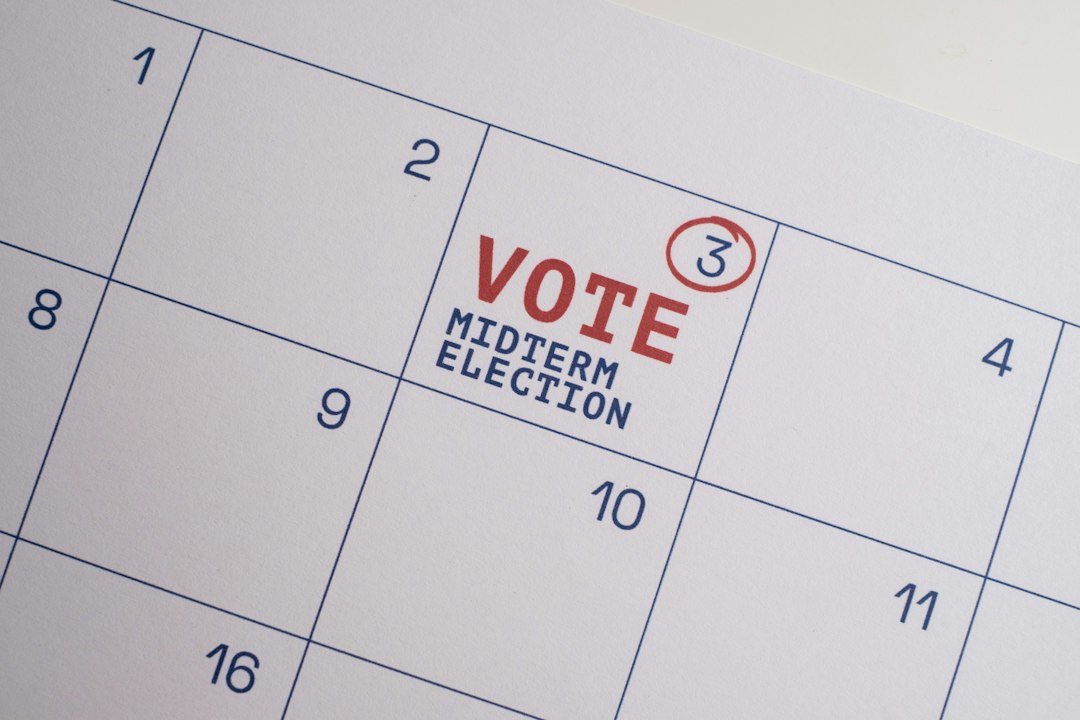
Understanding the 2026 US Midterm Elections
The US midterm elections in 2026 are pivotal, determining control in Congress and various gubernatorial seats. Voters across the nation will decide on all 435 House of Representatives positions and 35 Senate seats, along with gubernatorial elections in 36 states. The outcome of these elections could shift the current Republican hold on both legislative chambers.
When and Where to Vote
Polling times across the United States vary by state. Early birds in Vermont are among the first to cast their votes, with polls opening at 5am. By 6am, residents in New Jersey, Virginia, Connecticut, and Kentucky can begin voting. In states like Georgia, Florida, Pennsylvania, and New York, doors open between 6am and 7am, while polling in Ohio and North Carolina starts at 6:30am. If you reside in Michigan, you can cast your vote starting at 7am.
Closing Times for Polls
Poll closure times also differ across the country. Indiana and Kentucky are the first, closing at 6pm. In states like Kansas and Iowa, polls wrap up at 7pm and 8pm local time. The last state to conclude voting is Alaska, with polls ending around 1am Eastern Time on Wednesday.
Result Announcements
Votes begin to be tallied and results start trickling in after polls close on Tuesday. Although early results can give an indication, they aren’t definitive. Official results may take some time, as mail-in and provisional ballots are processed, sometimes over several days. Media outlets, alongside election officials, carefully analyze incoming data to determine winners.
Key Races to Watch
Several hotly contested races are central to the 2026 elections. In Michigan, the senatorial battle between Democrat Abdul El-Sayed and Republican Mike Rogers is closely followed, especially after Democrat Haley Stevens endorsed Rogers. Over in Florida, Democrat Angie Nixon challenges Republican Senator Ashley Moody, highlighting the intense competition in these midterms.
The Importance of Midterm Elections
Although midterms might not attract the same global attention as presidential elections, they are critical in shaping US political policies and governance for the subsequent years. The outcome of these elections could redefine political landscapes and influence national policies significantly.