News Editor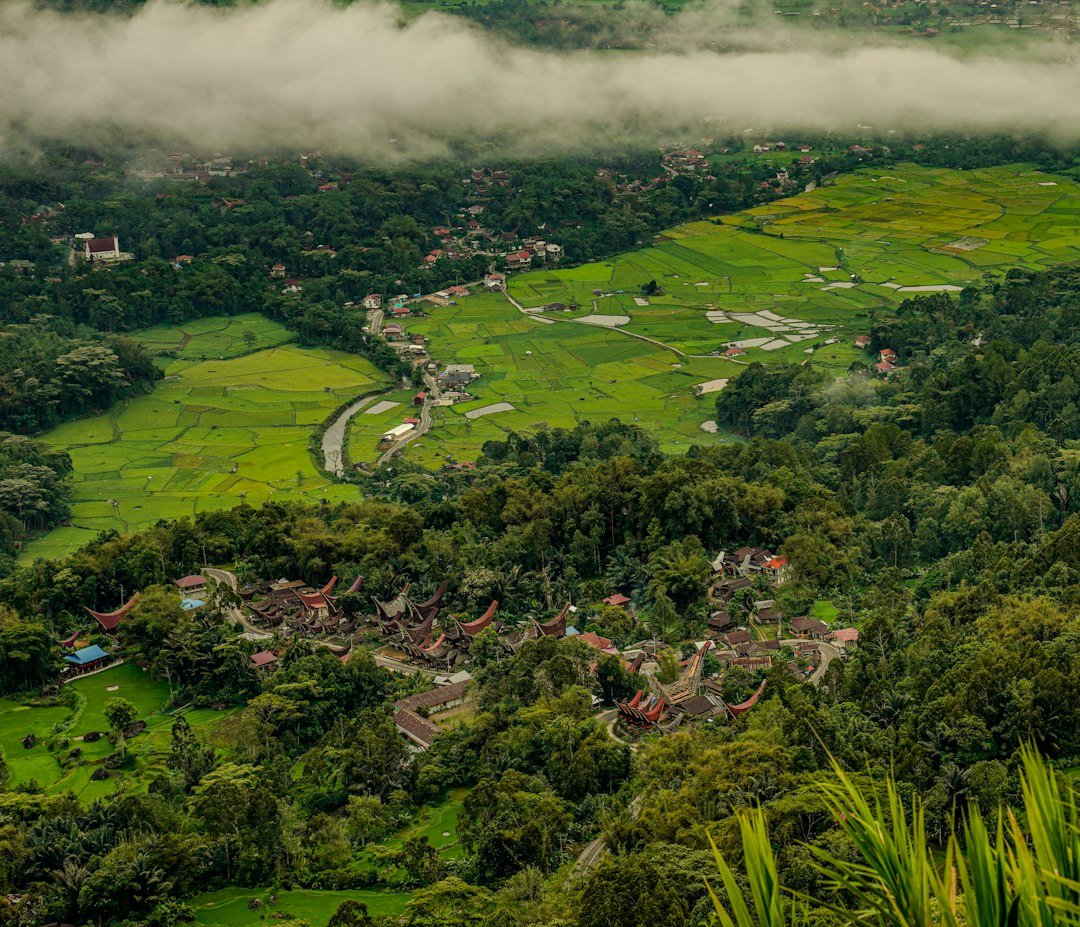
Understanding Forests and Jungles
Forests and jungles are often used interchangeably in casual conversations, but they hold distinct meanings and characteristics within the ecological lexicon. While both are lush areas brimming with greenery, the differences between them extend beyond mere semantics, involving climate, vegetation types, and ecological roles.
Climate and Geography
Forests can be found across various climates, including temperate, boreal, and tropical zones. These expansive areas are usually more organized and spread over larger geographies. Jungles, however, are primarily found in tropical regions where the climate is warmer, and rainfall is abundant. This results in a denser, more chaotic growth of plants competing for light.
Vegetation and Structure
In forests, particularly temperate ones, the trees tend to grow taller with a relatively open understory. This means there’s a more defined vertical structure, where different layers of canopy exist. Conversely, jungles are known for their underbrush, a thick layer of shrubs and small plants that create a more tangled and restrictive environment. The variety of species in jungles often surpasses that in temperate forests due to the favorable conditions for biodiversity.
Ecological Significance
Both forests and jungles serve crucial ecological roles. Forests act as substantial carbon sinks and play a vital part in regulating the earth’s climate. They provide habitat for countless species and are vital in protecting the soil from erosion. Jungles, with their dense canopies, help maintain regional climates and support an immense variety of life, contributing significantly to the planet’s biodiversity.
Conclusion
While the terms ‘forest’ and ‘jungle’ might conjure similar images of green expanses, it’s the details in climate, plant structure, and ecological importance that set them apart. Understanding these differences helps appreciate the unique roles they play in our global ecosystem.
Photo by Joshua Umboh on Unsplash