News Editor

The UK could fall behind on its critical climate objectives if alterations to electric vehicle (EV) sales regulations materialize, according to expert advice. The government is contemplating adjustments that may result in increased petrol and diesel vehicle sales, a move that could hinder the achievement of net zero emissions by 2050.
Potential Impact on Climate Goals
The Climate Change Committee (CCC) has raised concerns that proposed changes to the EV sales rules could have significant ramifications, potentially increasing CO2 emissions by 8.4 million tonnes annually by the upcoming decade. Currently, the rules demand a sharp increase in the proportion of electric vehicles sold, with penalties for carmakers that do not meet the targets.
This EV mandate plays a pivotal role in the UK’s climate strategy. Experts argue that any weakening of these targets could necessitate revisions to the country’s broader carbon reduction commitments, complicating efforts to decrease emissions through other sectors.
Industry Pushback on EV Mandates
Car manufacturers have been actively lobbying to reduce the stringent EV sales targets, citing significant financial strains. There is a proposal from the industry to lower the target from an 80% electric vehicle sales requirement by 2030 to a minimum of 50%. In contrast, the current rate of electric vehicles in new car sales is trailing behind set targets, with only 26.6% during the first ten months of 2026.
The chair of the CCC, Nigel Topping, emphasized that reducing the targets could undermine the UK’s competitiveness in the global market, where a shift toward electric vehicles is gaining momentum. He also noted that sticking to the current mandates could save UK households around £800 per year and reduce the country’s dependency on the volatile oil market.
Government Stance and Environmental Concerns
Amid these discussions, the UK government has recently made cuts to funding for other decarbonization initiatives, like heat pumps. There is also some internal government debate about whether to adjust carbon reduction targets further, especially with significant gas extraction proposals like the Jackdaw and Rosebank fields under consideration.
Internal government sources suggest that some cabinet members advocate for revising the carbon budgets prior to the UN’s COP31 climate conference. While there is acknowledgment of the potential benefits of softer targets, others argue it would jeopardize critical climate commitments.
Future Implications
The debate over the UK’s EV sales mandates continues to stir discussion among policymakers and the automotive industry. As the government deliberates over potential amendments, the risk remains that a softened stance could drive the UK further from its environmental goals, potentially triggering wider climatic and economic impacts.
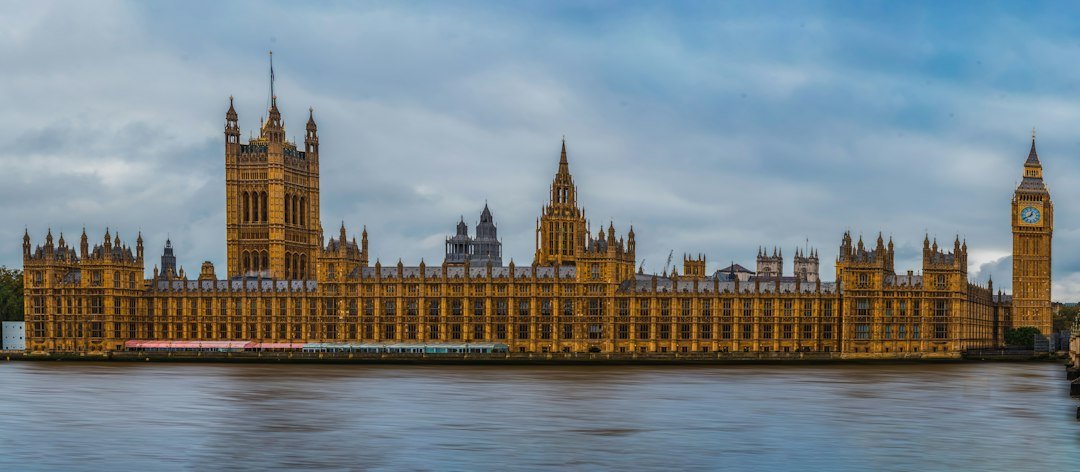
Photo by Jack Lucas Smith on Unsplash