News Editor
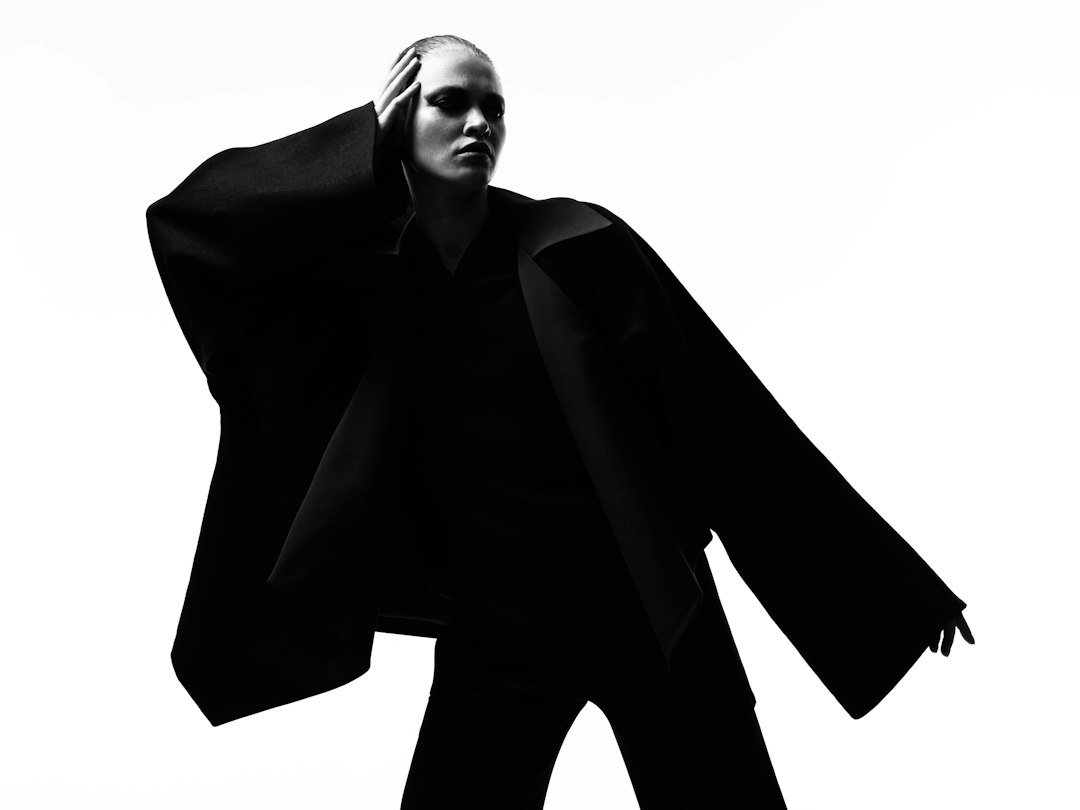
In a fashion landscape accustomed to puffer jackets ruling the winter months, a new contender has emerged: the opera coat. These luxurious, fuzz-trimmed garments are experiencing a renaissance as they capture the interest of both fashion icons and the general public.
Celebrities Fuel the Opera Coat Craze
Stars like Jennifer Lawrence and Kendall Jenner have been spotted embracing this trend, with Lawrence donning a Dior version at a recent event. Their choices underscore the coat’s versatility, as it can effortlessly complement both formal and casual attires. From floor-length to cropped designs, modern renditions are reshaping traditional perceptions of this classic piece.
Brands and Designers Embrace the Texture
Fashion houses such as Staud, DÔEN, and high street shops like Zara and Marks & Spencer are introducing their versions of the opera coat, each adding their unique touch to the traditional design. Rixo’s take on the coat, featuring floral embroidery and faux fur trims, has been particularly popular.
The Appeal of Nostalgia and Craftsmanship
The allure of opera coats lies in their luxurious aura and nostalgic charm, an attraction highlighted by Orlagh McCloskey of a London-based brand. The desire for garments with individuality and historical roots is echoed by fashion forecaster J’Nae Phillips. These coated garments infuse a sense of drama into the otherwise mundane, homogenized fashion market.
DIY and Vintage Inspirations
The trend hasn’t just captured the retail market; it has inspired DIY enthusiasts to create their fuzzy adornments at home. Vintage stores and online marketplaces have reported increased interest, with people eager to find or create these coats, giving them a sustainable twist. This hands-on approach not only celebrates the garment’s heritage but also aligns with environmental consciousness, as seen in the reuse of vintage items rather than contributing to fast fashion.
Cultural Considerations and Sustainable Fashion
As with any cultural resurgence, the opera coat trend raises conversations around cultural appreciation versus appropriation. April Ru Wan of Ouch Studios emphasizes the importance of understanding the cultural histories behind these garments. Meanwhile, sustainability advocates encourage opting for vintage or carefully chosen faux options to avoid contributing to environmental degradation. Recycling existing fashion pieces is not only eco-friendly but ensures these trendy items remain in use for years to come.
Photo by Malicki M Beser on Unsplash