News Editor

Changing Dynamics of Global News
The global news landscape has witnessed transformative changes over the past five decades, significantly altering who crafts the narratives that reach global audiences. The historic dominance of Western news outlets is being challenged by the rising influence of countries in the Global South, altering the global story’s flow and perspective.
An Emergent Voice
In the early 1980s, Daya Thussu, then a fresh subeditor with the Press Trust of India, was immersed in this evolving media landscape. As news poured in from various wire services, two distinct streams emerged in the newsroom: the Western-established agencies, such as Reuters, and a more innovative network collaborating newsrooms from Asia, Africa, and Latin America.
The Non-Aligned Experiment
This movement bore the hallmarks of the Non-Aligned Movement, where newly independent nations sought to tell their stories without reliance on the old colonial power bases in London, Paris, or Washington, DC. This initiative enabled diverse narratives to be shared directly among nations, fostering a unique kind of journalism that wasn’t filtered through the lens of Western media.
Decoding News Power
Historically, a trifecta of European agencies—the German Wolffs Telegraphisches Bureau, Britain’s Reuters, and France’s Agence Havas—provided virtually all international news. These institutions once formed a formidable cartel, dividing key markets among themselves and setting the agenda on which stories traveled beyond borders.
The Quest for Equitable Media
As colonial empires began to wane, countries newly liberated from imperial rule started challenging these age-old media monopolies. They questioned why narratives about their lands had to be filtered through foreign lenses and sought the freedom to express their own perspectives on the global stage. This transition marks a pivotal moment in history as Global South countries assert their agency in the telling of their stories.
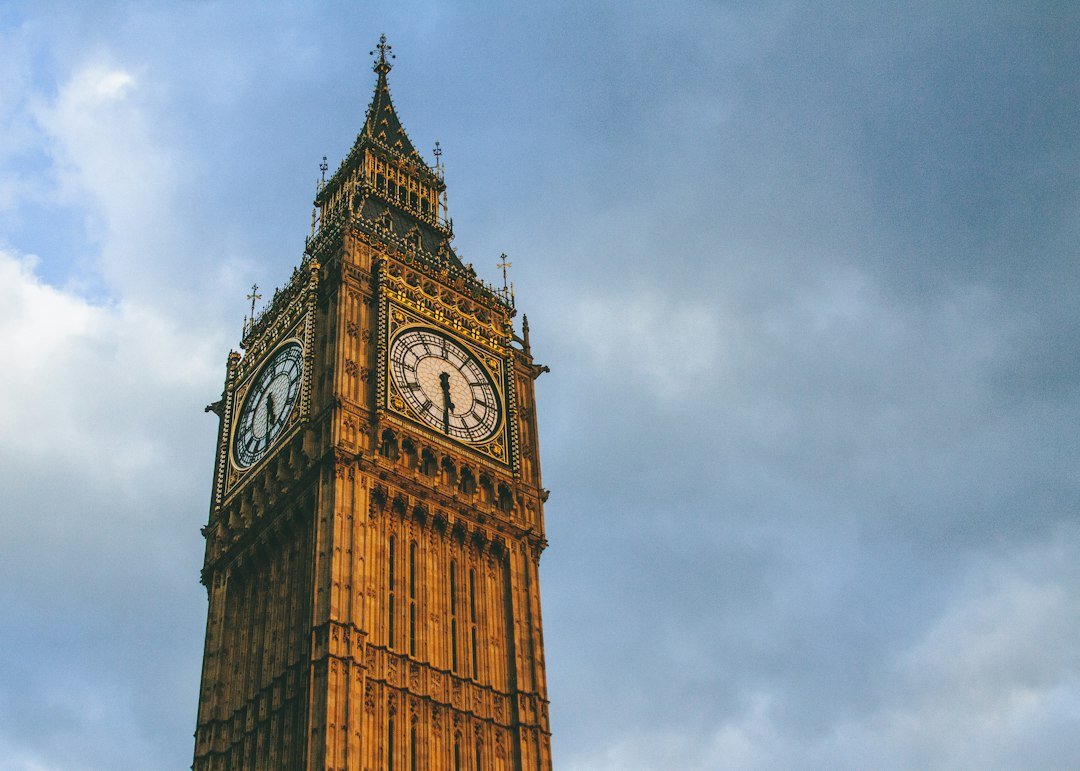
Photo by Joseph Chan on Unsplash