News Editor
The Telegraph’s shifts under new management have resulted in the conclusion of Nigel Farage’s regular column. This decision to end the column raises questions about the publication’s future political stance.
Transition Under New Ownership
Farage’s stint at the Telegraph has ended as Axel Springer takes over. While some claim his exit was a business decision by the new owners, Farage reportedly resigned due to disagreements over editorial directions. This event sparks wider speculation about how the Telegraph’s political alignment might be evolving under its new management.
Implications of Editorial Changes
Farage, a notable right-wing figure, recently used his column to support controversial viewpoints and proposals. His focus on reducing foreign aid and ceasing benefits for non-citizens, alongside criticisms of net zero targets, marked his column’s tone. The column’s end aligns with the speculation about the Telegraph’s alignment amidst its bid to penetrate the US market, possibly aiming to challenge other center-right outlets like the Wall Street Journal.
Wider Consequences
The decision to part ways with Farage and other right-leaning contributors has instigated discussions on the Telegraph’s editorial direction. Columnists like Allison Pearson are also rumored to be departing, alongside significant staff reductions across various sections, indicating a broader shift in organizational strategy.
This phase of layoffs follows CEO Mathias Döpfner’s controversial strategy to expand internationally, despite staff confusion and discontent. The editorial changes and financial cuts have not only sparked dissatisfaction but also a critical examination of the Telegraph’s strategic realignment moving forward.
Reaction from Media Figures
Responses from the media landscape are polarized, with significant figures like Alex Phillips expressing discontent over what she terms a “political bloodbath,” alleging a move towards a leftist ideology. This critique reflects a broader concern regarding perceived ideological shifts within traditional right-leaning media spheres in the UK.
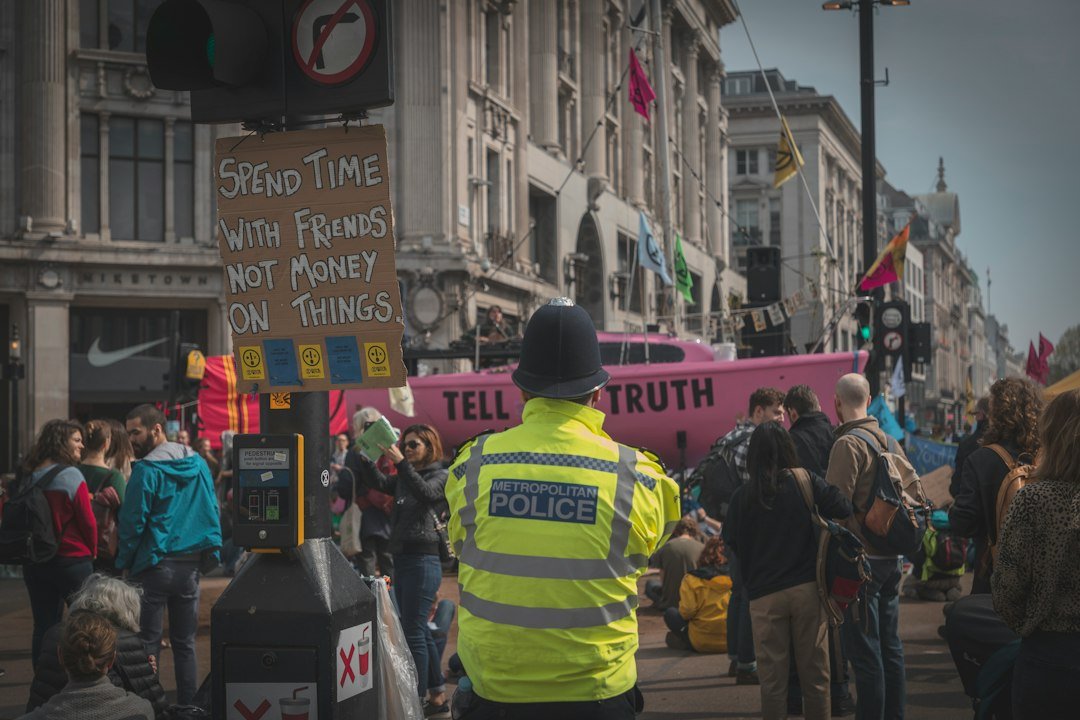
Photo by Joël de Vriend on Unsplash