News Editor

Transformational Change Demanded by New Zealand Voters
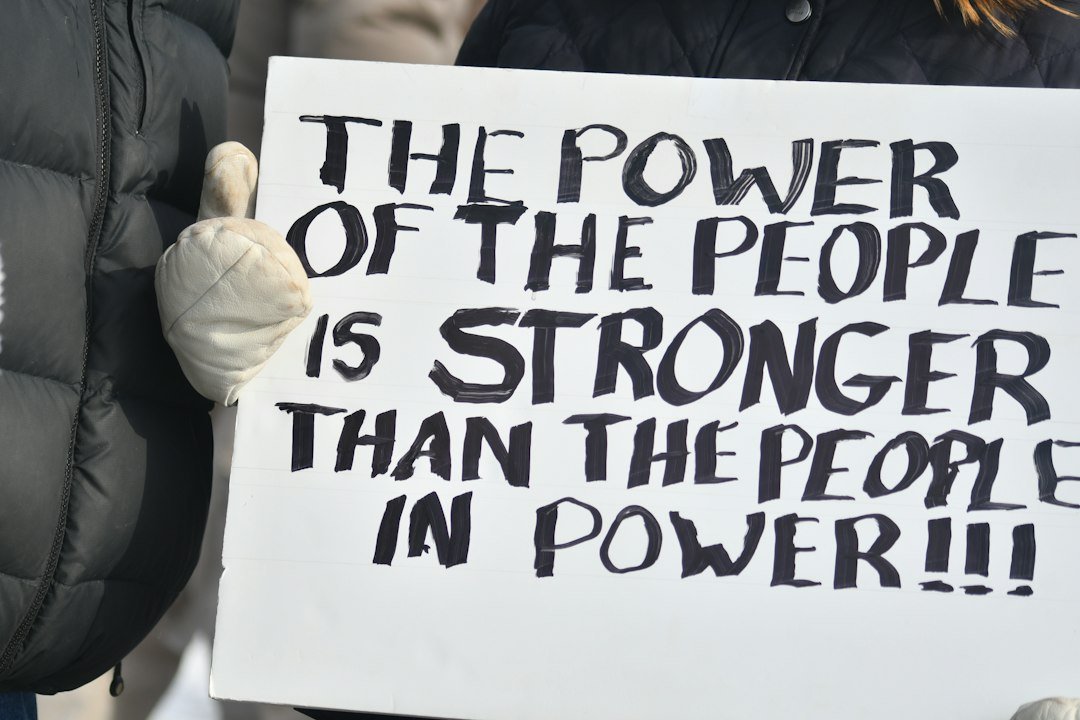
The recent elections in New Zealand have marked a pivotal shift in the political landscape, as the two dominant political forces, Labour and National, faced significant voter disengagement. The election results illustrate a clear message from the electorate: a demand for transformative policy changes.
On election night, the combined vote share of Labour and National fell to an unprecedented low, capturing only 58% of the total votes. This outcome highlights widespread voter disillusionment with the incremental policy approaches that have defined New Zealand’s political scene in recent years. Instead, a substantial portion of the electorate gravitated towards smaller parties that promise more radical changes and clearer visions for the future.
Minor Parties Gain Ground
The minor parties, namely Act, the Greens, New Zealand First, and Te Pāti Māori, saw significant gains. Act and the Greens achieved their best performance to date, while New Zealand First reaped its greatest success since 2002. Moreover, Te Pāti Māori surpassed expectations, and the Opportunities Party finally crossed the 5% vote threshold, earning parliamentary representation and positioning itself as a potential power broker in the final outcome of the election.
The election’s tight race, predicted for months, resulted in a highly contested outcome, hinging on the counting of special votes. Both major parties, led by Christopher Luxon for National and Chris Hipkins for Labour, have found themselves at a competitive standstill, with Labour securing 29.3% of votes and National close behind at 29.2%.
Strategic Failures of the Major Parties
Critics suggest that the major parties can only blame themselves for these results. The political strategies employed by National and Labour failed to resonate with voters. Instead of inspiring with robust platforms, the campaign trails were marred by mutual critiques between Luxon and Hipkins, overshadowing their party agendas. This misstep allowed the minor parties to capitalize on voter dissatisfaction.
Impact of the Electoral System
An interesting development from this election is how the Mixed-Member Proportional (MMP) system has played out. While National’s party votes lagged, the quirks of the MMP system allowed them to retain more electorate seats than their vote share warranted. This resulted in a parliamentary overhang—a phenomenon where the number of seats in the house exceeds the usual 120, thus adjusting the majority requirement to 66 seats.
The coalition on election night barely surpassed this threshold, raising the stakes further until the special votes, which could alter seat allocations, are tallied. Historically, these special votes have affected final outcomes, as seen in past elections. Given the current political dynamics, the ultimate configuration of the government remains uncertain.
In conclusion, the 2026 election signifies a notable shift in New Zealand’s political climate, with voters clearly signaling a call for change and innovation beyond traditional governance models.
Photo by Zulfugar Karimov on Unsplash