News Editor
Meta, the parent company of Facebook, Instagram, and WhatsApp, has initiated a legal confrontation with the UK’s media oversight body, Ofcom, over disagreements concerning the enforcement of the Online Safety Act. This comes amid broader tension between social media companies and regulatory frameworks increasingly being introduced to govern digital safety practices.
Dispute Over Implementation and Responsibilities
The tech giant’s grievance primarily focuses on Ofcom’s categorization of WhatsApp and Instagram under the Online Safety Act, which imposes extra compliance tasks such as enhancing user control, boosting transparency, safeguarding against fraudulent promotions, and heightened illegal content tracking. Meta’s legal move is seen as part of a series of similar actions by tech companies aiming to decelerate the regulatory processes through judicial systems.
Aside from Meta, other tech entities like TikTok and platforms like X have raised concerns about the expectations to provide extensive data necessary for compliance. It’s worth noting that Meta argues against the interpretation and application of the law by Ofcom rather than the legislation itself.
Financial Stakes and Broader Implications
A financial stake adds gravity to this legal battle, with breaches of the Online Safety Act potentially incurring fines amounting to 10% of a company’s worldwide revenue or up to £18 million, whichever is greater. Ofcom utilizes a portion of this revenue to support its regulatory operations. Meta has previously contended that the basis for fee calculations—company’s global earnings—lacks fairness and needs revision.
Oliver Griffiths, Ofcom’s online safety director, highlighted the complex legal challenges the regulator faces, emphasizing the pressure from multiple tech companies questioning data collection methods essential for regulation. Despite these challenges, Ofcom remains committed to enforcing change in online safety measures.
Government’s Stance and Future Regulation
The UK government, represented by Lisa Nandy, Secretary for Digital, Culture, Media and Sport, has expressed a proactive stance on internet regulation, indicating an adaptive legislative approach responsive to rapid technological changes. Her remarks stress the necessity for the government to frequently update laws to effectively address the evolving digital environment.
As both the government and social media companies continue to navigate these regulatory hurdles, the outcome of Meta’s legal actions may set significant precedents for future regulatory frameworks and the balance of power between technology entities and governmental regulators.
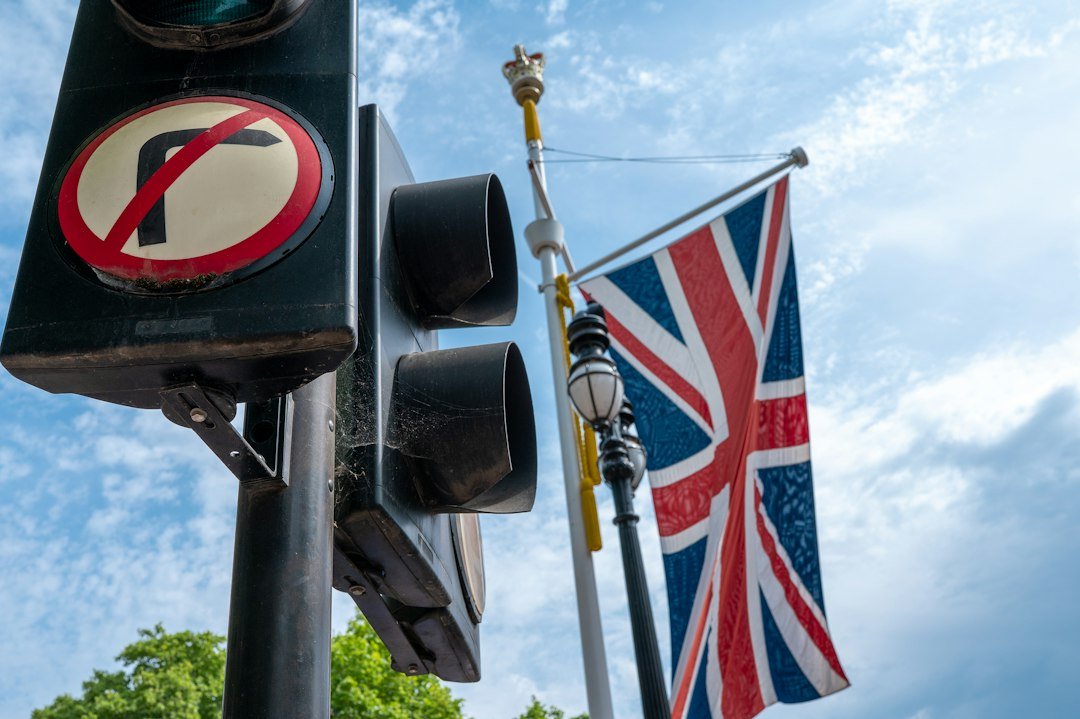
Photo by Darren Halstead on Unsplash