News Editor
Machinists Union Pushes for Change in Midterms
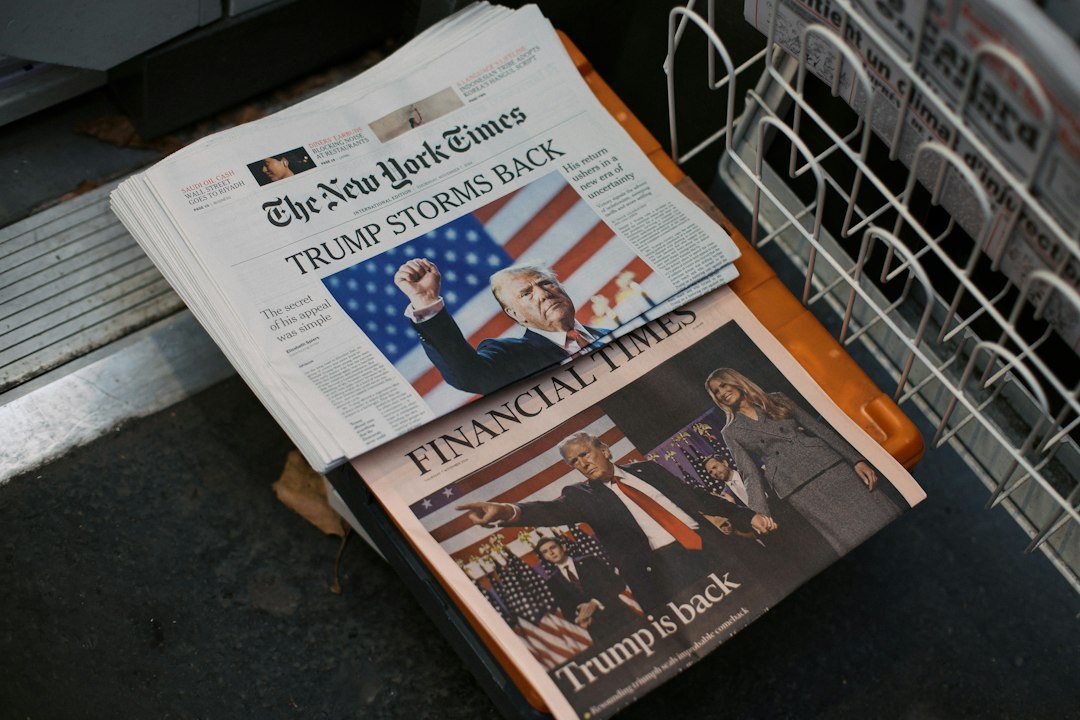
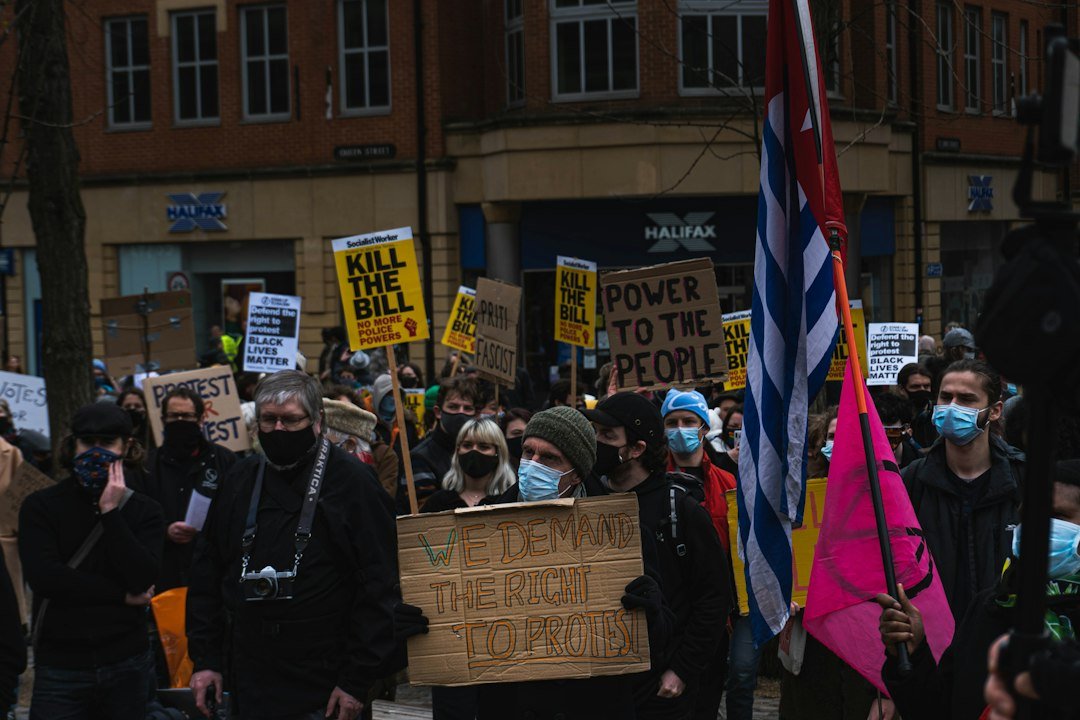
Facing economic challenges aggravated under Trump’s leadership, the International Association of Machinists and Aerospace Workers (IAM) is on a mission to flip seats in key swing states during the upcoming midterm elections. Rallying under the slogan ‘workers v billionaires,’ the union is advocating for candidates that prioritize worker rights and economic fairness.
Targeted States and Union Strategies
The IAM, representing about 700,000 members across North America, has focused its efforts on critical battlegrounds including Maine, Pennsylvania, Michigan, Texas, Ohio, Georgia, Arizona, Nevada, and Illinois. This initiative comes in response to concerns over policies that the union argues disproportionately aid the wealthy while burdening the working class.
Brian Bryant, the IAM’s international president, has vowed to commit unmatched resources and engagement levels in this election cycle. “We are competing in a system that uplifts billionaires over ordinary workers,” Bryant stated, emphasizing the need for urgent legislative change.
Background on Economic Concerns
Despite previous promises from former President Trump to curb living costs, inflation has seen an uptick, particularly affecting everyday expenses such as health care and gasoline. The pandemic of economic pressures has been further exacerbated by international conflicts, Trump’s policies with Iran cited as a contributing factor to increased fuel prices.
Local Leaders and Political Shifts
IAM local leaders, like Jason Gayler in Texas, describe a shifting political landscape. Texas, traditionally a stronghold for conservative politics, is witnessing increasingly competitive races. Recent successes, such as Taylor Rehmet’s election to the Texas Senate, suggest a growing appetite for change.
Grassroots Efforts in Key States
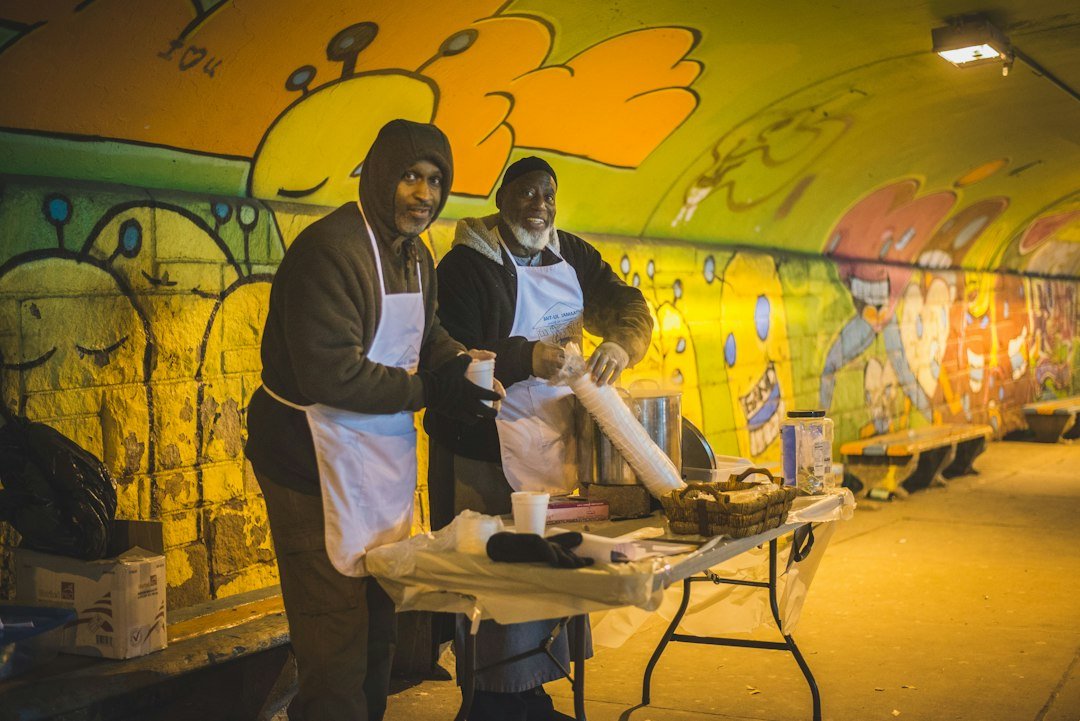
In Arizona, activists like Shay Blodgett underscore the union’s grassroots efforts in mobilizing workers around the economic issues that resonate most with them—rising living costs, fuel prices, and healthcare expenses. Blodgett notes, “Our members have been clear: economic concerns are at the forefront of their priorities when it comes to choosing candidates.”
Overall, the movement hints at a larger backlash against policies perceived to disadvantage the working population. With the backdrop of evolving political dynamics and an energized electorate, the midterm campaigns promise to play a pivotal role in shaping the post-Trump economic narrative.
Photo by Samarth Kulkarni on Unsplash