News Editor

Concerns Raised Over Pedestrianisation of UK High Streets
The UK government has advised local councils to approach the pedestrianisation of high streets with caution, highlighting potential risks if such initiatives are not strategically planned. Although pedestrianising high streets has made these areas more appealing and secure, officials warn of possible unintended consequences.
As explained by the Ministry of Housing, Communities and Local Government (MHCLG), pedestrianisation efforts must align with comprehensive urban strategies to prevent adverse effects on accessibility and local economies. The guidance stems from evidence submitted to a governmental committee examining how to rejuvenate high streets.
Despite not issuing formal guidelines, the government underscores the importance of local leadership in making informed decisions tailored to community needs. An upcoming high street strategy is expected to reveal further insights into revitalisation efforts, ensuring these areas remain accessible and vibrant.
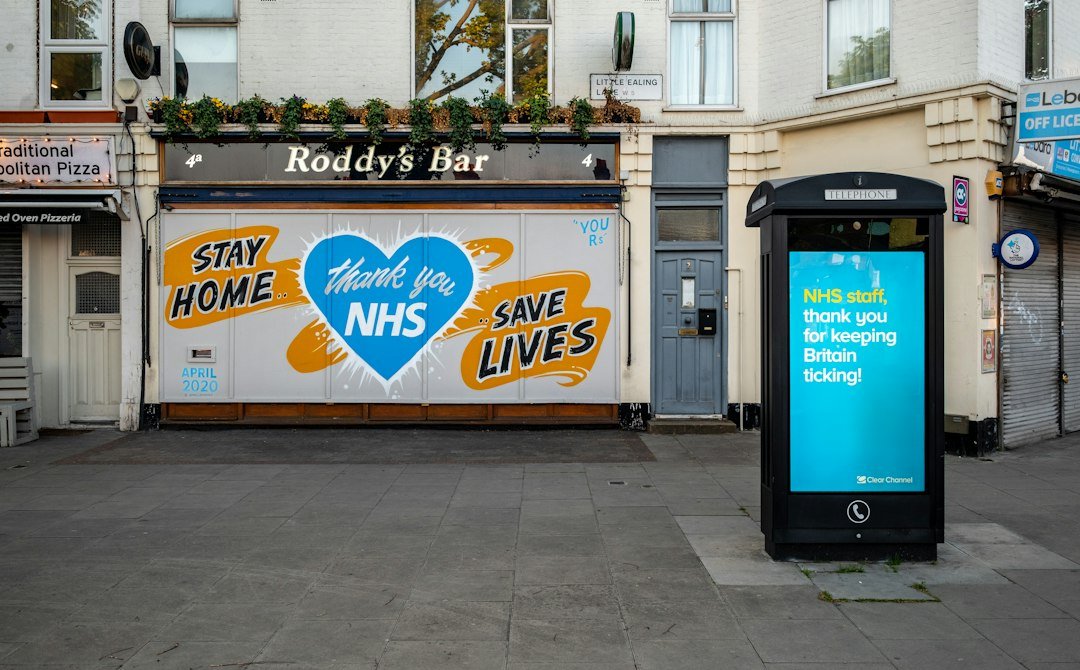
Reducing vehicle access in city and town centers has become increasingly popular, with many councils testing this approach, especially during the COVID-19 pandemic. However, the impact of such changes often leads to heated debates and divides public opinion, particularly regarding London’s Oxford Street plan, which faced mixed reactions.
Challenges and Opportunities
Proponents argue that pedestrianisation, coupled with improved public transportation, can enhance urban economic viability. Professor Lee Ivett of the University of the Built Environment suggests that making high streets less dependent on cars requires infrastructure investment in public transport to maintain accessibility.
Previous strategies have supported user-friendly designs for city centers, encouraging walking and cycling. However, the execution involves a detailed legal and consultation process, often stretching over several years. Notably, London’s Oxford Street took nearly a decade to reach its current pedestrianisation stage.
Trial outcomes vary across the UK, with some plans facing strong local opposition, while others, such as Manchester’s Northern Quarter, successfully transitioning to pedestrian-friendly spaces. Each case highlights the importance of addressing local community needs and preferences.
The forthcoming high street revitalisation plan should provide more clarity on how councils can balance the benefits of pedestrian-focused designs with economic considerations and ensure that changes reflect the unique characteristics of each area.
Photo by Paul Fiedler on Unsplash