News Editor

A Decade of Climate Talks Since the Paris Agreement
A decade has passed since the landmark Paris Agreement instilled hope for unified global climate action. Yet, as the 2025 climate summit concluded in Belém, Brazil, with lackluster outcomes, questions loom over the effectiveness of ongoing negotiations. This Brazilian summit, deviating from anticipated plans, refrained from requiring nations to submit detailed greenhouse gas reduction strategies, a foundational element of the Paris accord.
Host countries, notably Brazil, argued that such plans remain within national governance and are not subjects for international negotiation. This stance caused unease among negotiators from the Global South, with some expressing that the absence of negotiation renders such conferences increasingly futile. Despite concluding with an agreement, enthusiasm among participants was notably sparse.
The Paris Agreement’s Shortcomings
The original aim of limiting global temperature rise to 1.5ºC above preindustrial levels is at risk. Recent data reveals that temperatures have surpassed this target for consecutive years, with predictions now suggesting a rise closer to 1.7ºC or 1.8ºC. This shortfall questions whether the Conference of the Parties (COP) process itself is faltering.
Over half a decade was spent just to ratify the procedural “rulebook” for the Paris Agreement, demonstrating the complexity and sluggishness of climate negotiations. The requirement for consensus on resolutions further complicates progress, often allowing nations with vested fossil fuel interests to hinder meaningful measures.
Geopolitical Challenges and Progress
Despite the negotiated milestone in Dubai during COP28, where countries agreed to “transition away from fossil fuels,” the agreement lacked urgency, failing to establish a timeline or policies for implementation.
Political dynamics, particularly the U.S. withdrawal under President Trump, have also strained the Paris Agreement’s efficacy. The United States, a major greenhouse gas emitter, pulling out of the agreement amplified obstacles. Meanwhile, nations that publicly support climate action, such as Australia and Turkey, have yet to make substantial commitments towards reducing their carbon footprint.
The Path Forward
As the world grapples with escalating climate threats, many are concerned about the waning effectiveness of the COP process. While experts acknowledge the moral imperative of the Paris Agreement, the practical impact remains heavily scrutinized. The road ahead requires invigorated commitment and innovative approaches from both developed and developing nations to truly bend the curve of global emissions downward.
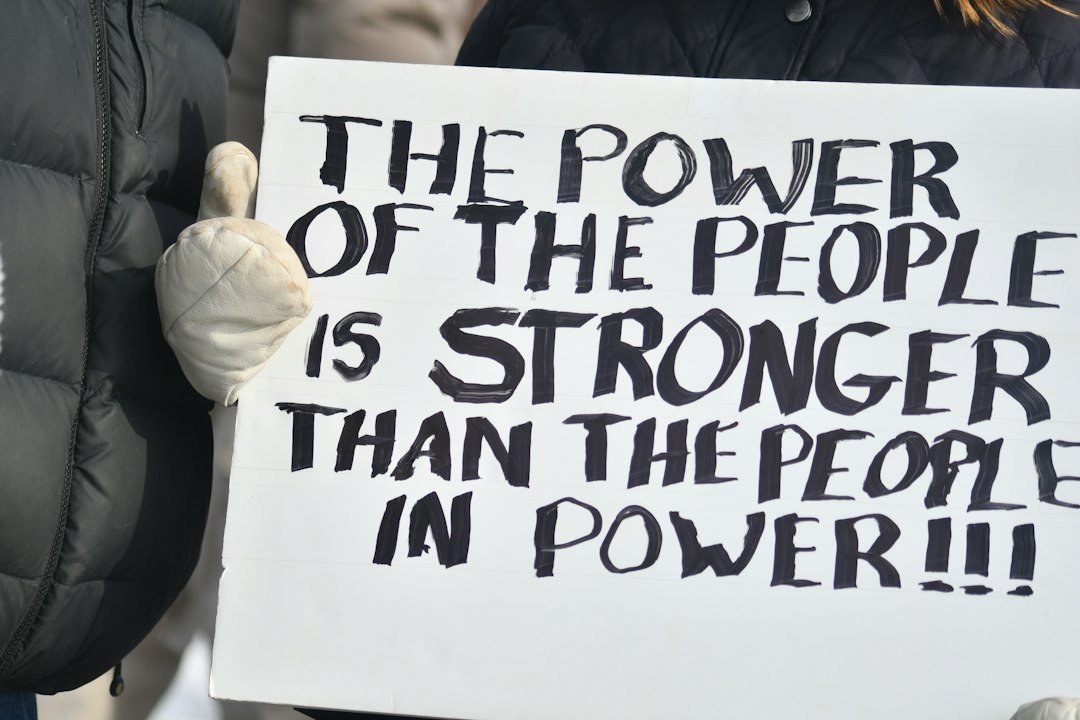
Photo by Guille Álvarez on Unsplash