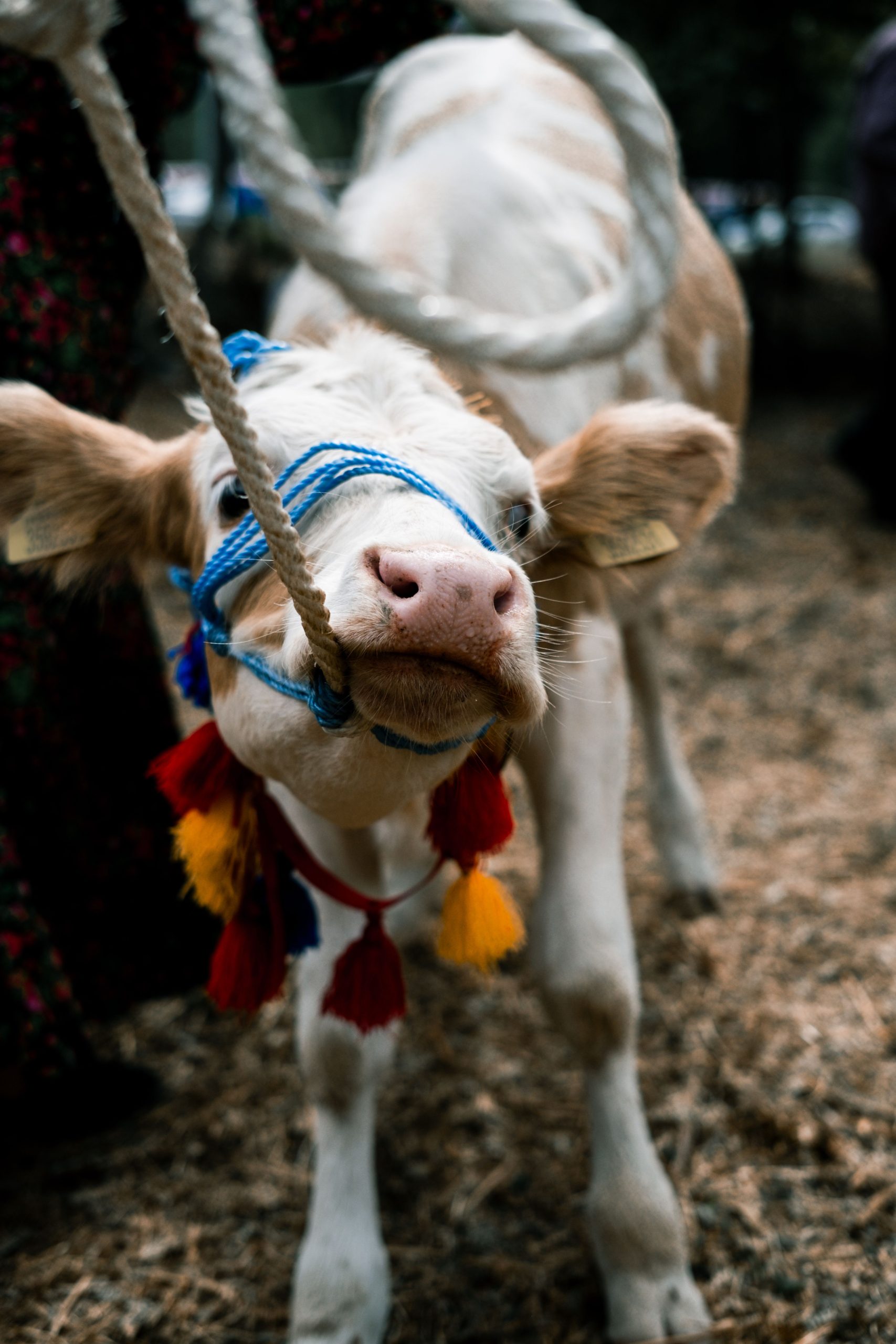
NEW DELHI: The Supreme Court has issued a stay on the Madras High Court’s order directing the Tamil Nadu government to prohibit the slaughter of cows and calves, not only during Bakrid but on any day. This significant ruling came from a Bench comprising Justices Vikram Nath and Sandeep Mehta, as reported by Live Law.
The Madras High Court had, in May, implemented a comprehensive ban on cow and calf slaughter, emphasizing the importance of animal protection during religious celebrations such as Bakrid. The recent Supreme Court intervention arose from a public interest litigation (PIL), which aimed to curb unregulated slaughter practices outside designated slaughterhouses.
The vacation bench, including Justice GR Swaminathan and Justice V Lakshminarayanan, pondered the PIL’s central question: whether cow and calf sacrifices can take place in non-designated locations during Bakrid festivities. In the course of permitting the petition, the court mandated strict enforcement of the ban by the Tamil Nadu government.
“We allow this writ petition with a direction to the State of Tamil Nadu to ensure that no cow or calf is slaughtered on the eve of Bakrid or on any other day,” the bench stated. It emphasized the responsibility of the authorities, specifically the chief secretary and the additional director general of police (law and order), to issue appropriate directives to enforce compliance with this order.
The PIL was initiated by K Surya alias K Surya Prasanth from Coimbatore, who raised concerns about arrangements being made for the slaughter of cows and calves for Qurban (sacrifice) in areas not designated as slaughterhouses.
In its judgment, the bench referenced Article 48 of the Constitution, which stipulates that the state must act to prohibit the slaughter of cows, calves, and other beneficial cattle. It reminded the court that the cow is a revered animal, integral to Indian civilization since the times of Lord Krishna.
Historical references were made to the abolishment of cow slaughter during the reign of various Muslim rulers and noted that Mahatma Gandhi held cow protection as a sacred issue. The court highlighted that cow slaughter became widespread primarily to meet the dietary needs of the colonial army, a practice that was largely reversed post-Independence when several states enacted legislation to protect cows.
Furthermore, the court clarified the conditions under which a cow can be legally slaughtered: it must be over ten years old, unfit for work and breeding, or permanently incapacitated due to injury, deformity, or an incurable disease. Compliance requires a certificate from the competent authority, stating that the animal meets these criteria.
In its order, the bench cited an undated directive from the Tamil Nadu government asserting the necessity of enforcing a cow slaughter ban to promote milk production and support rural economies. The court reiterated that this government order holds legal power, and under Section 113 of the Tamil Nadu Urban Local Bodies Act, 1998, animal sacrifices are only permitted at officially designated locations. Authorities are prohibited from allowing slaughter outside of these approved settings.