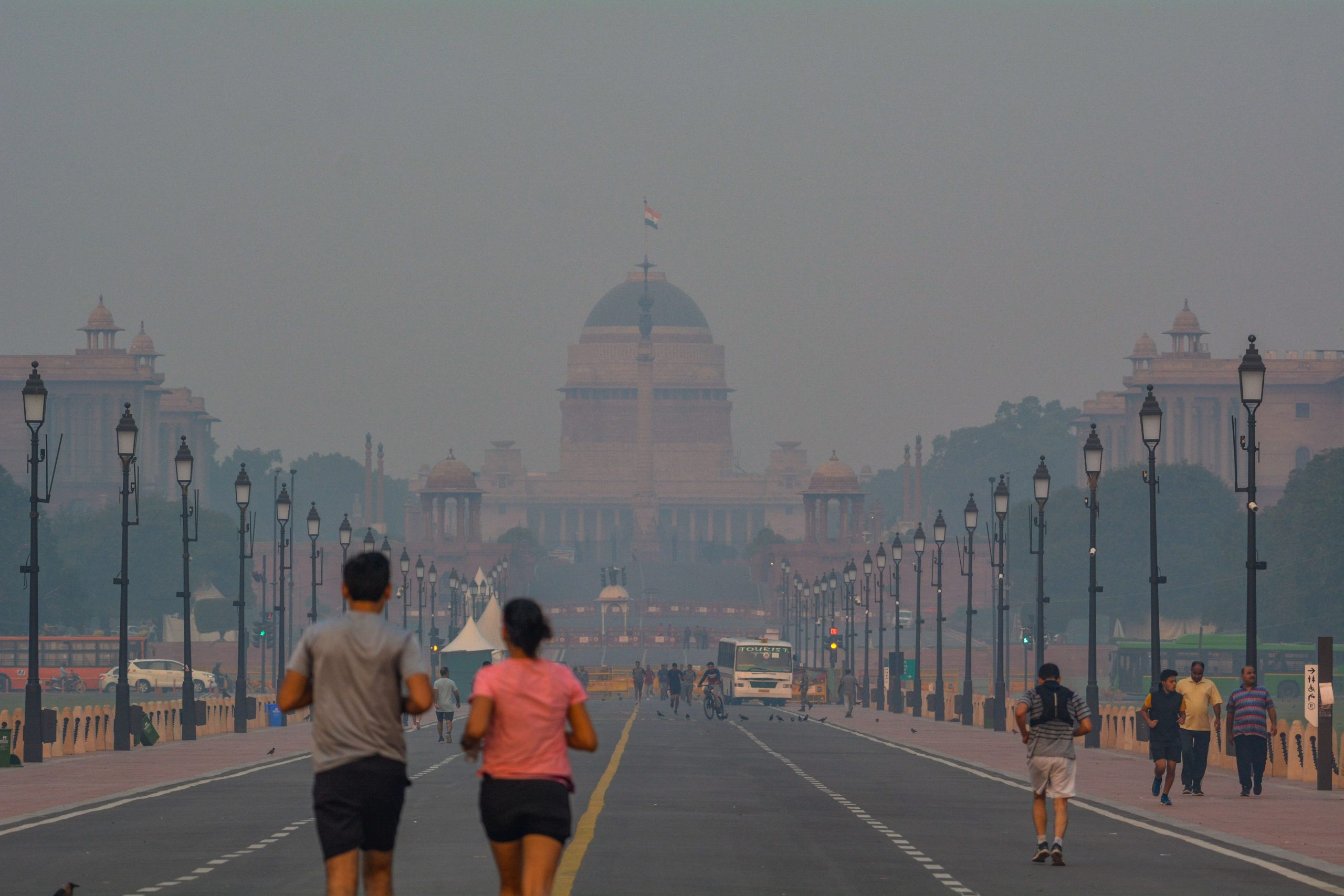
As the festival season approaches, Delhi’s air quality has taken a significant downturn, raising concerns among residents and environmentalists alike. Reports indicate that pollution levels are escalating, particularly with Diwali just around the corner.
The Air Quality Index (AQI) has reached alarming levels, frequently surpassing the 300 mark. This drastic increase is attributed to a combination of factors, including vehicular emissions, construction dust, and the burning of firecrackers associated with the festive celebrations.
Government Measures to Address Pollution
In a bid to tackle the worsening air quality, the local authorities are implementing several measures. This includes enhancing traffic management and increasing monitoring of pollution sources.
- Deployment of additional teams to oversee pollution control
- Ban on construction activities in highly polluted areas
- Initiatives to promote the use of eco-friendly firecrackers
Despite these efforts, many citizens remain skeptical about the effectiveness of these measures, especially given the historical context of pollution during this time of year.
Health Implications
The degrading air quality is not just an environmental concern—it poses serious health risks. Health professionals warn that prolonged exposure to polluted air can lead to respiratory issues, cardiovascular diseases, and other health complications.
“The festival season should not come at the cost of health; we urge citizens to be cautious and limit outdoor activities during peak pollution times,” said Dr. Meera Sharma, an environmental health expert.
Looking Ahead
Experts advocate for a mix of short-term and long-term strategies to combat pollution. While immediate action is crucial, awareness campaigns and sustainable practices will play a pivotal role in improving air quality in the long run.
As Delhi gears up for the festivities, it remains to be seen how effective these initiatives will be in ensuring a healthier environment for its residents.