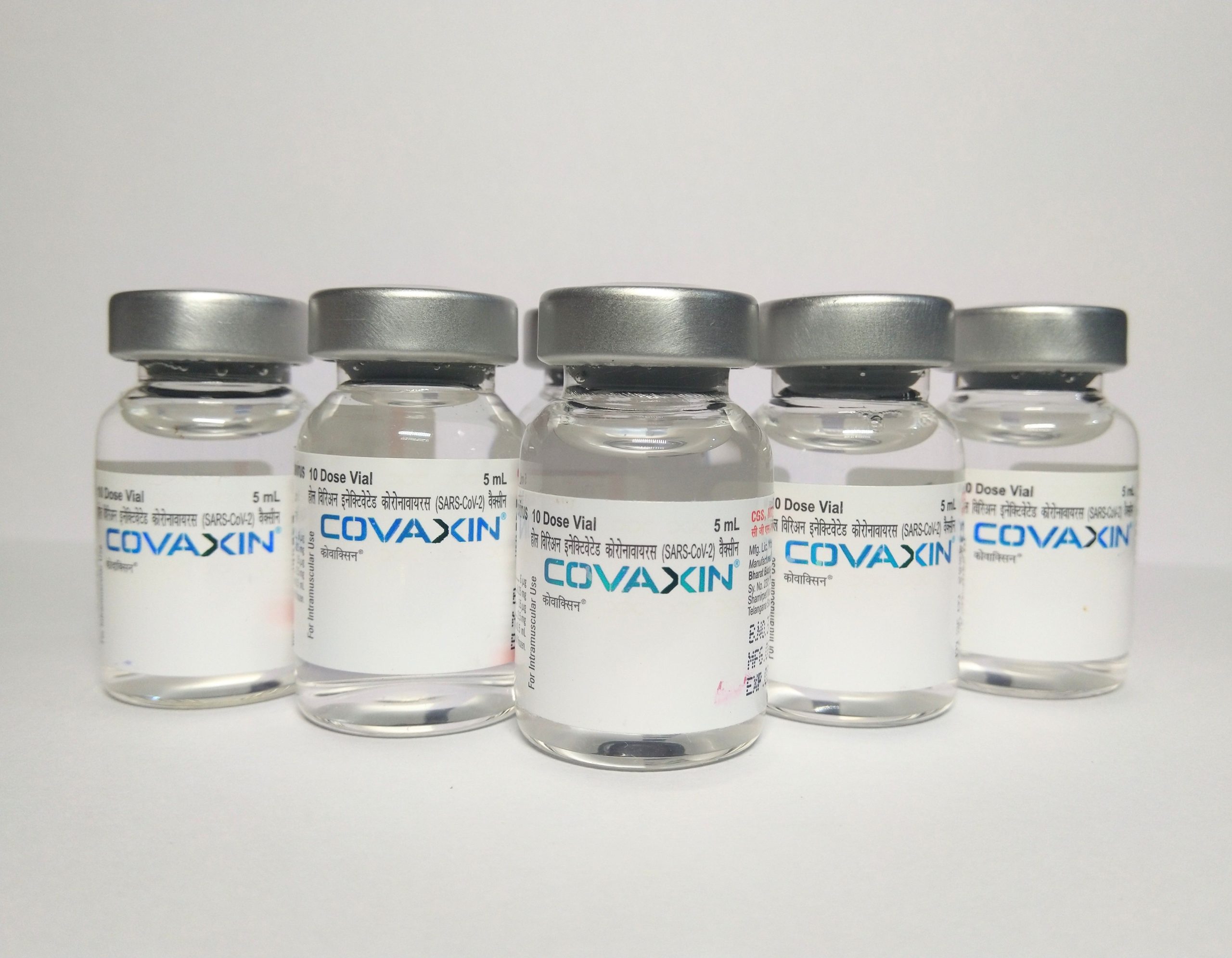
In a major development for public health, India has officially launched its first electronic vaccine intelligence network, a system aimed at enhancing vaccination coverage across the nation. Spearheaded by the Ministry of Health and Family Welfare, this initiative is set to revolutionize the way vaccines are monitored and managed, ensuring timely delivery and reducing wastage.
The initiative, named the Electronic Vaccine Intelligence Network (eVIN), leverages technology to create a robust mechanism for tracking vaccine stocks and temperatures at various storage points. This innovative approach is expected to play a critical role in immunization programs, particularly in remote areas where access to reliable data has been challenging. By providing real-time information, eVIN will facilitate better decision-making and enable healthcare workers to respond swiftly to vaccine demands.
Key Features of eVIN
eVIN incorporates several noteworthy features designed to streamline vaccine management:
- Real-Time Monitoring: The system offers continuous tracking of vaccine storage temperatures, ensuring that vaccines remain effective.
- Data Analytics: It provides insightful analytics for optimizing supply chains and enhancing vaccination coverage.
- User-Friendly Interface: The platform is designed to be intuitive, making it accessible to healthcare workers across various regions.
- Scalability: eVIN is adaptable to different scales of operation, from small clinics to large hospitals.
Impact on Public Health
With the launch of eVIN, the Indian government aims to strengthen its immunization infrastructure, significantly impacting public health. The initiative is particularly pertinent as the country continues to battle vaccine-preventable diseases. The rollout of this network is expected to improve overall health outcomes and boost confidence in vaccination programs.
According to the Union Health Minister, “eVIN is a step forward in our continuous effort to ensure that no child is left unvaccinated. This technology will help us achieve our immunization targets effectively.”
As part of its commitment to enhancing healthcare delivery, India is also looking into the integration of artificial intelligence and machine learning into future health initiatives. The government believes that such advancements will further ensure equitable access to vaccines across diverse populations.
This move reflects India’s commitment to leveraging technology in healthcare, a trend that is increasingly becoming vital in a globally connected world.