News Editor
Trump’s Latest Move: Media Ban Sparks Controversy
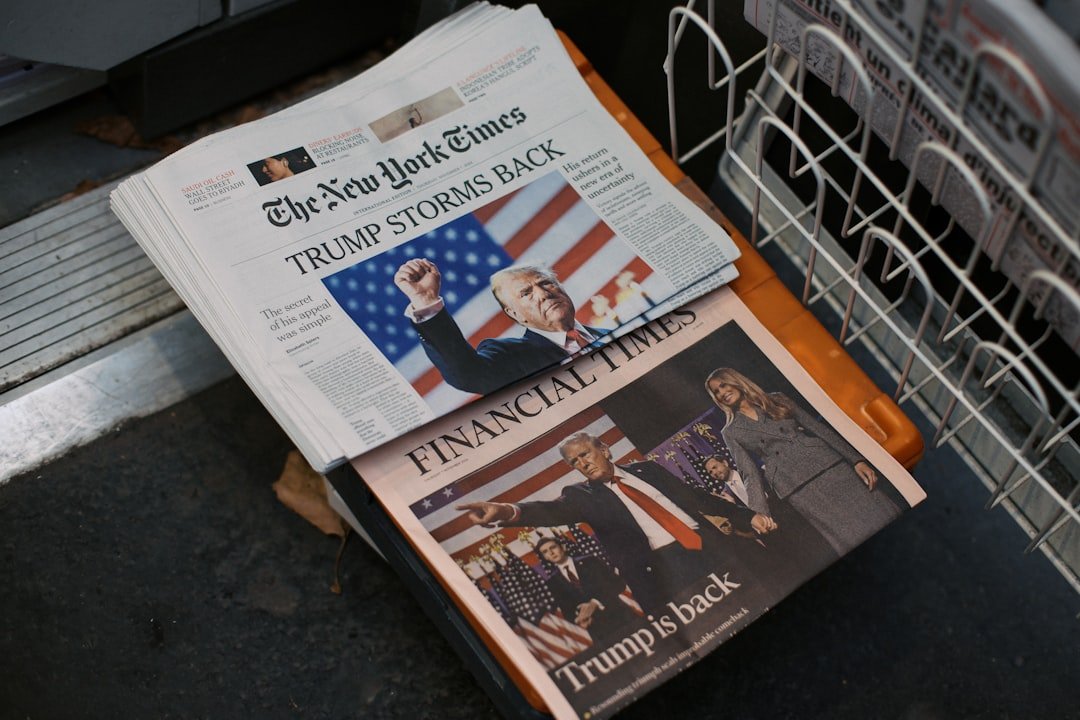
In a dramatic and controversial decision, President Donald Trump has effectively banned renowned media outlets CNN, MS Now, and Politico from the White House, a move that has raised significant concerns regarding press freedom and constitutional rights. This sudden directive was communicated via Trump’s social media platform, Truth Social, citing allegations of biased journalistic practices.
The president justified his decision by accusing these outlets of disseminating what he describes as ‘fake news.’ At a recent Oval Office event, Trump expressed dissatisfaction with the coverage he receives, highlighting his preference for more favorable outlets like Breitbart and specific segments of Fox News. Despite reminders about the constitutional promise to uphold free speech, he emphasized his disdain for what he perceives as persistent false reporting.
Implications and Reactions
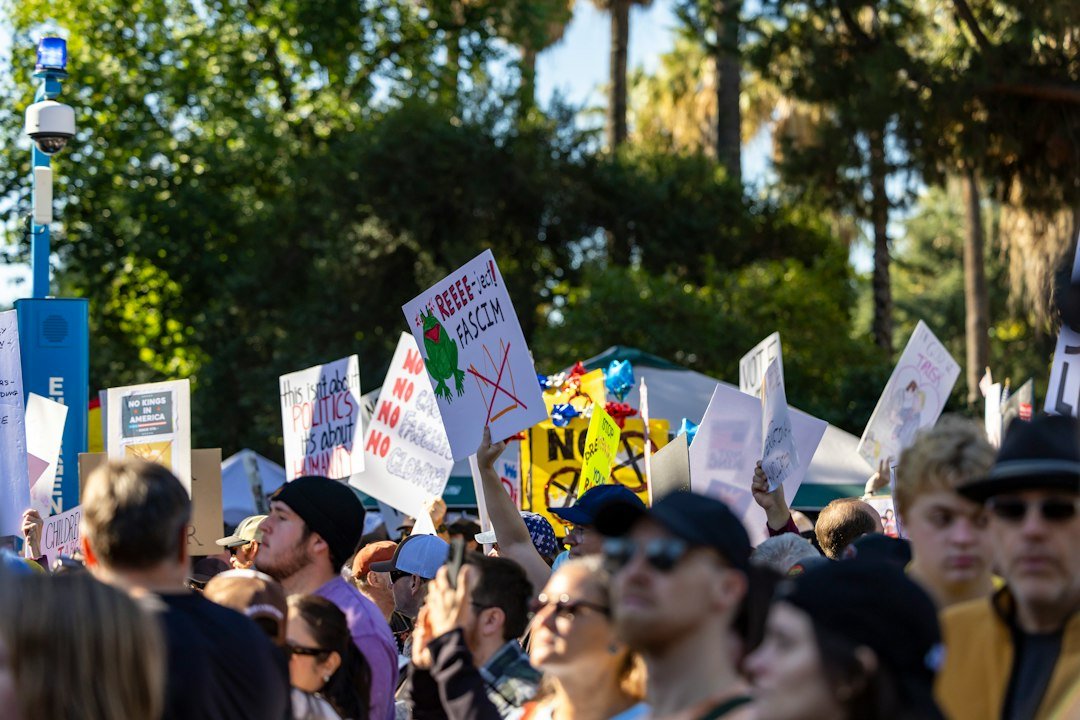
Trump’s ban quickly drew criticism from various quarters, including Democratic legislators and defenders of free speech. Critics argue that this move is an attempt to undermine journalistic autonomy and limit the public’s access to unbiased information about governmental activities.
The affected media organizations have responded with steadfast resolve. CNN’s spokesperson reiterated their commitment to accurate and impartial reporting, despite governmental pushback, emphasizing their constitutionally protected rights. Politico echoed similar sentiments, promising to continue their rigorous coverage of government affairs and to defend their press freedoms legally if necessary. MS Now chose not to comment on the situation at this time.
A Wider Debate on Press Freedom
The White House Correspondents’ Association (WHCA) has also reacted, standing by the journalists barred from the White House. Jacqui Heinrich, president of the WHCA, stressed that the stakes extend beyond just the rights of the journalists involved; it concerns preserving the public’s right to be informed about the actions of government officials.
Moreover, legal experts have weighed in, pointing out that the White House press area is traditionally a public domain where barring journalists based on editorial stance infringes on First Amendment rights. This further complicates the administration’s position on restricting certain press activities.
Trump’s measures coincide with critical stories covered by these outlets, including military operations and sensitive technology issues, although he claims these reports did not influence his decision. The unilateral exclusion of media organizations over contentious reporting has indeed sparked debates about the future of free press in the United States under Trump’s administration.