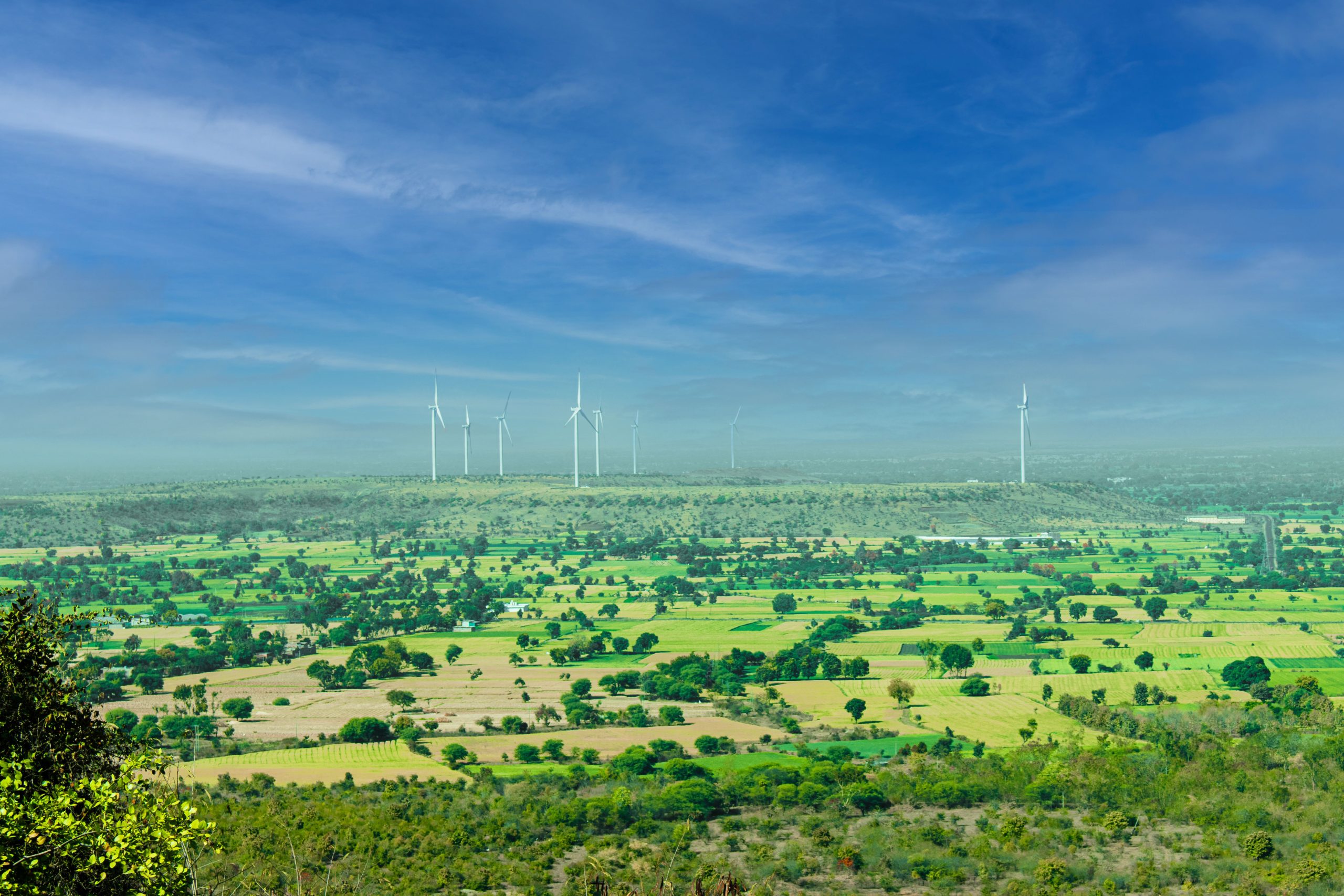
India has marked a significant achievement in its renewable energy sector as it surpasses the landmark of 200 gigawatts (GW) of installed capacity. This milestone reflects the country’s commitment to sustainable energy sources and reducing carbon emissions.
The growth in renewable energy capacity is primarily driven by solar and wind energy. In recent years, the government has introduced several policies and incentives to promote the adoption of renewable technologies. This surge in installations not only contributes to energy security but also helps in generating employment opportunities and fostering technological advancements.
Government Initiatives
To support this growth, the Indian government has set ambitious targets, aiming for 500 GW of non-fossil fuel capacity by 2030. These initiatives are in line with India’s commitments under the Paris Agreement to address climate change.
Additionally, state-level policies have facilitated the rapid deployment of renewable systems across the nation. For instance, various states offer subsidies and tax breaks to encourage solar panel installations among residential users.
Global Context
With this achievement, India ranks among the top countries in terms of renewable energy production. The shift towards renewable sources is crucial not only for India but also for global efforts towards sustainable development.
“This milestone reinforces our commitment to a greener future,” said a spokesperson from the Ministry of New and Renewable Energy.
The focus on renewables is not just about energy generation; it also plays a pivotal role in the fight against climate change, highlighting the importance of international cooperation in transitioning to sustainable energy systems.
As more investments flow into the renewable sector, experts believe that India can become a global leader in renewable energy innovations. The nation’s diverse climatic conditions provide a unique advantage for leveraging solar and wind technologies effectively.
In conclusion, as India celebrates this achievement, it also sets the stage for future growth in the renewable energy landscape, contributing to a more sustainable planet.