News Editor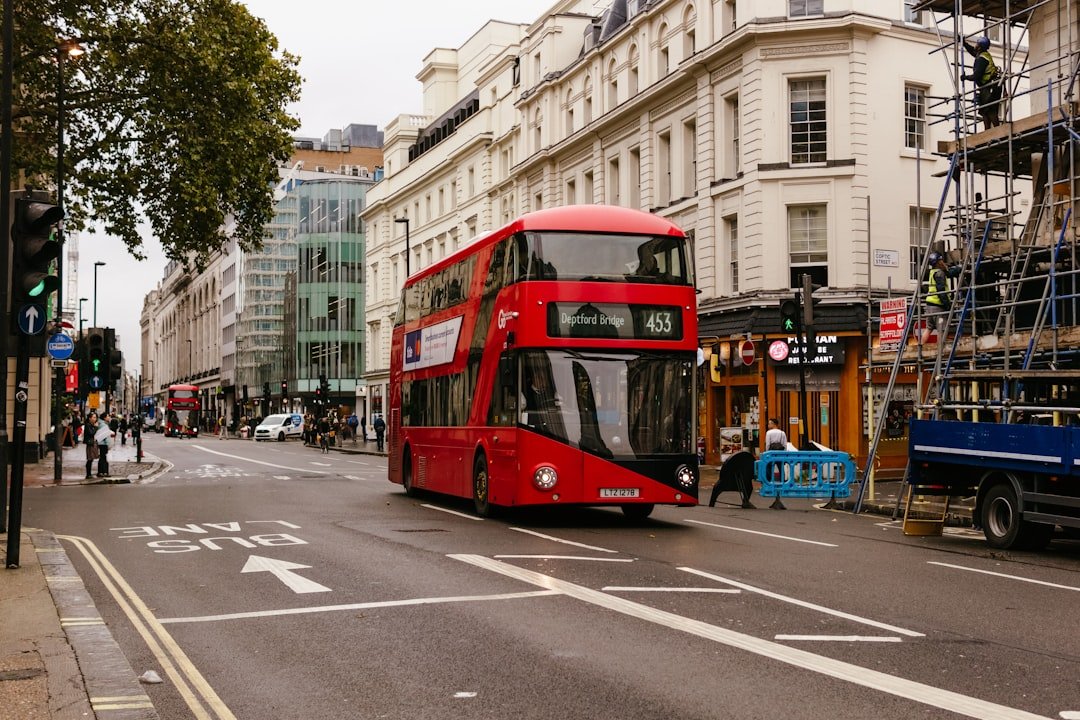
UK Economy Surprises with Growth in July Despite Global Challenges
The UK economy witnessed a growth of 0.4% in July, a development that took many by surprise. This rise comes amidst ongoing global financial uncertainty, primarily due to the conflict in the Middle East, notably Iran, which has been influencing global market dynamics. While many economists had forecast stagnant growth, the nation has shown resilience in the face of volatile international conditions.
The Office for National Statistics (ONS) recently released figures indicating this unexpected increase, which follows a 0.3% rise in June. Experts had previously adjusted expectations to reflect zero growth due to the mounting pressures of international incidents affecting economic stability.
Factors Influencing Economic Performance
Current global conditions present multiple challenges, with increasing global oil prices driving inflation concerns. The cost of borrowing for the UK government has also reached levels not seen in nearly two decades, complicating the economic landscape further.
Despite these pressures, the UK has demonstrated strong economic performance in the first half of 2026, outpacing other G7 countries. As tensions and uncertainties continue, the government faces decisions regarding fiscal policies, potentially involving tax changes or spending adjustments in the upcoming budget.
Implications for Future Economic Policy
With John Healey, the Chancellor of the Exchequer, preparing to present a new budget on October 28, these economic indicators will likely influence fiscal strategy moving forward. The challenges posed by the Iranian conflict and its ripple effects on international markets will require careful consideration of economic policies to maintain growth momentum while managing inflation and borrowing costs.
While the GDP growth in July is promising, it remains essential for the government to navigate these turbulent times carefully. The balance between economic growth, inflation control, and fiscal responsibility will be pivotal in shaping the UK’s economic strategy in the months ahead.
Photo by Igor Sporynin on Unsplash