News Editor

Political Clamor Hits New Heights as TMC Pressures for CEC Ouster
In an unfolding political drama, Trinamool Congress (TMC) leader Sagarika Ghose has recently called for the resignation of Chief Election Commissioner (CEC) Gyanesh Kumar. Ghose’s demand has introduced fresh tension into the already charged political atmosphere as her insistence echoes across political corridors.
Ghose cited concerns over Kumar’s handling of electoral responsibilities and alleged biases as primary reasons for the demand. Her vocal criticism aims to address what she perceives as potential undermining of democratic processes under Kumar’s leadership. TMC’s standpoint aligns with the larger opposition sentiments, expressing dissatisfaction regarding the current electoral oversight.
Challenges Facing Gyanesh Kumar
The call from Ghose follows a series of criticisms directed at Kumar regarding his role in recent elections. Opposition parties have expressed concerns over transparency and fairness, raising questions about his ability to remain impartial. These criticisms suggest a larger debate about electoral integrity and administrative accountability in India, urging a reevaluation of Kumar’s position.
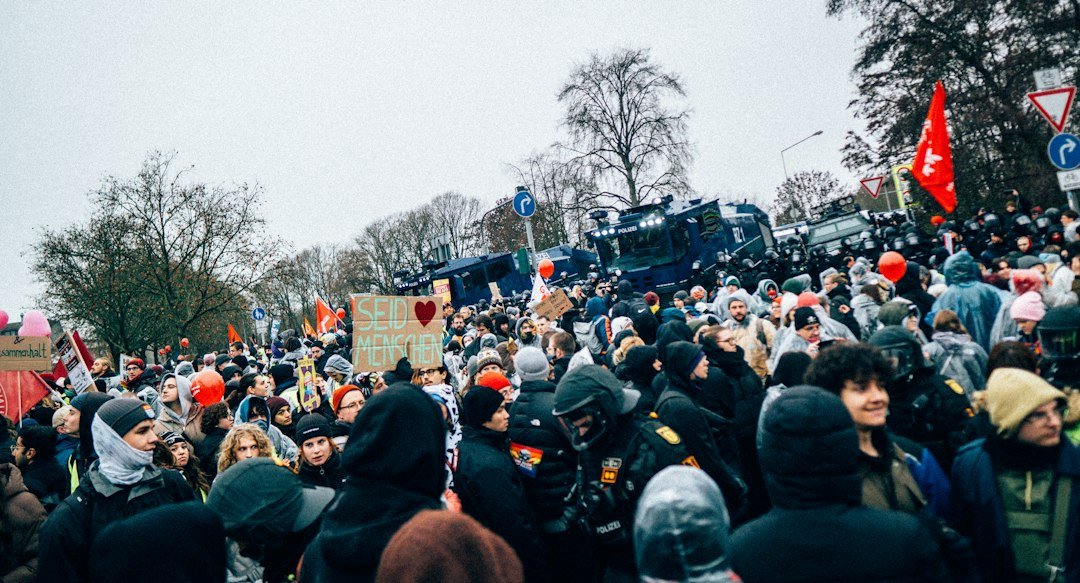
Concurrently, the political landscape is further stirred by marches and protests organized by various groups, including the India Bloc’s mass rally at Ramlila Maidan. These movements demand electoral integrity and reflect widespread unease over policy and governance undercurrent themes.
The Road Ahead
This controversy is likely to prompt a broader discussion on the role and appointment processes of electoral officers in India. The demand for Kumar’s resignation can set a precedent, influencing future electoral governance. Yet, it remains to be seen how the government and various political entities will respond to these pressures.
For the TMC, Ghose’s outspoken stance may galvanize supporters and perhaps draw in those concerned about election transparency. As the call for Kumar’s removal circulates, the coming weeks may witness intensified political actions and debates. Observers will be keen to see how this evolving situation impacts the prospective electoral reforms and broader political dynamics.