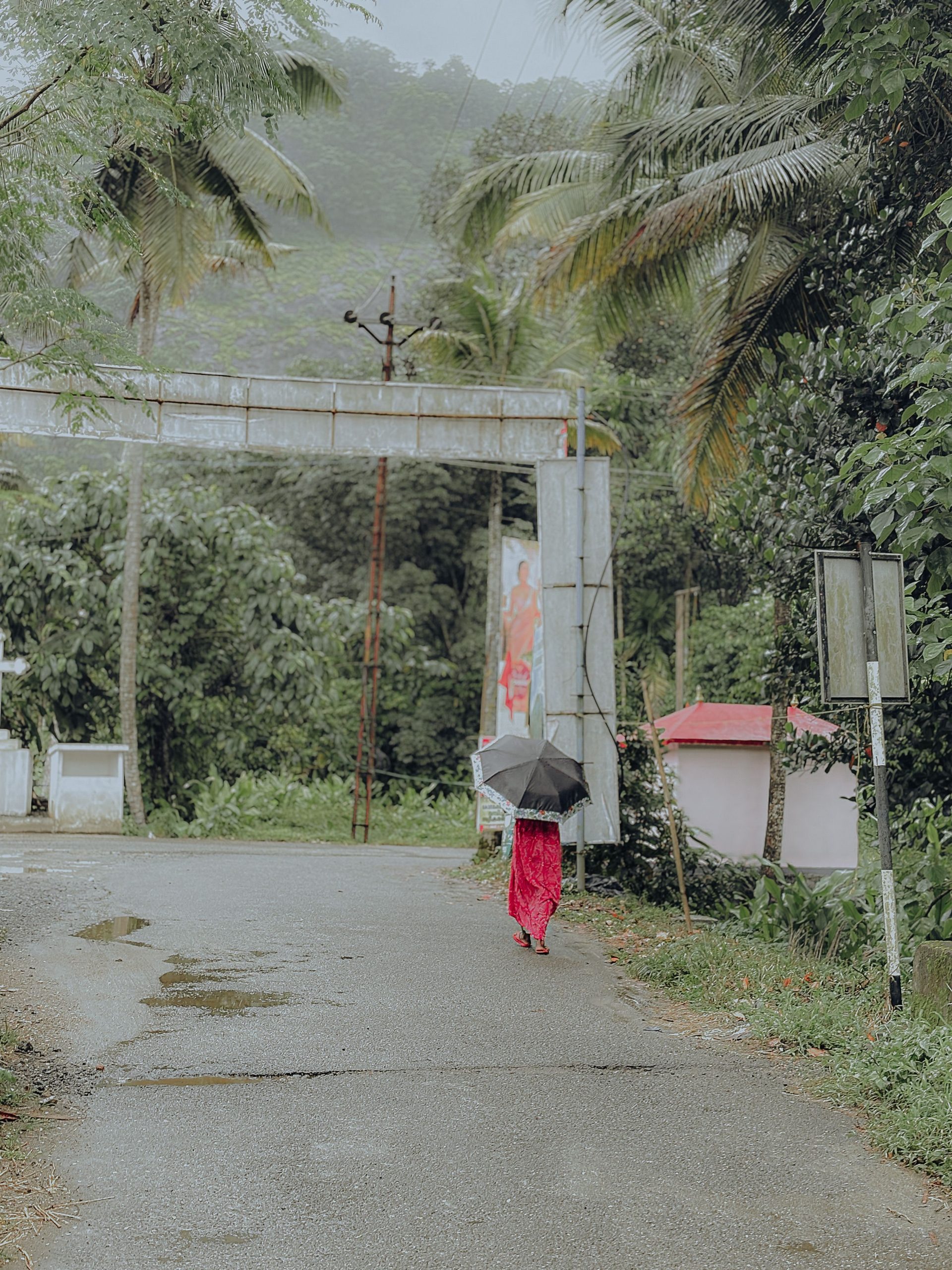
Nestled within the arid expanses of Rajasthan, approximately 230 miles west of Delhi, the town of Ladnun is often overlooked by travelers. Its narrow streets, pristine whitewashed temples, and relaxed ambiance starkly contrast with the hustle and bustle of India’s metropolitan centers.
This summer, however, Ladnun has emerged as an unexpected hub for those seeking to delve into one of the world’s ancient philosophies.
For over three centuries, Ladnun has served as the spiritual heart of the Terapanth order of Jainism. This reformist sect is recognized for its strict monastic traditions and its focus on principles of nonviolence, self-restraint, and spiritual exploration. Last month, these traditions were the backdrop for an unusual gathering of nearly three dozen students, scholars, and faculty members from eight different countries, who embarked on a three-week immersive experience into Jainism.
The program, which kicked off on July 20 and is set to conclude on July 7, is a collaboration among Florida International University, California State University Long Beach, the Jain Education and Research Foundation (JERF), Jain Visva Bharati Institute, and California-based philanthropist Dr. Jasvant Modi. His support has been instrumental in making this initiative a reality.
Rather than merely addressing Jainism as a theoretical subject confined to textbooks, the organizers have crafted a program that encourages participants to engage with the philosophy through practical daily applications.
Mornings began with meditation sessions, followed by lectures on Jain philosophy, the ancient Prakrit language, and core principles such as “Ahimsa” (nonviolence), “Anekantavada” (the importance of multiple perspectives), and “Aparigraha” (non-attachment). Participants also interacted with monks and nuns, observed their disciplined lives, and experienced a lifestyle centered on simplicity and compassion.
“It has been a very eventful week, and it has been a tremendous experience,” said Anne Vallely, a professor at the University of Ottawa and a noted scholar of Jainism in the West.
She described the rigorous schedule, stating, “Our lessons begin at 9:00 AM and can extend well into the night.”
The program is the result of months of collaboration between scholars in both India and the United States. Florida International University, which boasts the first endowed chairs in Jain Studies in the U.S., partnered closely with California State University Long Beach to develop the program’s curriculum. The Jain Education and Research Foundation facilitated academic and logistical aspects, while Jain Visva Bharati provided access to its extensive campus and monastic community for international participants.
At its core, this initiative aims to introduce Jain philosophy to a wider audience, particularly in a time when its fundamental teachings on nonviolence, environmental sustainability, and respect for various perspectives resonate more than ever.
Much of this vision is driven by Dr. Jasvant Modi, a physician and philanthropist whose long-standing support for Jain education has been pivotal in establishing academic programs across the United States. He has invested tens of millions of dollars into educational and religious initiatives both domestically and internationally, providing significant financial backing for this summer program.
“I was born in India in the Jain faith, and the principles of Ahimsa, compassion, and respect for all living beings have guided my entire life as a physician,” Modi shared with The American Bazaar.
He continued, “After my medical career, I realized philanthropy offers a way to heal on a larger scale, beyond treating individual patients. Supporting Jain education is crucial because America’s youth should be exposed to this ancient wisdom, which has been undervalued in today’s society.”
The program coincides with a significant milestone: the 300th anniversary of the Terapanth order’s founding, allowing participants to engage with commemorative events while exploring one of Jainism’s most impactful traditions.
Founded in the 18th century by Acharya Bhikshu, the Terapanth order is notable for its centralized leadership and disciplined monastic framework. Its monks and nuns travel widely to share Jain teachings, rather than staying confined to stationary monasteries.
Throughout the three-week program, participants found that learning reached beyond traditional classroom settings. Meals became opportunities for mindful eating, and moments of silence served as occasions for reflection.
Interactions with monks and nuns frequently extended beyond scheduled activities, enabling participants to grasp not only the philosophical tenets of Jainism but also their practical implications in daily life—ranging from dietary choices to conflict resolution and environmental stewardship.
For many students, this immersive experience turned abstract concepts into tangible realities. Carol Rodriguez, a participant with a Ph.D. in Jain Studies from the University of Florida, expressed her sentiments, saying, “I’m surrounded by scholars and have had the privilege of meeting with sadhvis and sadhus; it has been absolutely wonderful.”
Rodriguez, originally from Cuba, pursued her bachelor’s and master’s degrees in Jain Studies at Florida International University, where she translated parts of the 13th-century text “Lilavatisara” by Jain monk Jinaratnasuri.
The group’s international diversity further enriched the learning experience, fostering discussions that mirrored Jainism’s emphasis on dialogue and the acceptance of multiple perspectives over rigid certainty. Organizers aspire for this program to serve as a blueprint for future international collaborations in religious studies, philosophy, sustainability, and peace education.
Distinct from typical study abroad programs, the initiative in Ladnun encourages participants to become integral members of a living spiritual community. Learning unfolds as much through direct observation and daily practice as through formal lessons.
As the summer school approaches its conclusion, participants will return to their respective universities and communities armed with more than just lecture notes and academic credits; they will carry with them meaningful experiences of a philosophy that has persisted for millennia, along with memories of a small Rajasthan town where, for three weeks, Jainism was not merely an academic pursuit but a way of life.