NEW DELHI: Approximately 158 cases concerning alleged irregularities in recruitment examinations remain pending trial in courts nationwide, despite investigations being completed. Some of these cases date back over two decades, as reported by PTI.
The Central Bureau of Investigation (CBI), which has been examining these issues, has decided to petition high courts for the transfer of outstanding cases to fast-track courts established in several states. These courts are designed to handle matters related to the new anti-paper leak legislation.
The agency plans to assure the high courts of its commitment to provide dedicated special prosecutors and all necessary resources to expedite the trials.
Officials indicate that the protracted delays can be attributed to factors such as the transfer of investigating officers, prosecutors, and presiding judges.
Case Distribution Across States
In Delhi, there have been 25 alleged irregularity cases since 2000. This list includes notable instances such as the AIIMS PG recruitment examination of 2010-11, the Delhi University Medical and Dental Entrance Examination case of 2011, and irregularities associated with the Common Admission Test (CAT) in 2004. Additionally, there are issues regarding the Staff Selection Commission (SSC) recruitment of 2013 and various teachers’ recruitment cases.
Bihar has five pending cases, including three related to the alleged NEET 2024 paper leak, alongside irregularities in the PMT (Pre-Medical Test) examinations from 2003 and 2011.
In Himachal Pradesh, the 2022 constable recruitment case is among three cases awaited in trial. Likewise, Jammu and Kashmir also reports three pending instances related to irregularities in junior engineer and constable recruitments.
Other states are similarly affected; Jharkhand has five cases waiting for trial, Karnataka has five, Maharashtra includes three pending cases, two of which are linked to the NEET 2024, while Rajasthan has eight. Tamil Nadu has 14 pending cases, and both West Bengal and Uttar Pradesh have 10 cases each.
New Legislation and Its Implications
The recent passing of the Public Examinations (Prevention of Unfair Means) Amendment Act, 2026, by Parliament, now requires every state and Union territory to appoint a sessions court as a special fast-track court in consultation with the chief justice of the relevant high court.
This new law mandates that these fast-track courts operate on a day-to-day basis without unwarranted adjournments, ensuring trials are concluded within three months of the filing of the charge sheet. It also enables the transfer of cases pending in other courts to these designated fast-track courts, which are expected to resolve them within three months of the transfer.
Each state and Union territory will also assign dedicated special public prosecutors to manage representation in these cases.
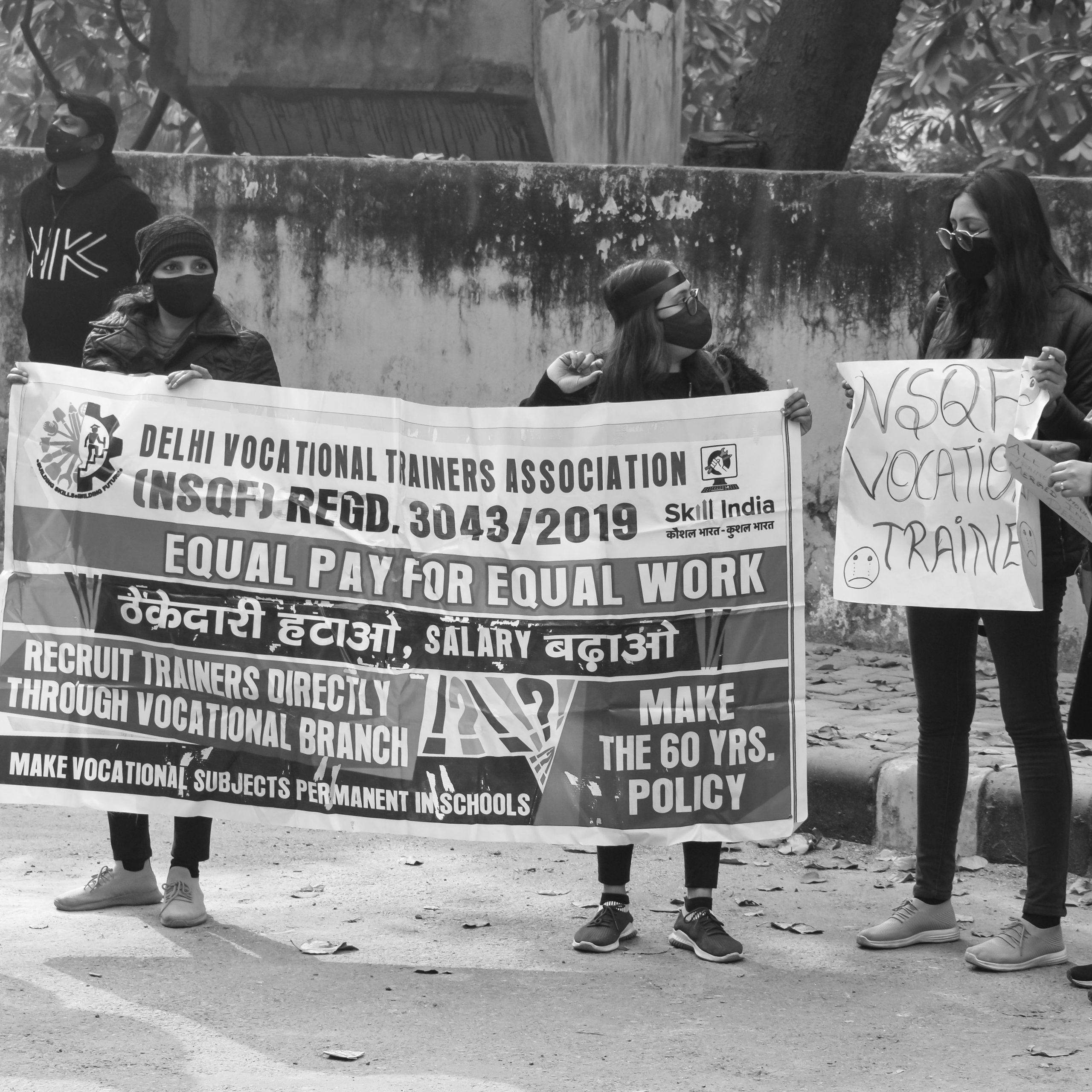
The legislation came in response to recent student protests at Delhi’s Jantar Mantar, culminating in the resignation of then Union education minister Dharmendra Pradhan over the NEET (UG) paper leak in May. Protesters had demanded broader reforms in the country’s examination system, prompting the government to create a high-powered task force under the leadership of Nandan Nilekani, co-founder of Infosys, to propose necessary reforms.