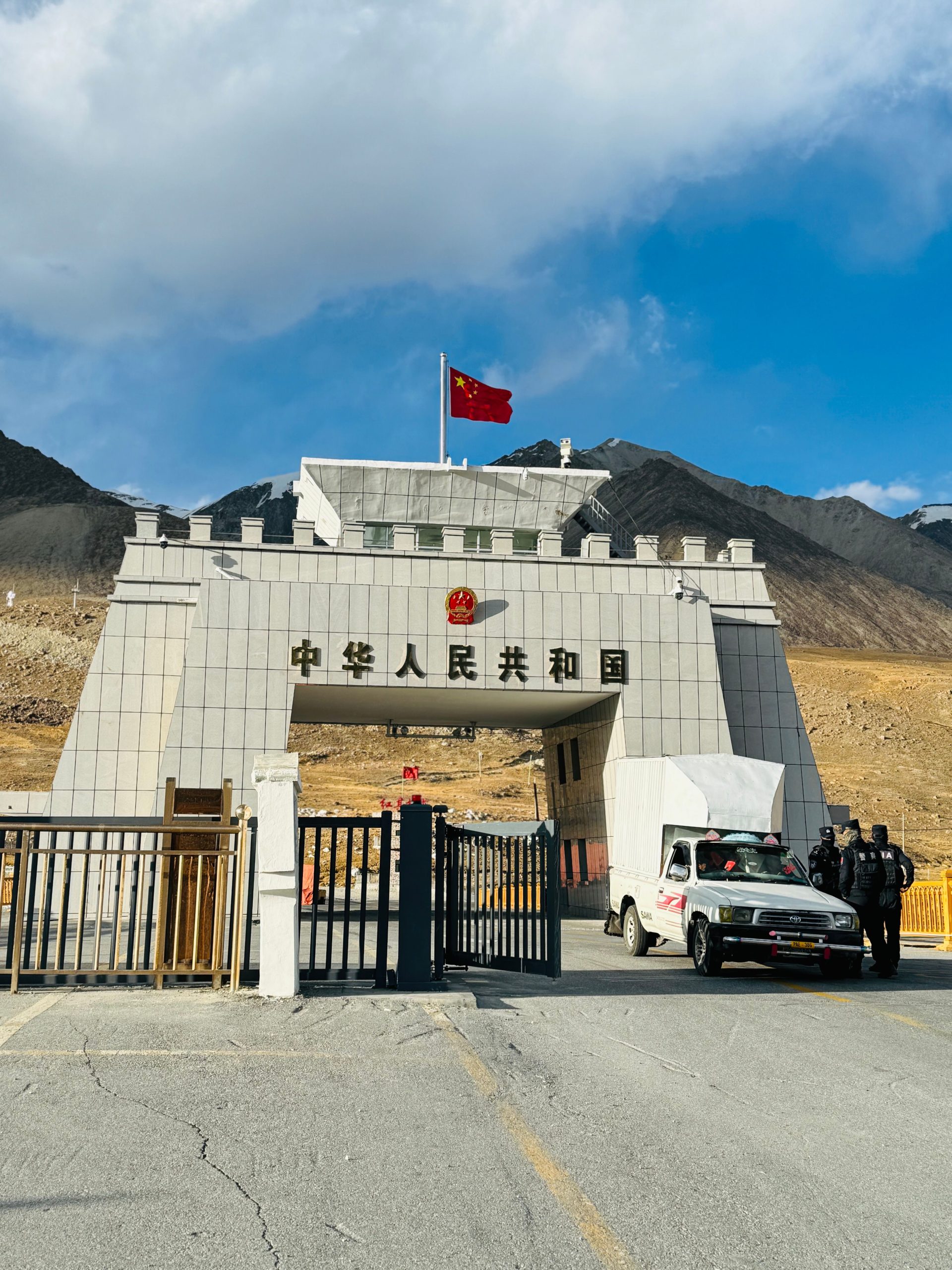
SHIMLA/PITHORAGARH: Trade between India and China has recommenced through two vital Himalayan routes, Lipulekh in Uttarakhand and Shipki La in Himachal Pradesh, marking a significant development after nearly six years of closure due to the Covid-19 pandemic.
The first group of 16 traders, along with four support staff, traversed into Tibet from Lipulekh in Pithoragarh district, but notably, they did not bring any goods with them. This initial batch was limited by Chinese authorities to 20 individuals, citing infrastructural constraints at the Taklakot trading mart. The Chinese side requested detailed personal information in advance and emphasized prioritizing those who participated in the last trade season back in 2019.
In light of this, the local traders’ association selected participants whose goods had been stranded at Taklakot since the trade suspension in 2020. Ashish Joshi, Dharchula’s SDM and district trade officer, confirmed, “Priority was given to traders who had participated in the 2019 trading season and had left their goods at Taklakot.”
Simultaneously, in Himachal Pradesh, Revenue Minister Jagat Singh Negi sent off the first batch of 16 Indian traders toward Shipki village in Tibet, utilizing the 3,930-metre-high Shipki La Pass. This resumption of trade, which had been on hold since 2020 due to the pandemic, was initially set to restart on June 1; however, it faced delays over security issues and insufficient infrastructure.
The Shipki La route will remain operational until November 30, maintaining the traditional barter system. Indian traders are allowed to stay in Tibet for a maximum of 72 hours, with 53 traders cleared by the home department after thorough background checks.
Indian traders can export 36 categories of goods, such as dried fruits, spices, handicrafts, and herbs, while their Chinese counterparts are permitted to bring 20 categories, including pashmina, wool, yak hair, sheepskin, goatskin, and China clay. Officials noted that the total list comprises 72 categories of tradable goods for India and 30 for China.
Furthermore, Negi inaugurated the Chhuppan Trade Mart at Namgya village in Pooh subdivision, valued at Rs 1.7 crore, to enhance border trade. Addressing local traders’ requests to expand the tradable goods list, he stated that the proposal would be forwarded to Chief Minister Sukhvinder Singh Sukhu and the Ministry of External Affairs.
The reopening of these routes was originally planned for June 1 but faced postponements due to ongoing infrastructure and administrative preparations on both sides of the border.