News Editor
Vučić’s Strategic Move from Presidency to Prime Ministerial Candidacy
In a significant political development, Serbia’s President Aleksandar Vučić has resigned to contest the upcoming role of Prime Minister. This strategic shift comes as Serbia gears up for early parliamentary elections scheduled for October 25.
As per constitutional limitations, Vučić cannot pursue another term as President. His decision to transition into the prime ministerial race is anticipated to gauge his ongoing influence amid extensive public discontent.
Protests and Political Opposition
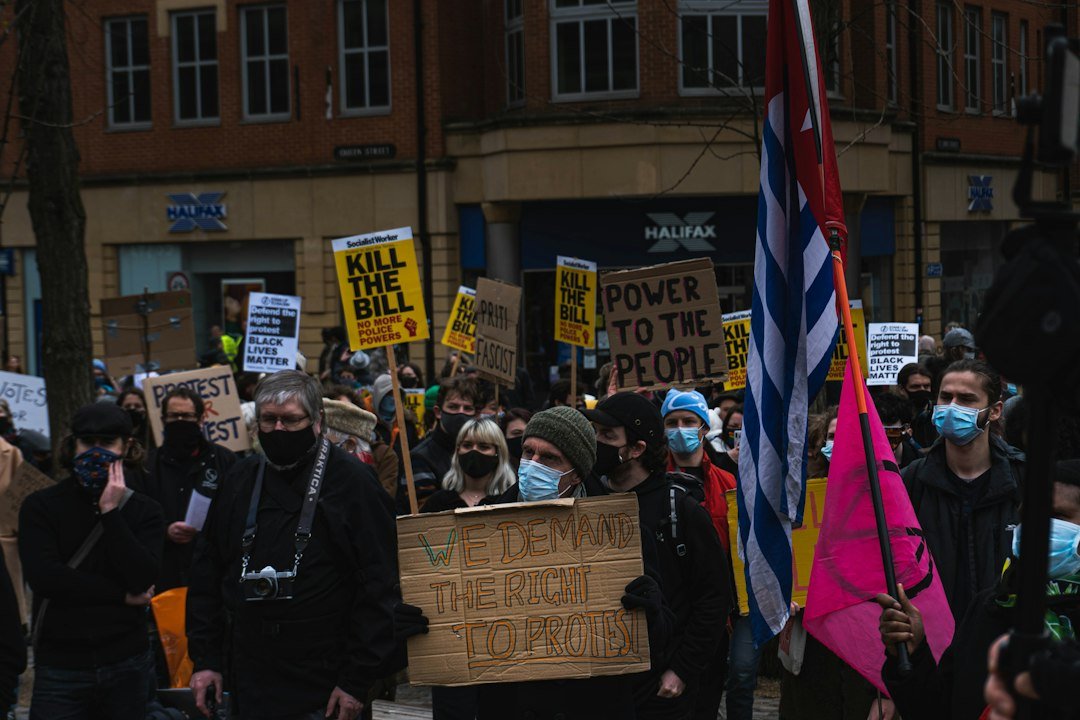
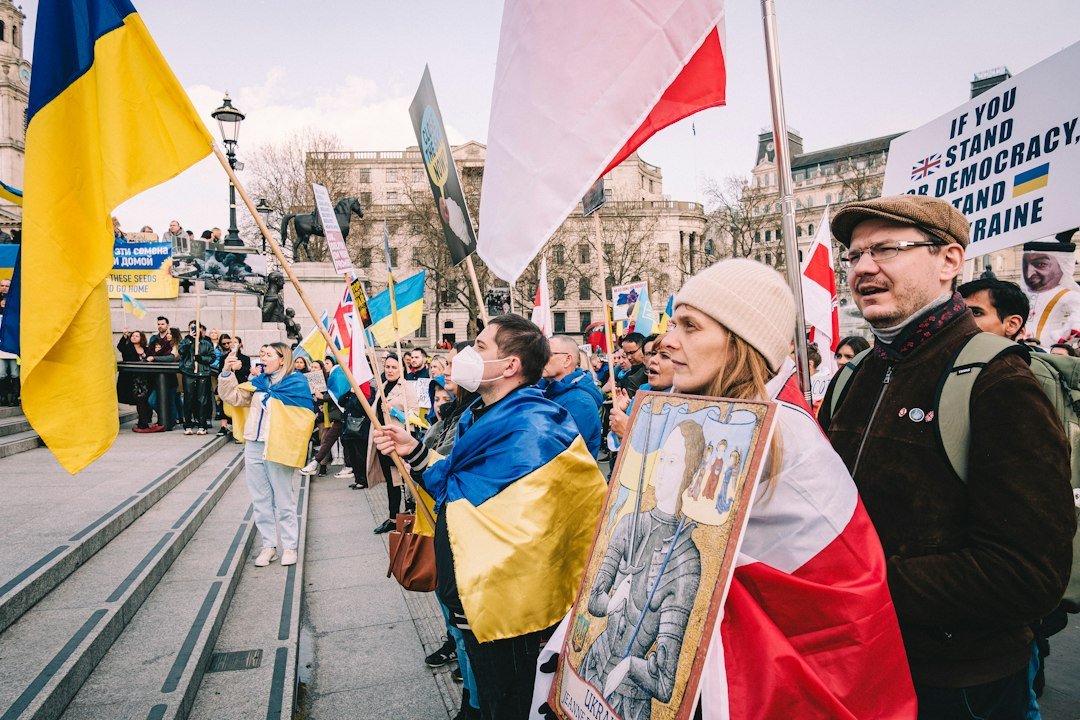
The elections follow nearly two years of protests against Vučić’s administration, sparked by a disastrous train station collapse in Novi Sad. The incident saw 16 fatalities and fueled demands for accountability, primarily voiced by university students who have formed a robust movement against Vučić’s regime.
These youth-led demonstrations have evolved into a formidable political challenge to the ruling party, known as the Serbian Progressive Party (SNS). Leading figures from various fields, including academia and sports, have joined forces to confront Vučić’s longstanding grip on power.
Campaign Strategies and Allegations
Vučić’s campaign has been marked by extensive travels across the country, engaging directly with citizens and promising infrastructural and economic benefits. His proactive engagement has drawn criticism, with allegations of exploiting state resources for political gain, a claim he continues to refute.
In response to his resignation, Ana Brnabić, a trusted ally and former prime minister, will act temporarily as President. This interim arrangement will hold until a new parliamentary setup, post-election, appoints a speaker tasked with electing a new Prime Minister and scheduling presidential elections.
Electoral Dynamics and Political Context
Serbia’s political landscape remains tense, with Vučić’s assertion of external influences allegedly seeking to destabilize the nation. His opponents, inclusive of students and several political alliances, remain steadfast, advocating for systemic change and transparency.
Serbia’s path towards European Union membership has been stunted under Vučić’s leadership, attributed to perceived democratic shortcomings and his stance amidst geopolitical tensions like the Ukraine conflict.
The upcoming election not only serves as a litmus test for Vučić’s political strategy but also reflects the democratic undercurrents shaping Serbia’s future political and international standing.