News Editor
US Primaries Reflect Growing Challenges for Both Parties
The recent primary season in the United States has offered a snapshot into the evolving dynamics of both the Democratic and Republican parties, setting the stage for November’s pivotal midterm elections. Despite challenges on multiple fronts, both parties emerged with their picks, showcasing the internal strife and pressures they face ahead of the crucial races.
Significant Turnover in the House
This election cycle witnessed an exceptional turnover of lawmakers in the House of Representatives, with a notable 74 members choosing not to seek re-election—marking the highest exodus since the early 1990s. Various reasons from retirement to unsuccessful bids for higher offices contributed. Furthermore, incumbents running again faced increased uncertainty, with 11 losing their primary bids, signaling potential shifts in voter sentiments.
Progressive Movements Gain Ground
The Democratic primary races have underlined a significant shift to the left within the party, with progressive and socialist candidates making substantial inroads. Various incumbents were dethroned by challengers associated with the Democratic Socialists of America. These newcomers are well-placed to secure seats in the Democratic strongholds during the midterms, indicating a potential ideological shift within the party.
Centrists Play a Critical Role
Despite the rise of leftist contenders, the decisive battlegrounds lie within more moderate districts labeled as toss-ups. Candidates supported by centrist groups such as the New Democrat Coalition and Blue Dog PACs are at the forefront, illustrating the critical balance sought by Democrats to win crucial seats. This dynamic reveals that while progressives are gaining traction in solidly Democratic areas, centrists are key to broader electoral success.
Challenges to Incumbents Reveal Fragile Consensus
The success of progressive candidates in certain primaries has sparked fresh debates within the Democratic Party on its future direction. However, the momentum wasn’t entirely overwhelming, as illustrated by Cori Bush’s failed attempt to unseat incumbent Wesley Bell, reflecting the limits of anti-incumbent fervor.
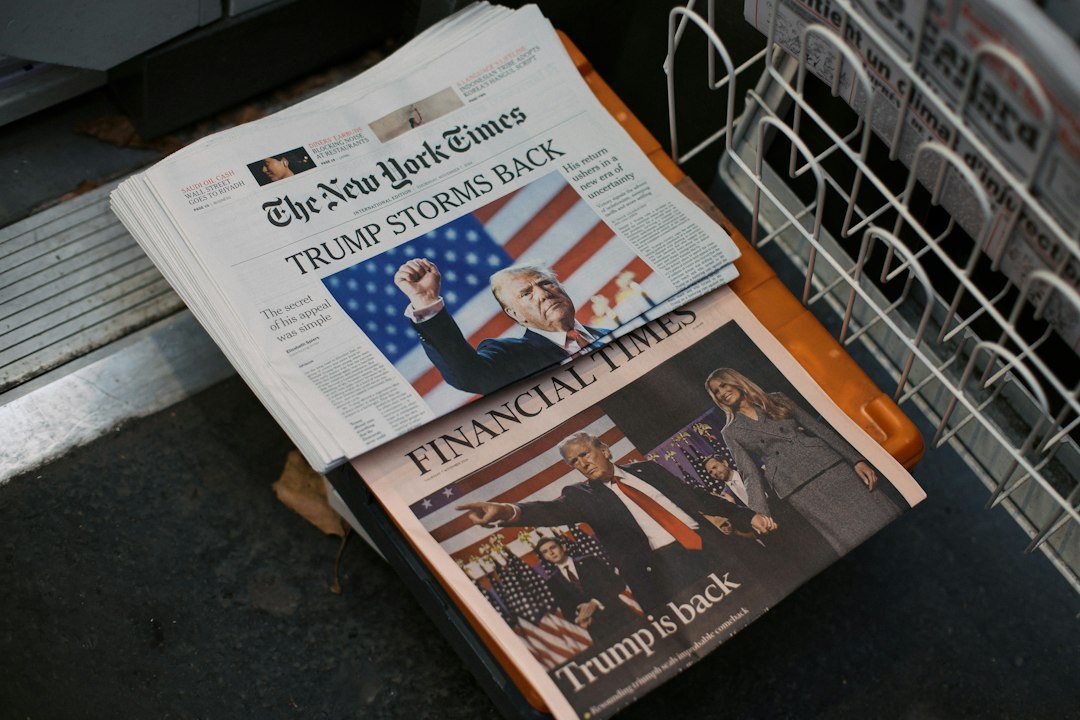
As the parties brace for the upcoming elections, both face distinct pressures: Democrats grapple with integrating progressive policies without alienating moderates, while Republicans continue to rally around Trump’s policies despite his lower approval ratings. How these dynamics play out in November will shape the political landscape significantly.
Photo by Joseph Chan on Unsplash