News Editor
Controversy Surrounds Former Met Detective’s Actions in Barbados
The death of Rebekah Arter in a Barbados hotel room has raised significant questions about the conduct of her husband, former Metropolitan Police detective Warren Arter, and the subsequent investigation by authorities. Rebekah’s untimely demise, shrouded in alleged neglect by Barbadian officials, remains unresolved, while her husband’s actions before and after her death are under scrutiny.
Warren Arter’s relationship with Rebekah began under dubious circumstances and evolved into a decade-long pattern of abuse, as he wielded coercive control and inflicted harm. At the time of her passing, Rebekah, who had initially contacted the Met to report domestic violence by a former partner, found herself entangled in a coercive relationship with the very officer assigned to her case.
Skepticism and Lapses in Investigation
Family members, dissatisfied with the official narrative, assert that Rebekah’s fate remains cloaked in mystery as they criticize the Metropolitan Police for their inaction during the investigation in Barbados. Attempts by Rebekah’s family to secure further inquiries were met with reluctance from the Met, as no formal allegations of criminality had emerged from Barbadian authorities.
The event, marred by inconsistencies, included Arter’s contradictory statements regarding Rebekah’s death. Hotel staff on the scene reported conflicting accounts of Rebekah’s final moments, with Arter suggesting various scenarios, including a fatal fall or sudden choking. Each version contradicted physical evidence, which was poorly preserved, leading to further questions about procedural lapses.
Revealing Insights from a Troubled Investigation
The situation took a darker turn following Arter’s erratic behaviors and the subsequent suicide in HMP Wandsworth. His death prevented further questioning, leaving numerous questions about other potential victims unanswered. Despite being investigated for misconduct towards eight women, Arter avoided conviction and continued to receive his salary until his dismissal for drug-related offenses.
Through confidential interviews with hotel staff, discrepancies in Arter’s narrative were uncovered, showcasing suspicious behaviors and leading many, including hotel security, to question the integrity of his accounts. This paints a troubling picture of missteps in both the initial response by local authorities and the reluctance of UK agencies to pursue leads overseas.
Calls for Justice and Systemic Changes
The revelations have sparked demand for rigorous investigative procedures, especially where international jurisdiction might impede justice. This case highlights the critical need for robust, cross-border collaboration to ensure accountability and protect victims of domestic violence globally.
The investigative shortcomings voiced by Rebekah’s family serve as a somber reminder of the need to bolster protections for vulnerable persons and ensure comprehensive, unbiased investigations in all jurisdictions. As these efforts move forward, the authenticity of Arter’s accounts and the failures in investigating Rebekah’s death underscore an urgent call for systemic overhaul and transparency.
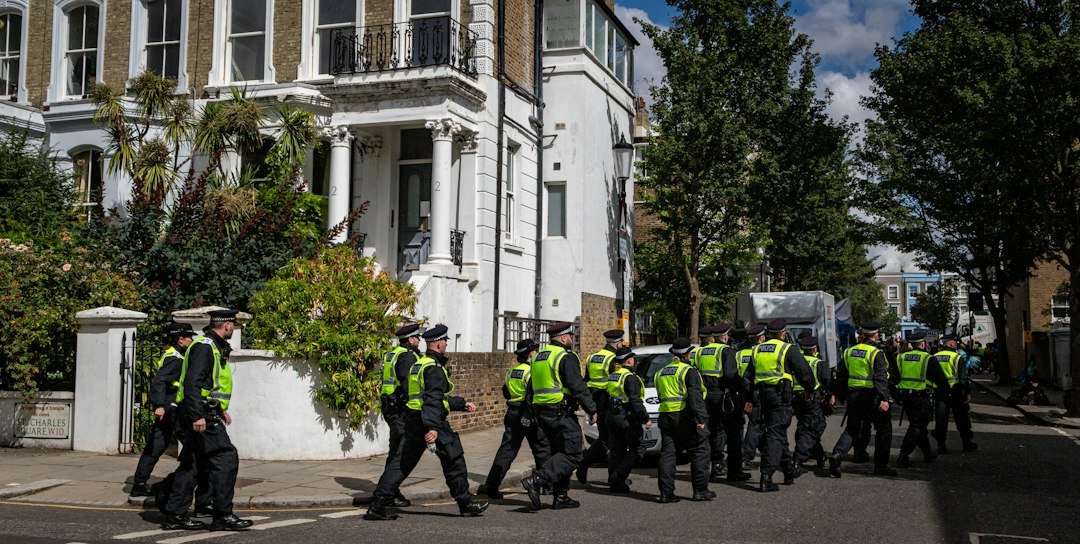
Photo by Bernd 📷 Dittrich on Unsplash