News Editor
Controversy Erupts Over Kharge’s Remarks on PM Modi
The Indian political landscape saw another wave of controversy as the Bharatiya Janata Party (BJP) took legal action against senior Congress leader Mallikarjun Kharge. This came in response to comments Kharge made regarding Prime Minister Narendra Modi during a recent public gathering in Karnataka.
The remarks in question were made during a political rally where Kharge allegedly used derogatory language directed at the Prime Minister. This prompted the BJP to file a formal complaint with the police, highlighting the use of what they consider unacceptable language that targets a democratically elected leader of the nation.
BJP’s Response to the Remarks
The BJP was quick to react to Kharge’s statements, viewing them as an attack not only on the Prime Minister but on the institution of democracy itself. BJP leaders have demanded that responsible political discourse be maintained, especially by senior politicians, to uphold decorum in public discussions.
Political Reactions and Implications
This incident has unsurprisingly garnered significant attention across the political spectrum, with reactions pouring in from various quarters. Supporters of the BJP have condemned the remarks, while some voices within the Congress have defended Kharge, suggesting that his words were misinterpreted amid heightened political tensions.
While the complaint proceeds through legal channels, the incident underscores an ongoing trend where political discourse in India often turns sharply personal, especially in the run-up to crucial elections. Such developments may influence voter perception and party dynamics as election dynamics heat up in the region.
Broader Impact on Political Discourse
This episode serves as a reminder of the contentious nature of Indian politics, where leaders across party lines frequently engage in verbal exchanges that sometimes cross boundaries of decorum. The increasing frequency of such incidents raises questions about the standards of political communication and the impact on public trust in political institutions.
As the process unfolds, the incident remains in the spotlight, highlighting the need for more constructive and civil political engagement. Whether this will spur change remains uncertain, but it undeniably sets the stage for discussions on how leaders convey their criticism within democratic frameworks.
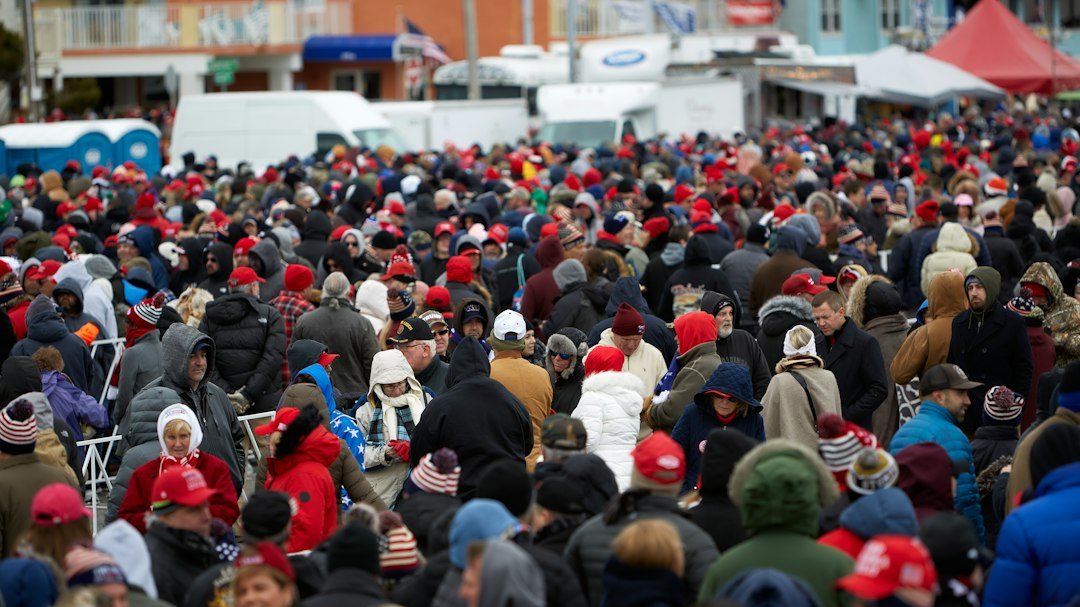
Photo by David Todd McCarty on Unsplash