News Editor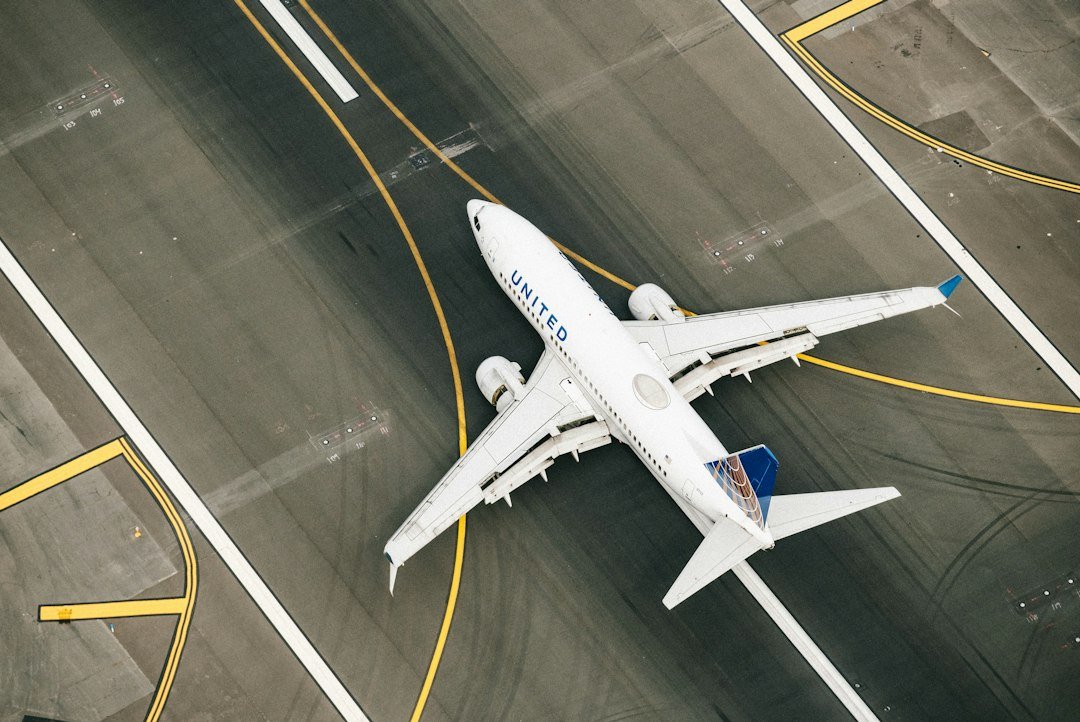
Renewed Discussions on Cockpit Video Recorders After FlyDubai Incident
A dramatic incident aboard a FlyDubai aircraft has reignited discussions about whether commercial planes should be equipped with video recording devices in the cockpit. This debate arises after a pilot, in an unexpected outburst, attacked a colleague mid-flight.
Currently, commercial aircraft are equipped with audio and flight data recorders, known to capture pilots’ voices as well as various system interactions. However, there hasn’t been a regulation mandating video recording, which could fill gaps in safety investigations where audio and data alone don’t suffice.
During this recent FlyDubai flight, the plane experienced a rapid descent of over 14,000 feet in a brief period. Only the swift action of passengers and crew, who managed to subdue the errant pilot, diverted a potential catastrophe. Israeli Prime Minister Benjamin Netanyahu acknowledged their decisive intervention in stabilizing the aircraft.
The U.S. National Transportation Safety Board (NTSB) has previously advocated for the addition of cockpit video recorders as a means to enhance existing safety measures. Despite these calls, concerns from pilots’ unions around privacy and data misuse continue to pose significant hurdles. The debate returned to the fore last year after a deadly Air India crash, where video evidence could have been pivotal in understanding cockpit decisions.
Notably, a 2025 panel from the Federal Aviation Administration (FAA) and industry stakeholders advised against compulsory video recorder installation, citing privacy concerns. The FAA is still processing these recommendations, with no official policy change announced yet.
The importance of visual documentation was underscored by historical accidents, such as the 1999 EgyptAir crash. During that disaster, voice and data recordings provided somewhat limited insight, leaving room for speculation about the actions and intents of the flight crew.
As technology progresses, some efforts have aimed at using artificial intelligence to analyze cockpit audio in reconstructive investigations. Yet, strict privacy laws govern the release of such sensitive recordings. The NTSB has emphasized its commitment to adhering to these regulations, despite the potential benefits of broader access to audio or video recordings.
With ongoing technological advancements and incidents that reveal gaps in current safety measures, the call for cockpit video recorders will likely persist. The aviation industry continues to balance advancing safety technologies with addressing the privacy and ethical implications they entail.
Photo by Chris Leipelt on Unsplash