News Editor
Shake-Up in U.S. Military Leadership
The Pentagon is poised for a major overhaul as Defense Secretary Pete Hegseth announces a substantial reduction in its upper echelon. The move will see a 20% cut in general and admiral positions by the start of 2027, a decision labeled as an overdue step towards accountability and efficiency within the armed forces.
Strategic Transformations and New Commands
Amidst ongoing global tensions, including prolonged conflicts with Iran, Hegseth declared the formation of a new high-command to spearhead autonomous and robotic capabilities. This initiative marks what he describes as a rapid evolution during peacetime, aiming to integrate advanced technology into military operations.
The Context of Current Military Engagements
The backdrop of these announcements is a period of intense military activity for the U.S., engaged deeply in geopolitical conflicts, including a standoff with Iran over the strategic Strait of Hormuz. American forces are actively using advanced missile defense against persistent attacks, highlighting the need for agile and technologically adept military strategies.
Internal Criticisms and Congressional Scrutiny
While Hegseth’s directives aim for reform, they’ve sparked debate and criticism, particularly concerning a perceived purge of senior leadership. Critics argue this could destabilize military command structures, a concern echoed by legislators like Senator Mark Kelly. Meanwhile, oversight committees seek clarity on the rationale behind these cuts.
Impact on Military and Defense Policies
These changes come alongside directives for the National Guard and active forces regarding shifts in leadership roles. The legislative framework mandates a specific number of officer positions, yet current plans suggest leaving some roles vacant, impacting future military operation dynamics. The broader implications for defense contractors and arsenals are considerable, necessitating accelerated production to meet strategic demands.
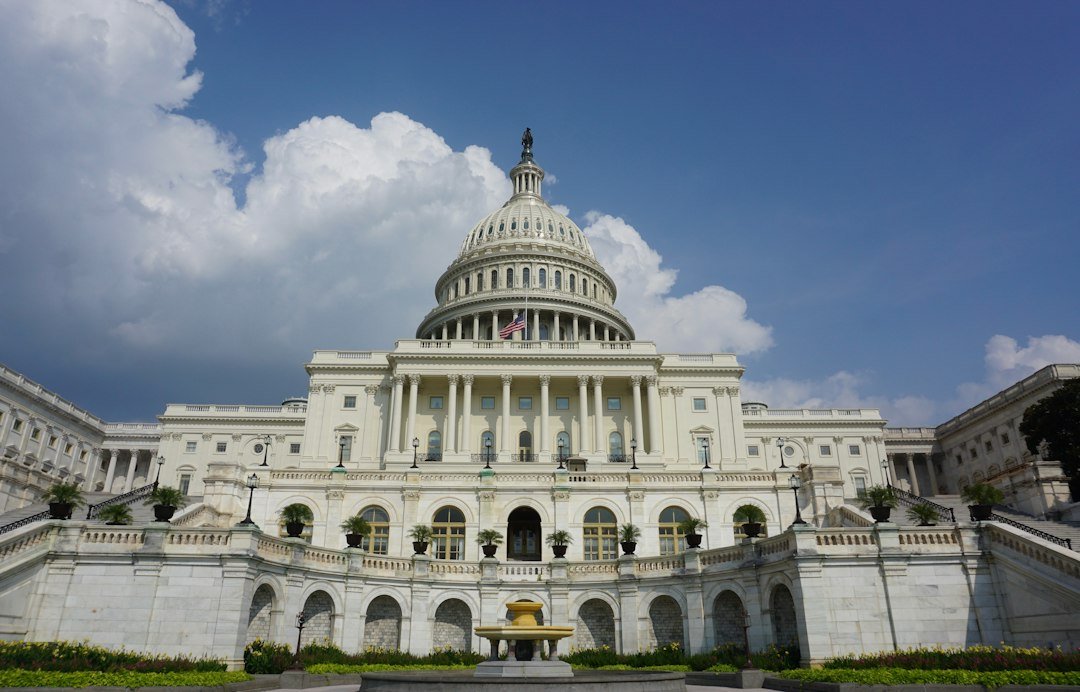
Photo by Connor Gan on Unsplash