News Editor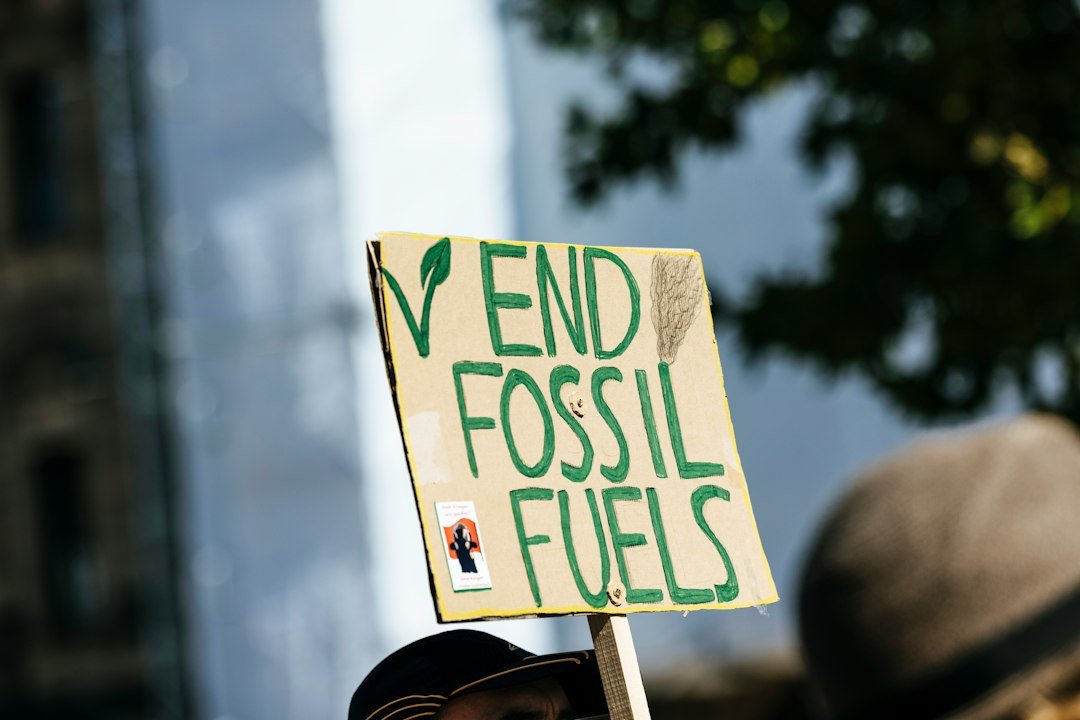
Spain’s Struggle with Escalating Climate Change Issues
In the serene pastures of the Gredos mountains near Madrid, farmer Juan Ángel Izquierdo tends to his cows, amidst the ominous presence of charred trees. A recent wildfire ravaged this land, taking a devastating toll on his herd and resources. Such fires aren’t new, but their frequency spurred by rising temperatures and prolonged droughts are transforming them into chronic nightmares for local farmers like Izquierdo.
The summer blaze, unparalleled in Spain’s history, consumed approximately 200,000 acres, effectively demolishing two-thirds of Izquierdo’s farmland and forcing him to downsize his livestock dramatically. “Summers now come with a fear of fire,” Izquierdo laments as he recalls losing not just cows, but the stockpiles of hay crucial for winter feeding.
Impacts of Climate Change
Spain has become a hotspot for extreme climate-induced events like wildfires, a phenomenon supported by findings from the World Weather Attribution group. Their research highlights how climate change has significantly increased the likelihood of such devastating fires, primarily driven by escalating greenhouse gases.
The nation’s Prime Minister, Pedro Sánchez, echoed these concerns, labeling the situation as a dire environmental emergency. Visits to wildfire-affected areas reveal not only the human cost, with lives lost, but also the socio-economic setbacks hitting agricultural sectors hard. This year alone, fires have obliterated about 300,000 hectares nationwide, marking a significant rise in such disasters over recent decades.
Economic Repercussions
Agroseguro, an organization dealing with farming insurance, reported substantial losses in destroyed crops, further threatening a sector that contributes richly to Spain’s economy. While local governments, such as those in Castilla y León, attempt to offset these losses with compensation packages, many farmers find the relief barely sufficient to cover the extensive damage.
Impact on Tourism
Spain’s warm climate, historically an advantage for attracting tourists, now presents a double-edged sword. With nearly 100 million tourists expected, it remains a top global destination, yet excessive heat conditions deter visitors, revealing an unexpected side effect of climate change on tourism dynamics.
Research from Rey Juan Carlos University suggests that heatwaves correlate with reduced overnight stays in tourist hubs, hinting at long-term implications for one of Spain’s vital economic engines. As climate events continue to escalate, adapting to these challenges remains imperative to safeguarding both its agricultural and tourism sectors.
Photo by Markus Spiske on Unsplash